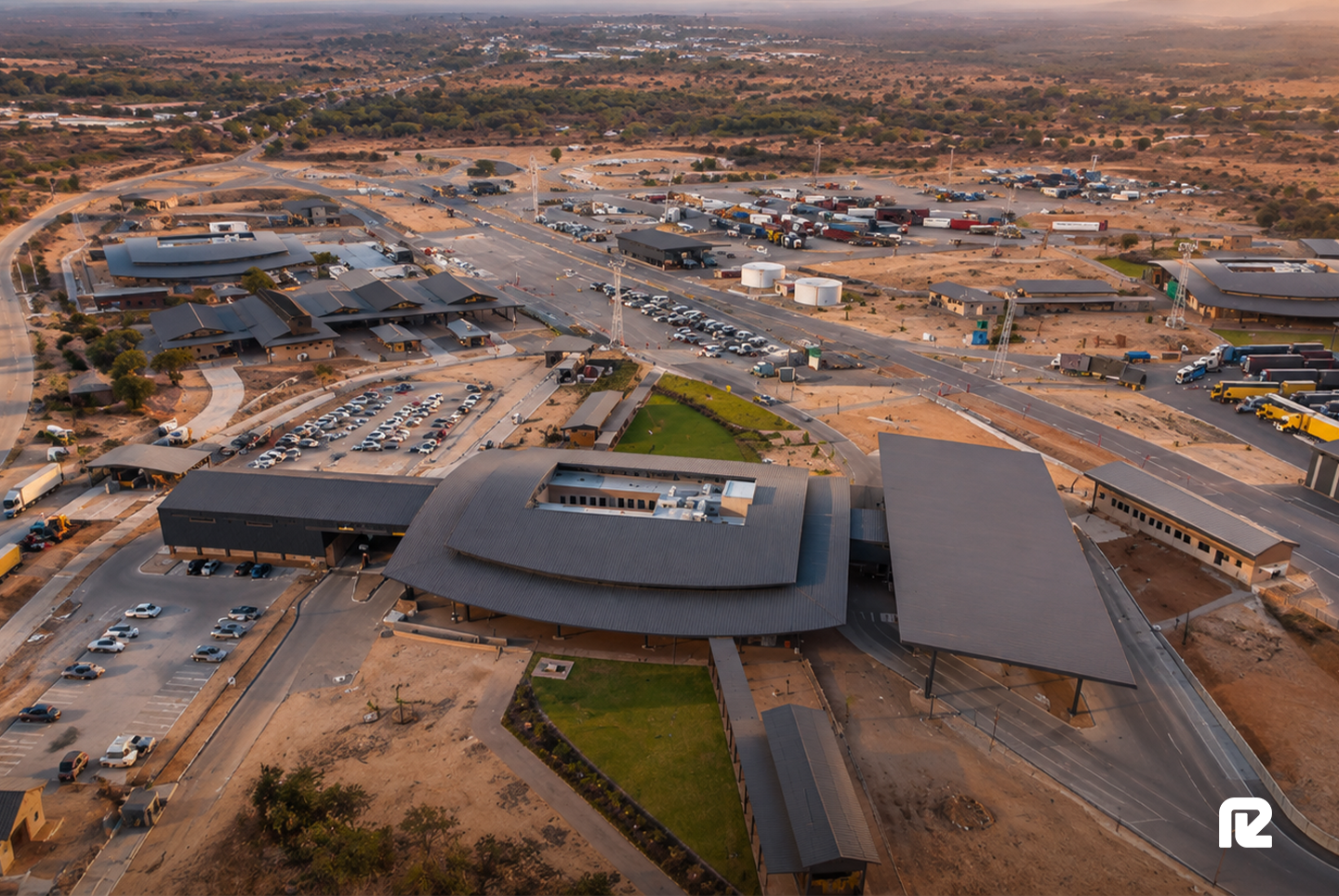
Beitbridge: Southern Africa's Busiest Border Post
September 1, 2026
Read the story
Please submit your details below and one of our logistics experts will reach out within one business day. Thank you.
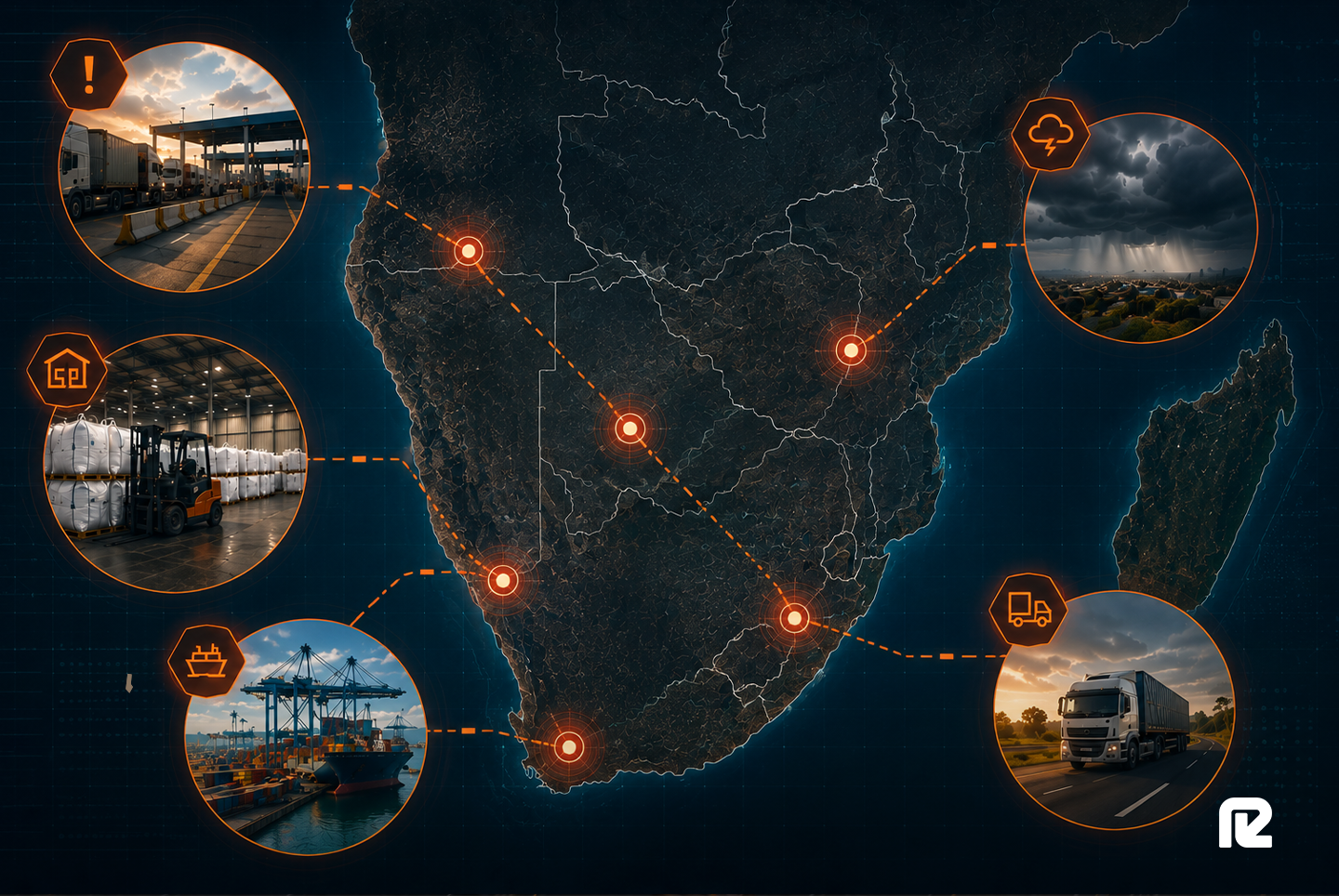

Logistics delays cost money in ways that are easy to measure, and also in ways that aren't. The direct costs, demurrage charges, expediting fees, and contractual penalties show up on invoices. The indirect ones, the erosion of customer confidence, the defensive inventory decisions, the lead times padded to absorb uncertainty, accumulate quietly until they become a structural drag on the business.
Understanding what causes logistics delays and what can be done about them is worth the effort for any business moving goods across borders. This article covers the main causes, their impact, and how to reduce exposure to them.
A logistics delay is any disruption that causes a shipment to arrive later than planned. That definition is simple enough, but the causes behind it range from the entirely predictable to the completely unexpected.
A delay might be a container sitting at a congested port waiting for a berth. It might be a truck held at a border crossing while paperwork is checked. It might be a warehouse that can't process inbound shipments quickly enough because it's understaffed. What these examples have in common is that they add time and cost to supply chains and cause plans to be disrupted.
A late shipment has a knock-on effect on the whole supply chain. When one leg overruns, the effects travel downstream. A production line waiting on components stops producing. A retailer with empty shelves loses sales. A buyer who was promised a delivery date has to explain to their own customer why it hasn't arrived.
The costs are both direct and indirect. Storage and demurrage charges, expediting fees, and the premium paid to recover lost time are among the direct effects.
Indirect costs can be harder to measure, but can be just as damaging, as they can impact customer satisfaction and lead to the loss of contracts, as well as cause operational disruption in managing a crisis.
Severe weather is one of the few causes of delay that no amount of planning fully eliminates. Storms, flooding, and extreme heat all affect road, rail, and port operations. In Sub-Saharan Africa, seasonal rains can make certain routes impassable for days at a time, affecting both transit times and the condition of goods in transit.
The practical response is visibility and flexibility: knowing when weather events are likely, having alternative routing options ready, and building realistic contingency into schedules during high-risk periods.
Road freight dominates across most of Sub-Saharan Africa's trade corridors, which means road conditions have a direct bearing on transit times. Traffic congestion around major cities, road damage from heavy vehicle use, and unplanned closures all extend journey times in ways that are difficult to predict and recover from.
Good route planning and real-time traffic monitoring help, but on many corridors, the infrastructure constraints are structural rather than situational. That's a reality that logistics operators and their clients need to factor into expectations.
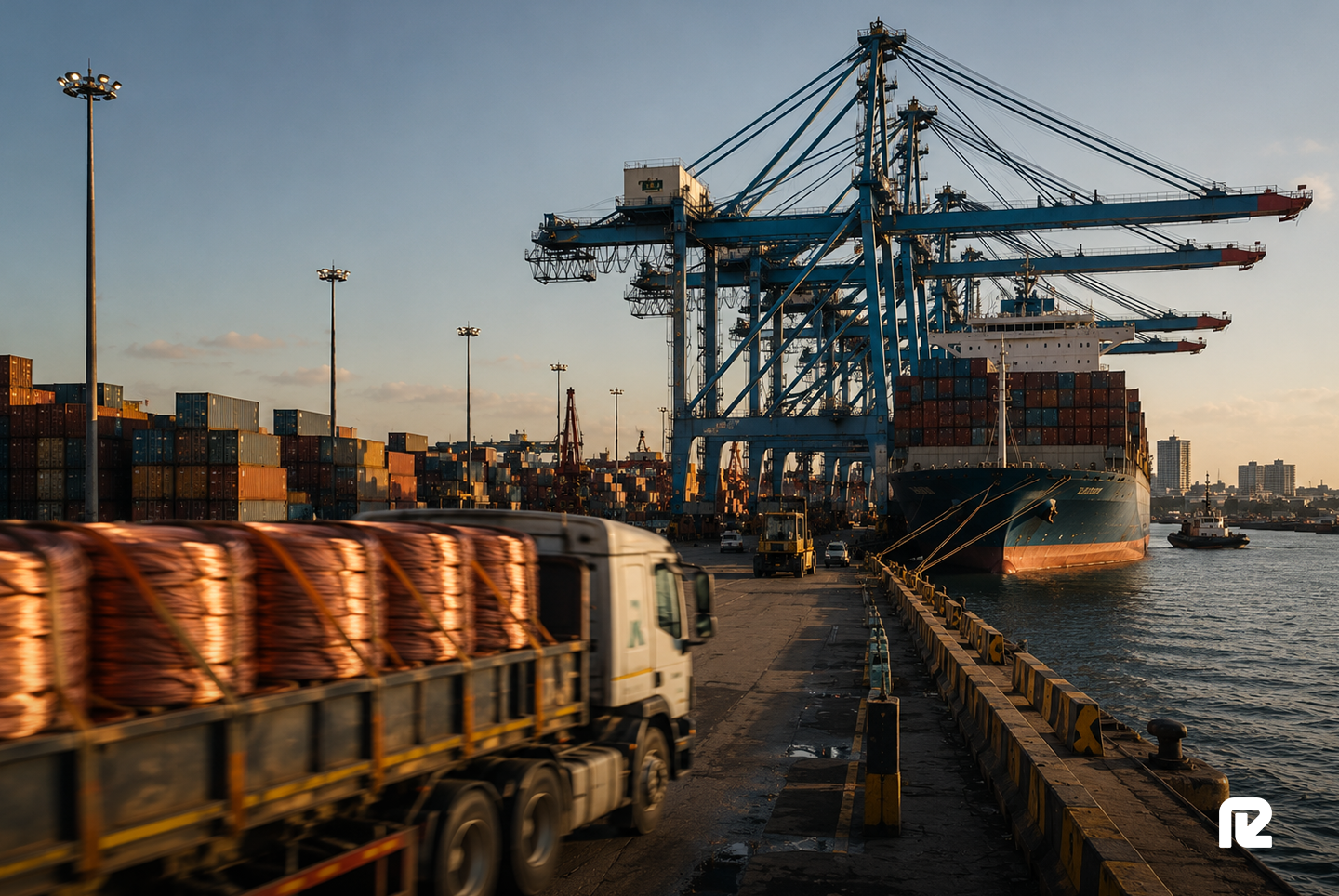
When a port gets congested, the effects spread quickly. Vessels queue offshore waiting for berths; containers pile up in terminals, and trucks arrive to collect cargo that isn't ready to move.
Each delay leads to the next, and the cost accumulates across every part of the supply chain.
Port congestion is one of the most significant sources of delay on major African trade corridors, particularly at high-volume ports where infrastructure capacity hasn't kept pace with trade growth.
Coordinating port entry slots, working with experienced port agents, and monitoring congestion levels in advance all reduce exposure, though they don't eliminate it.
Customs is where many cross-border shipments lose the most time. The causes vary: incomplete documentation, incorrect HS codes, valuation queries, missing permits, or simply high volumes overwhelming a border post's processing capacity.
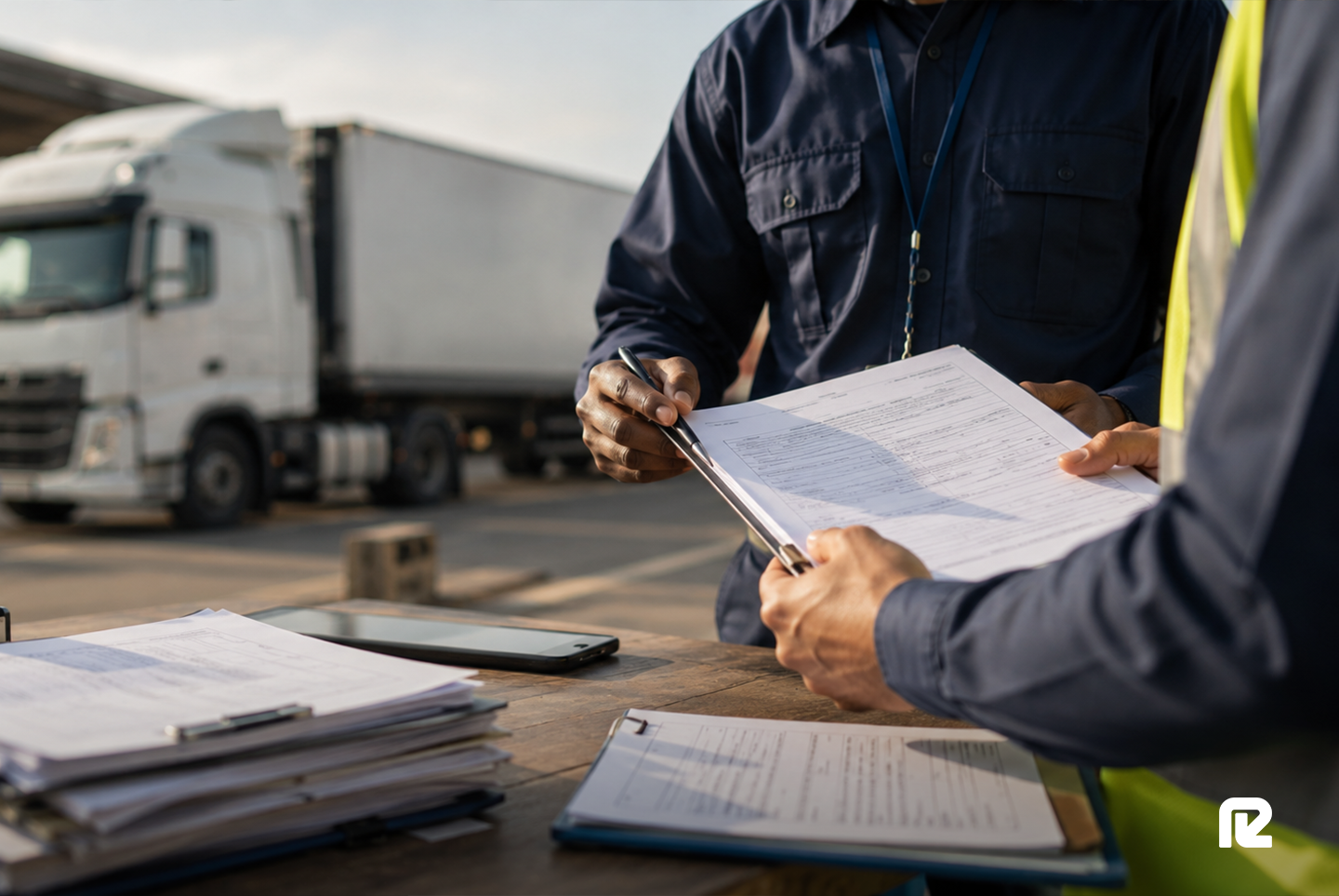
The most avoidable customs delays come down to paperwork. A commercial invoice with a vague goods description, a mismatch between the invoice and the packing list, or a missing certificate of origin can all stop a shipment that would otherwise clear quickly.
Getting the documents right before a shipment moves is the single most effective way to reduce customs delay.
Related to customs but broader in scope, documentation errors can affect every stage of the logistics chain. Examples include packing lists that fail to match the physical shipment, a missing safety data sheet for regulated goods, or a bill of lading with incorrect details. These issues can all trigger holds, inspections, and delays at multiple points.
The fix is in process. Systematic document checks before a shipment moves, clear communication between all parties in the chain, and experienced handling of regulated or complex cargo all reduce the frequency of documentation-related delays significantly.
Finding enough qualified drivers is a problem that doesn't go away. When freight demand spikes, whether at harvest time, ahead of a public holiday, or in response to a supply chain disruption elsewhere, the gap between available drivers and available loads widens fast.
But drivers are only part of it. Port workers, warehouse staff, and customs officials all sit in the same chain. A strike or walkout at any of those points can shut down a corridor quickly, and the warning is rarely more than a day or two.
A breakdown on a remote stretch of road can lead to delays that may take hours or days to resolve, depending on where it happens and what recovery resources are available. In markets where road infrastructure is limited and recovery services are sparse, equipment reliability matters more than it might in a well-served domestic market.
Regular maintenance, robust fleet management, and working with carriers who take equipment condition seriously all reduce the frequency and impact of mechanical failures.
A shipment that arrives at a warehouse to find it understaffed, disorganized, or processing a backlog of other freight will wait. Warehouse bottlenecks are common during peak periods and at facilities that lack the systems or space to handle volume efficiently.
Coordinating inbound arrivals, sharing advance shipping notifications, and working with warehouse partners who have visibility into their own capacity all help to reduce loading delays.
A route that looks efficient on paper can fail in practice if it doesn't account for border crossing times, seasonal road conditions, port slot availability, or realistic transit times on challenging corridors.
Scheduling errors can be caused by factors such as optimistic assumptions or insufficient local knowledge, and they create delays that build up as the shipment progresses.
For these reasons, route planning needs to be based on operational experience of specific corridors, rather than basing planning on map distances and theoretical transit times.
There are periods when demand simply runs ahead of what the market can carry. Shipments get bumped, rerouted, or pushed back while carriers prioritize existing commitments. On some lanes, the imbalance is seasonal. On others, it's a longer-term structural problem that isn't going away.
Businesses that have contracted capacity and established carrier relationships feel this less acutely than those going to the spot market when they need a truck. That gap in resilience becomes most visible exactly when capacity is tightest.
Multi-country corridors involve multiple border crossings, and each one is a potential source of delay. Processing times vary widely depending on the countries involved, the volume of traffic, the time of day, and the documentation accompanying the shipment.
On the busiest corridors in Sub-Saharan Africa, border delays can add a day or more to a transit time that would otherwise be predictable. Working with logistics partners who have established relationships and local knowledge at key border posts makes a measurable difference.
Demand spikes at predictable points in the year: agricultural harvest periods, pre-holiday retail peaks, and the end of financial quarters all drive surges in freight volumes. When everyone needs capacity at the same time, transit times extend, and rates rise.
Securing capacity before demand peaks and planning around realistic rather than ideal transit times takes most of the sting out of seasonal pressure.
The obvious costs are demurrage while goods sit waiting, expediting fees to recover lost time, and penalties when contracted delivery windows get missed.
Those show up on invoices, but what doesn't show up as clearly is the effect on inventory planning, production schedules, and the working capital tied up in goods that are somewhere in transit rather than where they need to be.
A late delivery in B2B logistics rarely stops with the buyer. It runs into their production schedule, their commitments to their own customers, and their assessment of whether this supplier is worth the risk next time. Relationships that took years to build can start to fray after a handful of avoidable delays.
Keeping customers informed when something goes wrong matters, but what builds lasting commercial relationships is consistent delivery. That's what turns a logistics provider into a long-term partner rather than just another vendor on the approved list.
Production deadlines, ship loading cutoffs, and contractual delivery windows are all binary: either the goods arrive in time, or they don't.
Missing a vessel cutoff means waiting for the next sailing. Missing a production deadline means a line stops. The downstream consequences of a single missed deadline can be disproportionate to the delay that caused it.
International shipments are more exposed to delay than domestic ones because they pass through more handover points, more jurisdictions, and more potential failure modes. A freight forwarder managing an international shipment needs to coordinate customs, carriers, port agents, and warehouse operators across multiple countries, often simultaneously.
The more integrated the coordination, the fewer the gaps where delays can develop. Fragmented logistics, where different legs are managed by different parties without central oversight, create exactly the kind of handover failures that turn small problems into significant delays.
Most logistics delays have the same root causes: poor visibility, fragmented coordination, and documentation that isn't prepared carefully enough before a shipment moves.
Real-time tracking and the ability to act on problems before they escalate catch delays early enough to change the outcome.
Integrated logistics, where a single operator manages the full journey rather than handing off between providers, removes the gaps where delays tend to develop. And systematic document preparation, checked before every shipment moves, eliminates the most avoidable cause of customs and compliance holds.
No supply chain is delay-free. But the gap between a supply chain that manages delays well and one that doesn't is almost always visible in the planning, the systems, and the relationships behind it.
It depends entirely on the cause. A documentation error caught quickly might add a few hours. Port congestion or a border backlog can add days.
Severe weather or industrial action affecting a key corridor can extend transit times by a week or more. The best way to reduce time wasted by delays is to catch problems early, which requires visibility across the full supply chain.
The picture varies by corridor and mode of transport. Port congestion remains a factor on several major trade routes. Geopolitical pressures continue to affect routing and capacity on some lanes.
In road freight, driver availability and fuel costs are ongoing constraints in many markets. The consistent thread is that volatility, rather than any single cause, defines the current environment.