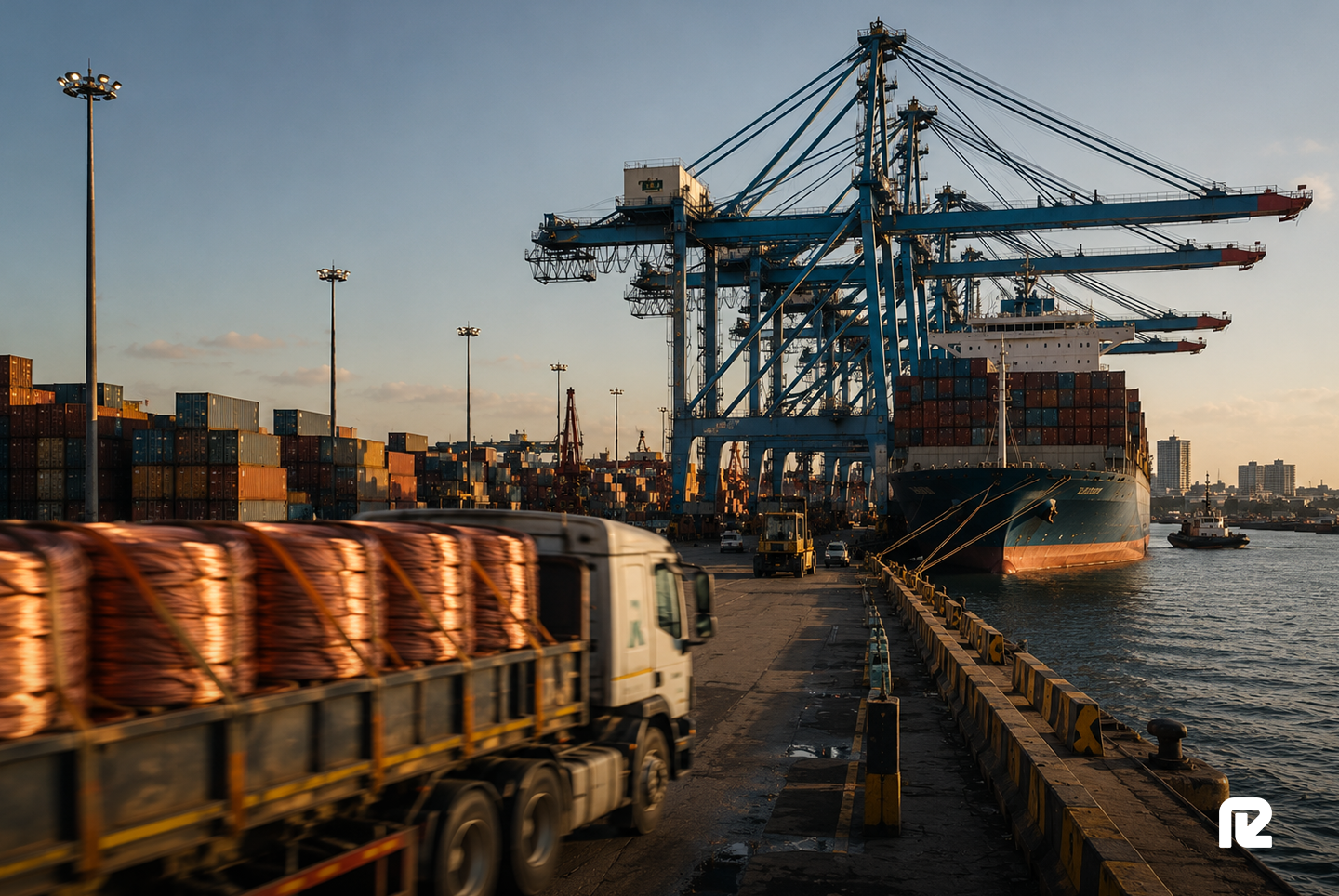
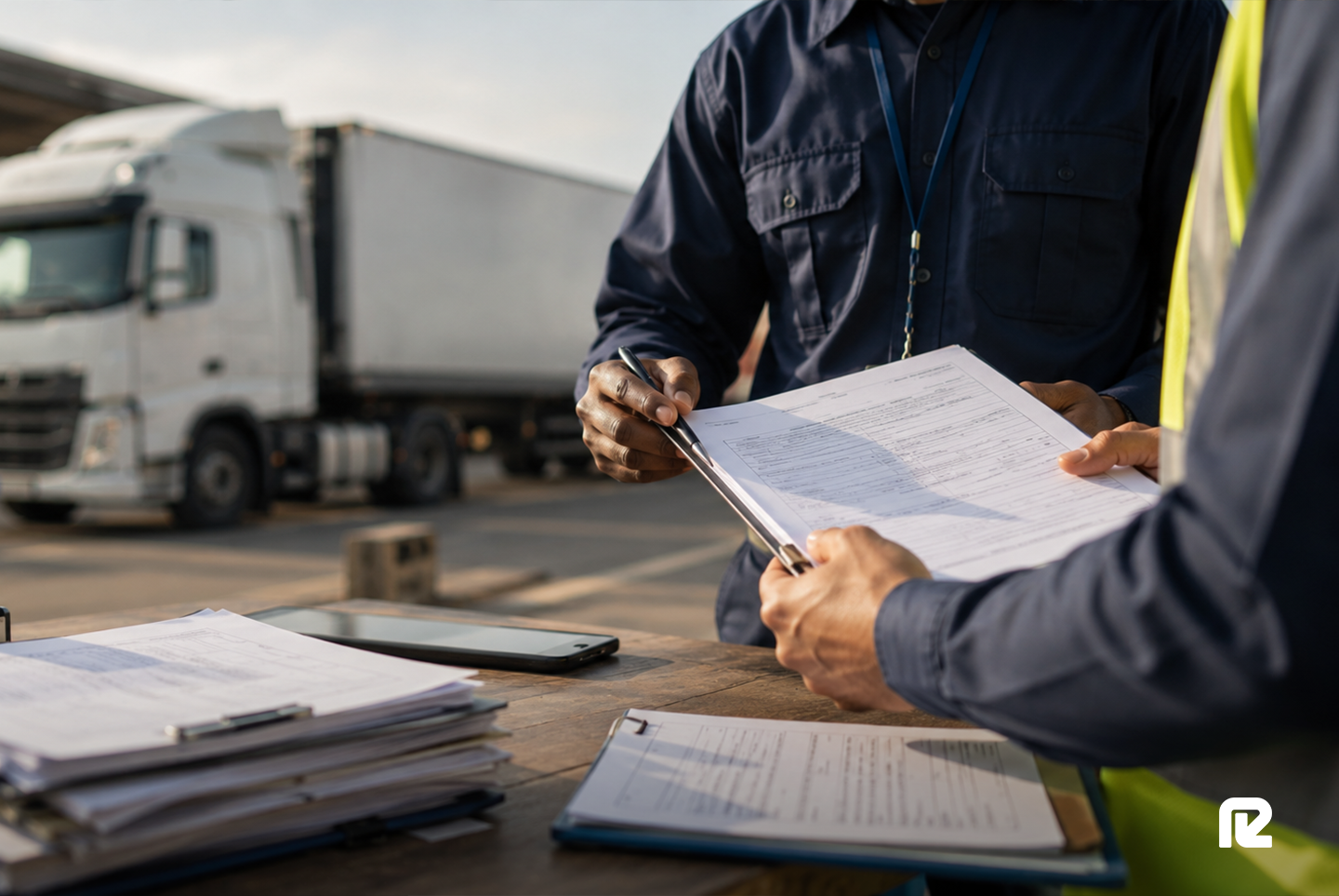
Beitbridge: Southern Africa's Busiest Border Post
September 1, 2026
Read the story
Please submit your details below and one of our logistics experts will reach out within one business day. Thank you.
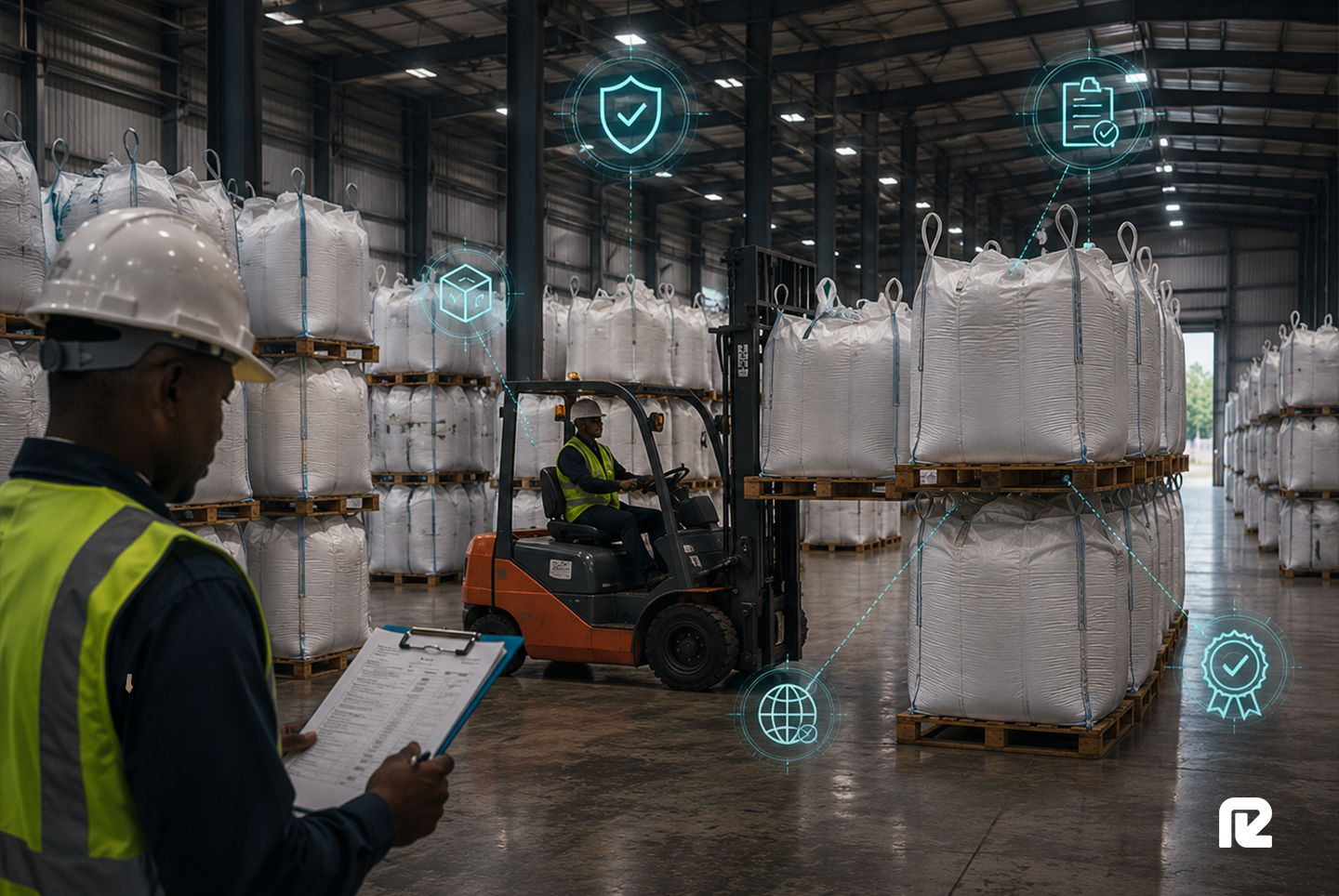

Customs bonds are a standard part of international trade compliance. What they actually are, and how they work, is less commonly understood than you might expect.
For businesses moving goods across Sub-Saharan Africa, whether importing equipment and fuel into landlocked markets or exporting copper, cobalt, and agricultural commodities to buyers in Europe, Asia, and North America, customs bonds are a routine part of the compliance picture.
This article covers what they are, why they exist, the main types, and how they fit into the broader logistics process.
A customs bond is a financial guarantee between three parties: the importer, a surety company, and the relevant customs authority. Its purpose is straightforward — it guarantees that all duties, taxes, and fees owed to the government will be paid.
If the importer doesn't pay, the surety does. That's what makes it acceptable to customs as security for releasing goods. The surety takes on the financial risk and charges the importer a premium for doing so.
Take a practical example. A company imports a consignment of industrial equipment into Zambia. Before customs releases the shipment, a valid bond must be in place. If duties are assessed and the importer doesn't settle them, the surety steps in.
Three parties, three different interests.
The importer is liable for all duties and fees. The surety company underwrites the bond and pays out if the importer defaults. The customs authority is the party the whole arrangement is designed to protect.
It works because customs can't vet every importer that comes through. The surety company does that job, looking at the importer's financial standing and trade history before agreeing to take on the risk.
Customs bonds exist to protect the revenues governments collect in import duties and taxes. Those revenues need to be protected even when goods are released before duties are formally assessed, which is how most modern import processes work.
Without a bond, a government would have little recourse if an importer took possession of goods and then failed to pay the duties owed. The bond closes that gap. Customs can release goods efficiently, trade can flow, and the government's revenue position is protected regardless of what happens on the importer's side.
For importers, the bond is the price of entry into that system. It signals financial credibility and allows goods to move without being held at the border until every dollar of duty is settled upfront. In markets where border delays are already a significant cost driver, that matters.
These two instruments are sometimes confused, but they work very differently.
General cargo or trade insurance protects the importer against loss or damage to their own goods. If a shipment is damaged in transit, insurance pays the importer. The flow of money is toward the insured party.
A customs bond works in the opposite direction. It protects the government, not the importer. If the importer fails to meet their customs obligations, the surety pays the government. The importer then owes that money to the surety. There is no scenario in which the importer receives a payout from a customs bond.
The practical implication is that customs bonds and cargo insurance are not alternatives to each other. They cover completely different risks, and both are typically required for international shipments.
It depends on where goods are going and what they are. In the US, any commercial shipment over $2,500 needs one, as does anything classified as regulated goods regardless of value.
Across Sub-Saharan Africa the thresholds differ country by country, but the underlying requirement is the same: proof of financial guarantee before goods are released.
If you're exporting from the region to Europe, North America, or Asia, the rules of the destination country apply. Importing into Sub-Saharan Africa means navigating local customs requirements. The specifics change corridor by corridor, which is why most businesses lean on a customs broker who knows the route.
Most importers will deal with one of two types.
A single-entry bond covers one shipment and nothing else. It works for businesses that import occasionally or need cover for a one-off consignment. The bond value is the shipment value plus any additional duties and fees.
A continuous bond will be valid for twelve months, covering every shipment made by the importer in that period. It's the standard choice for regular importers. There's no need to arrange a new bond each time — it simply covers each entry as it comes.
There are also more specialised types for specific situations. Warehouse bonds cover goods held in bonded storage. Carnet bonds apply to temporary imports that will leave the country again. Drawback bonds are for goods being re-exported after some form of processing.
It’s necessary to apply for a bond through a licensed customs broker or directly with a surety company. Risk is assessed by the surety, and if approved, the bond is issued and filed with customs before any shipment arrives.
Customs then carry out checks at the border for a valid bond before releasing the goods.
Once duties are assessed, the importer pays them directly to customs in the normal way. The bond only comes into play if the importer defaults. At that point the surety pays customs and then goes after the importer to recover the money. It's worth being clear on this: the bond doesn't make the cost go away. It guarantees the cost will be covered, one way or another.
The most immediate benefit is that goods move. Without a bond in place, a shipment cannot be released from customs, which means delays, storage fees, and disruption to supply chains. In Sub-Saharan Africa, where border delays already represent one of the most significant sources of cost and unpredictability in cross-border logistics, an avoidable hold is an expensive problem.
A continuous bond simplifies the import process significantly for regular importers as, rather than needing a new bond for every shipment, it covers every entry automatically, reduces administrative burden, removes one area where the clearance process might fail.
A bond is also a sign of credibility, as customs authorities and logistics partners can see that an importer has been assessed and approved by a surety company. For businesses building long-term import operations across multiple corridors, that standing matters.
Mining drives a large share of Sub-Saharan Africa's export activity. Copper, cobalt, manganese, and other critical minerals travel in volume to buyers in Europe, Asia, and North America, and the bond values involved reflect that. Destination markets are also applying more scrutiny to critical mineral supply chains, which adds a compliance layer that exporters need to factor in.
The import side of mining is equally demanding. A working mine needs a continuous flow of heavy equipment, fuel, chemicals, and spare parts. Many of those shipments carry high declared values and attract additional compliance checks, both of which affect what a bond needs to cover.
Standard customs clearance is just the starting point for regulated goods. Food products, pharmaceuticals, medical devices, and certain chemicals can also trigger recall obligations, re-export requirements, or destruction costs if something fails a compliance check. Bonds for these shipments are often set at a higher value to account for that exposure, not just the duties.
High declared values and safety or emissions compliance requirements are the two things that define bonding for vehicles and heavy machinery.
For project cargo, the kind of large-scale equipment that shows up in infrastructure and energy projects across the region, a standard bond structure often isn't sufficient. The bond typically needs to be tailored to the shipment and the specific corridor it's moving through."
Incoterms settle the question of who is responsible for what at each stage of a shipment, and that includes who arranges the customs bond.
Under DDP terms, the seller delivers to the buyer's door with duties paid. That puts the bond obligation on the seller, or their logistics partner, in the destination country. Under EXW or FOB terms, the buyer takes on import responsibility from an earlier point in the journey, which means the bond is theirs to arrange.
It sounds straightforward, but a mismatch between the agreed Incoterms and the party holding the bond is a surprisingly common cause of delays, particularly on cross-border corridors where more than one jurisdiction is involved.
Customs holds and the storage fees that follow are among the more avoidable costs in international logistics, and most of them trace back to a small number of causes.
An invalid or insufficient bond is near the top of that list. A bond that doesn't cover the shipment value, has lapsed, or hasn't been filed in time will stop a shipment at the border. For continuous bond holders, keeping track of renewal dates and making sure bond values keep pace with import volumes is a simple way to stay ahead of that problem.
Document errors are the other major cause. A mismatch between the customs entry and the commercial invoice, an incorrect HS code, or a missing compliance certificate can all trigger a hold that has nothing to do with the bond itself. The bond gets goods to the point of clearance. Everything else still needs to be right.