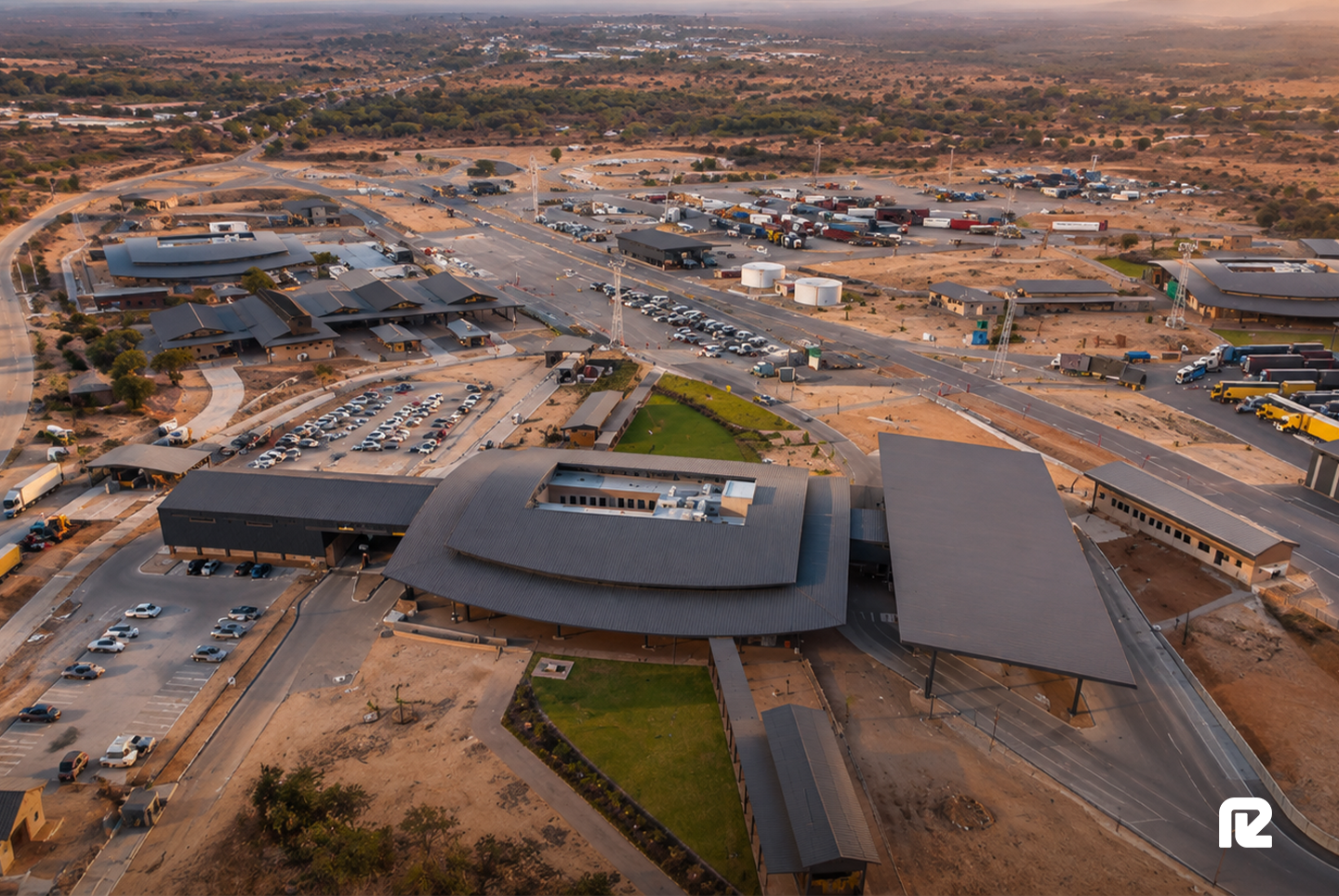
Beitbridge: Southern Africa's Busiest Border Post
September 1, 2026
Read the story
Please submit your details below and one of our logistics experts will reach out within one business day. Thank you.


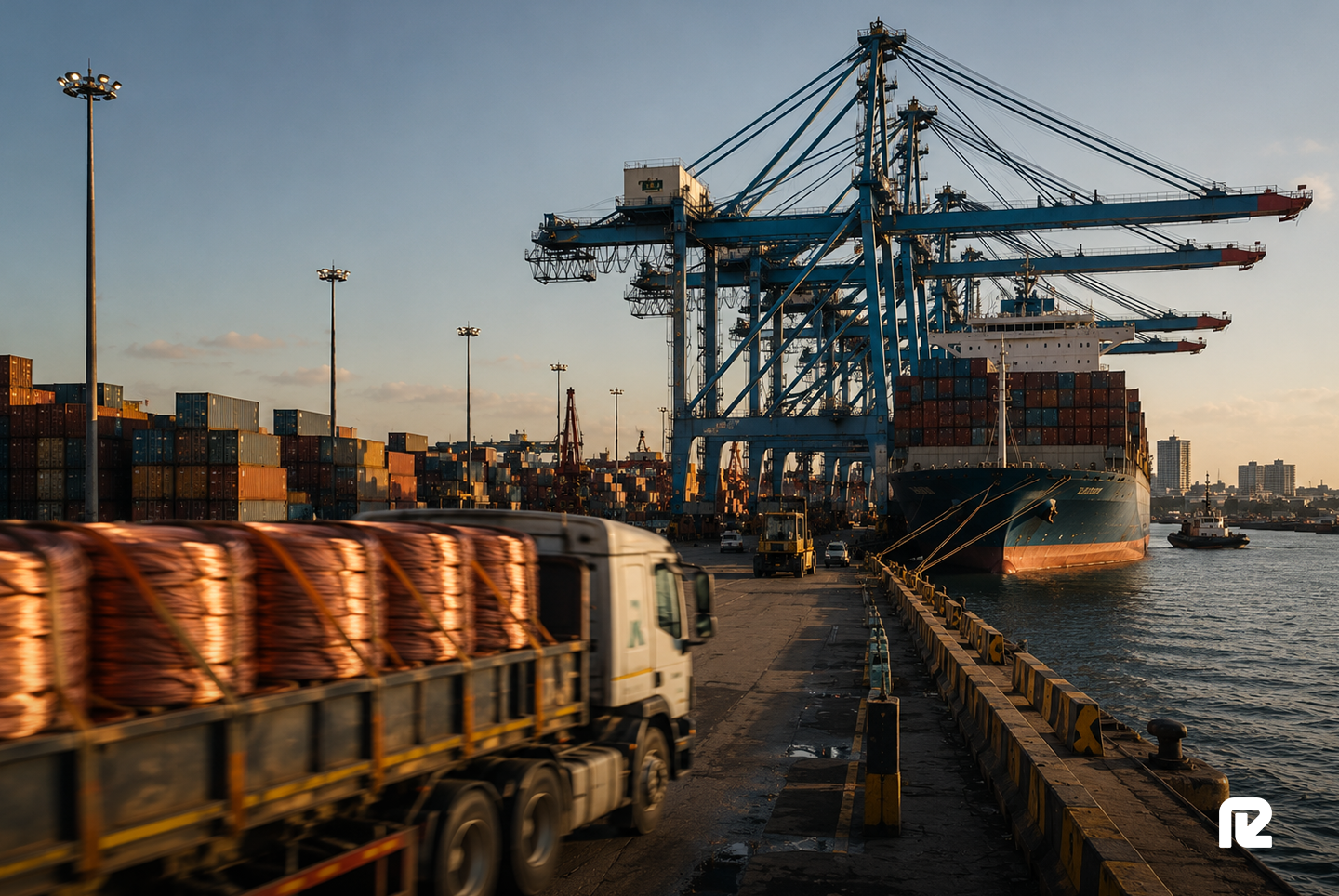
Port congestion is one of the most disruptive challenges in global shipping and logistics. When large volumes of cargo arrive faster than terminals can process them, ports become congested, and vessel queues begin to form. Ships may wait offshore for days or even weeks before they can berth and unload containers.
For logistics planners, overcrowded docks create ripple effects across the entire supply chain. Delayed vessel arrivals, container shortages, increased storage costs, and unpredictable inland transport schedules can quickly escalate operational complexity.
Congestion can arise from several factors. Sudden demand surges, labor disruptions, extreme weather events, infrastructure limitations, and changes in shipping routes can all overwhelm port capacity. When this occurs at major global gateways, the consequences extend far beyond a single port, affecting freight schedules and logistics networks worldwide.
In this guide, we dissect how port congestion develops and how it influences shipping costs and supply chain reliability, all essential elements for companies that depend on international freight movement.
Port congestion occurs when the volume of ships, containers, and cargo arriving at a port exceeds the facility’s capacity to process them efficiently.
In a normal operating environment, vessels arrive at scheduled time slots, unload containers, and depart after cargo handling operations are complete. Terminal operators coordinate yard space, cranes, truck movements, and rail transfers to maintain a steady flow of cargo.
But when a bottleneck occurs, this process breaks down. Imagine too many ships arriving within a short time period, terminal yards becoming crowded with containers, and loading equipment unable to keep up with demand. As a result, vessels may be forced to anchor offshore while waiting for an available berth.
Once congestion begins, it can quickly cascade. Delays in unloading vessels slow down container retrieval, which delays truck pickups and rail transfers. Yard space becomes limited, further reducing the port’s ability to handle incoming cargo.
This cycle continues until shipping schedules stabilize or cargo volumes decrease.
Dock congestion happens at the berth or dock level inside the terminal.
If port congestion generally refers to broader capacity problems affecting the entire port system, dock queuing happens when there are not enough available berths or cargo-handling resources to process vessels efficiently.
This situation can arise when multiple large ships arrive simultaneously, when loading cranes are operating at reduced capacity, or when terminal labor availability becomes constrained.
Dock saturation very often results in longer vessel turnaround times. Ships remain at the dock longer than scheduled because container loading and unloading operations take more time than expected. This delay prevents other vessels from accessing the berth, increasing queue times for incoming ships.
For shipping lines, this issue increases operational costs because vessels spend more time idle instead of moving cargo along scheduled routes.
When saturation at port disrupts normal shipping operations, carriers and logistics providers often introduce additional charges to recover the costs associated with delays and operational inefficiencies. These extra costs are known as port congestion surcharges.
Surcharges are typically applied when vessels experience prolonged waiting times, when container dwell time increases, or when terminals introduce temporary fees to manage peak demand.
The exact structure of these surcharges varies by shipping line and port authority, but they generally aim to compensate carriers, terminals, and transport providers for the operational impact of congestion.
Demurrage fees apply when containers remain inside the port terminal beyond the allowed free time period after they have been unloaded from the vessel.
Detention fees, by contrast, apply when containers are held outside the terminal longer than the carrier’s permitted usage window before being returned.
Both fees increase significantly during periods of port congestion because delays make it harder for shippers to retrieve and return containers within the standard time limits.
Some ports introduce peak pricing models during periods of heavy traffic. These pricing systems charge higher fees for cargo movement during high-demand periods to encourage off-peak operations. Peak pricing can apply to truck gate appointments, container storage, or terminal handling services.
Drayage companies, which transport containers between ports and nearby warehouses or rail yards, may also introduce blockage-related surcharges.
Long truck waiting times, limited terminal access windows, and reduced driver productivity often increase drayage operating costs during restricted operations.
These costs are frequently passed on to shippers through additional service fees.
Shipping lines may introduce surcharges when vessels experience extended waiting times at congested ports. These surcharges help compensate carriers for increased fuel consumption, schedule disruptions, and equipment repositioning challenges.
The surcharge is usually applied per container and may vary depending on trade lane conditions.
Some surcharges are structured using tiered pricing systems. Fees increase depending on how long containers remain in the terminal or how severe the bottleneck becomes.
Tiered structures encourage faster cargo retrieval and help ports manage limited storage space more efficiently.
Congestion surcharges can indeed be applied either to specific ports or to broader regions.
Port-specific charges are introduced when construction is isolated to a single terminal or harbor. Regional surcharges may also apply when blocking affects multiple ports along the same shipping route or trade lane.
Port overcrowding rarely results from a single factor. In most cases, it happens when several operational pressures occur simultaneously, overwhelming terminal capacity and slowing cargo movement.
Below are some of the most common causes of hindrance at major global ports.
Rapid growth in e-commerce has significantly increased container volumes moving through global shipping networks. Retailers often import large quantities of consumer goods ahead of peak shopping seasons, creating sudden spikes in port activity.
When multiple retailers schedule shipments at similar times, container arrivals can exceed terminal handling capacity, causing vessels to queue offshore and slowing cargo processing.
Labor disputes at major ports can disrupt normal operations. When dockworkers or terminal operators halt or reduce activity due to labor negotiations, container handling slows dramatically.
The U.S. West Coast has experienced several high-profile labor disruptions in recent years, which have led to vessel backlogs and extended port stoppages across Pacific trade routes.
Reduced water levels in the Panama Canal have occasionally limited the number of vessels able to transit the canal each day. When shipping lines cannot secure canal transit slots, they may reroute vessels through alternative shipping lanes.
These sudden rerouting decisions can overwhelm certain ports that were not originally scheduled to receive the additional vessel traffic.
Extreme weather events frequently disrupt port operations. Typhoons and hurricanes can temporarily shut down port terminals, suspend vessel movements, and halt cargo loading activities.
When ports reopen after severe weather closures, large numbers of delayed vessels may arrive simultaneously, creating operational bottlenecks.
Modern container vessels can carry more than 20,000 TEUs of cargo. While these ultra-large container ships improve shipping efficiency, they also place heavy pressure on port infrastructure.
Terminals must have enough cranes, yard space, and truck access capacity to handle massive volumes of containers arriving at once. If a port is not designed to process such large shipments quickly, congestion can develop.
To solve port congestion, it is necessary to put in place coordinated efforts across shipping lines, terminal operators, logistics providers, and government authorities.
One approach involves expanding port infrastructure. Investments in additional cranes, expanded container yards, and improved rail connections can increase cargo-handling capacity and reduce bottlenecks.
Another strategy focuses on improving operational efficiency. Digital scheduling systems for truck appointments, automated container tracking, and improved berth allocation systems can help ports manage vessel arrivals more effectively.
Some ports also extend operating hours to allow container pickups during nights or weekends, reducing daytime congestion.
Shipping lines and logistics providers can contribute by adjusting sailing schedules, distributing cargo across multiple ports, and improving communication with terminal operators to avoid simultaneous vessel arrivals.
Although no single solution eliminates holdup, coordinated operational improvements can significantly reduce delays.
When ports become heavily congested, the effects ripple far beyond the terminal itself and affect global supply chains extensively.
When ships must wait to berth, cargo deliveries are delayed. These delays disrupt inventory planning for manufacturers, retailers, and distributors who rely on predictable shipping schedules.
Restricted access can also create equipment shortages. Containers and chassis remain stuck at congested ports longer than expected, reducing their availability for other shipments.
As delays accumulate, logistics providers may need to reroute cargo through alternative ports or shift to more expensive transport options such as air freight.
These adjustments increase overall logistics costs and can ultimately affect product availability and pricing in global markets.
Several operational indicators typically signal that a port is becoming congested.
One common sign is increasing vessel wait times. When ships must anchor offshore for extended periods before receiving a berth, restrictions are likely to develop.
Another indicator is rising container yard density. When storage areas within the terminal become filled with containers awaiting pickup or transfer, cargo handling efficiency decreases.
Truck turnaround times may also increase. Drivers may wait several hours to collect or deliver containers if terminal gate access becomes limited.
Port tailback can disrupt supply chains in several ways.
Manufacturers may experience delays in receiving raw materials or components needed for production. Retailers may struggle to replenish inventory in time for peak sales periods.
Transportation planning becomes more complicated when shipment arrival dates are uncertain. Logistics teams may need to rearrange warehouse schedules, adjust distribution plans, or secure additional storage capacity.
These disruptions often increase operational costs and reduce overall supply chain efficiency.
Congestion tends to intensify during certain times of the year.
The period leading up to major retail seasons, such as the end-of-year holiday shopping period, often sees significant increases in container shipments. Importers rush to move goods into warehouses before demand peaks.
Agricultural harvest seasons can also generate sudden surges in export shipments, particularly at ports that handle large volumes of grain or other commodities.
Holiday closures and reduced staffing levels may further slow port operations, creating temporary bottlenecks.
When shipping schedules are disrupted by obstruction at major ports, freight rates often rise.
Carriers may introduce surcharges to offset the operational costs associated with delays. Shipping lines may also increase freight rates if vessel capacity becomes limited due to schedule disruptions.
Additionally, companies may compete for alternative transport capacity when shipments are delayed, driving up prices for air cargo or expedited services.
These rate increases can significantly affect overall logistics budgets.
Congestion does not affect all shipping routes equally.
Certain port pairs may experience higher freight rates because overload is more severe at one or both ends of the route. For example, a shipping route connecting two highly congested ports may see greater price increases than routes involving less crowded terminals.
Shipping lines often adjust pricing depending on the operational conditions at both origin and destination ports.
Understanding these differences helps logistics planners select routes that minimize congestion-related delays and costs.
Several major ports regularly experience tailback due to high cargo volumes and complex global shipping networks.
The Port of Los Angeles remains one of the busiest container gateways in North America. High import demand, particularly for consumer goods, often places pressure on terminal capacity.
Savannah has experienced periods of congestion as cargo volumes increased and container yard capacity became constrained during peak shipping periods.
Shanghai is one of the largest container ports in the world. Temporary disruptions such as lockdown measures or weather events have previously created vessel backlogs affecting global shipping schedules.
Ningbo-Zhoushan is another major Chinese port that occasionally experiences vessel waiting times when cargo volumes surge.
Singapore’s strategic location along major shipping routes means it frequently handles extremely high vessel traffic levels, which can lead to temporary congestion.
Rotterdam is Europe’s largest container port and an important hub for regional distribution. Yard density increases during periods of heavy container arrivals.
Semarang has experienced congestion challenges during peak export periods when container volumes exceed terminal handling capacity.
Port congestion cannot always be avoided, but understanding its causes and operational signals helps companies plan more resilient logistics strategies.
Working with experienced logistics partners allows companies to anticipate disruptions, manage shipping schedules more effectively, and reduce the operational impact of congested ports.
Reload Logistics supports businesses navigating global shipping challenges by coordinating freight movements, monitoring port congestion risks, and optimizing transport routes across international trade corridors. If your organization relies on international freight routes, discussing congestion mitigation strategies with logistics experts can help maintain supply chain reliability.
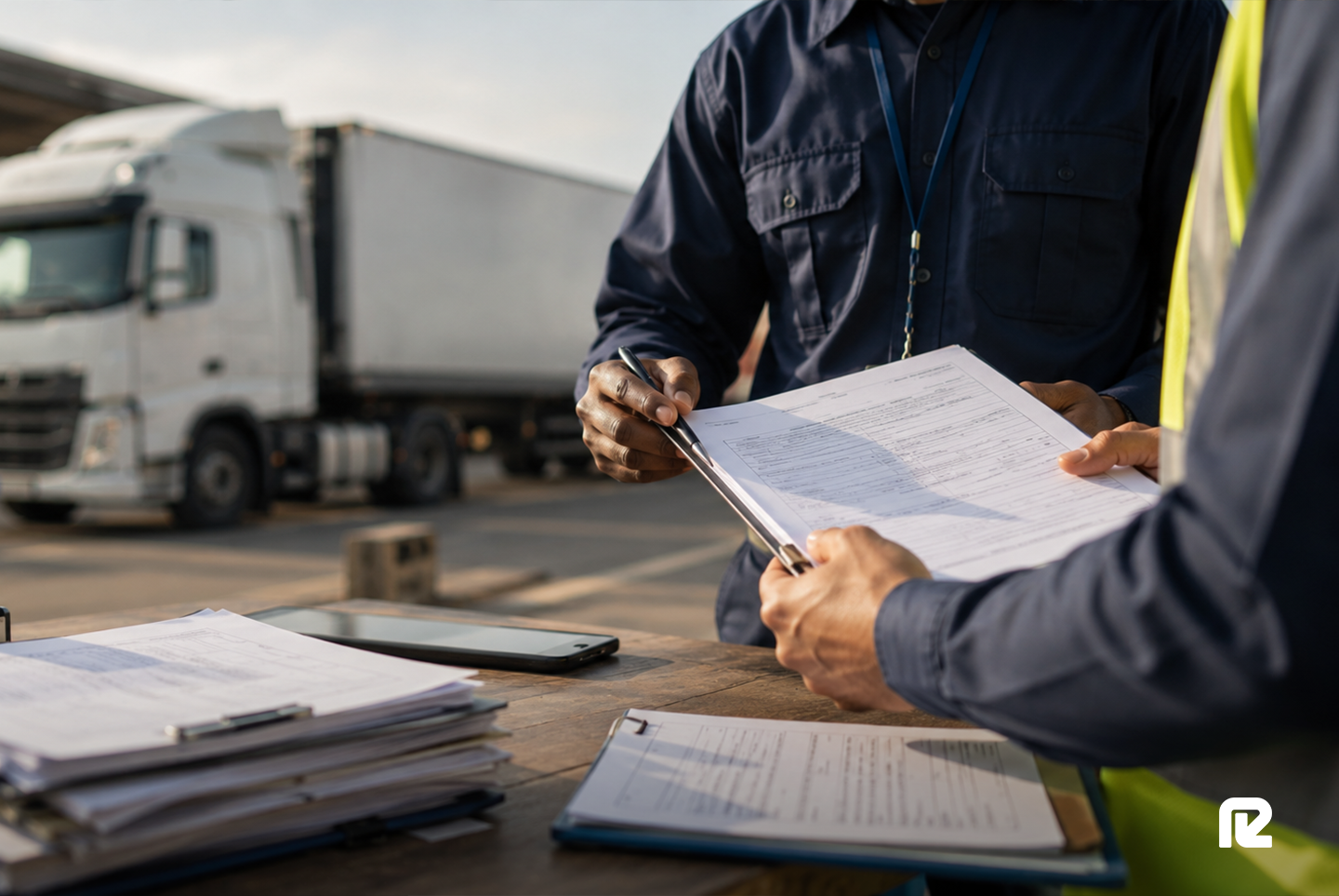
Cross-border freight refers to cargo transported between two different countries. These shipments typically require customs clearance procedures and compliance with international trade regulations.
Port congestion is often measured by indicators such as vessel waiting time, container yard density, and average ship turnaround time. High values in these metrics usually signal congestion conditions.
Signs of congestion include long vessel queues outside the port, delays in container pickup appointments, increased storage fees, and extended cargo handling times.
The most congested ports can change depending on global trade conditions, but major container hubs such as Los Angeles, Shanghai, and Singapore frequently experience congestion due to high cargo volumes.
Port congestion delays shipments, increases freight costs, and disrupts delivery schedules. These delays can affect inventory planning, production timelines, and product availability.
Several ports have implemented environmental sustainability programs, but ports such as Rotterdam and Singapore are often recognized for strong environmental initiatives and emissions reduction efforts.