AfCFTA and Customs Reality: What Free Movement of Goods Requires at the Border
October 19, 2026
Read the story
Please submit your details below and one of our logistics experts will reach out within one business day. Thank you.
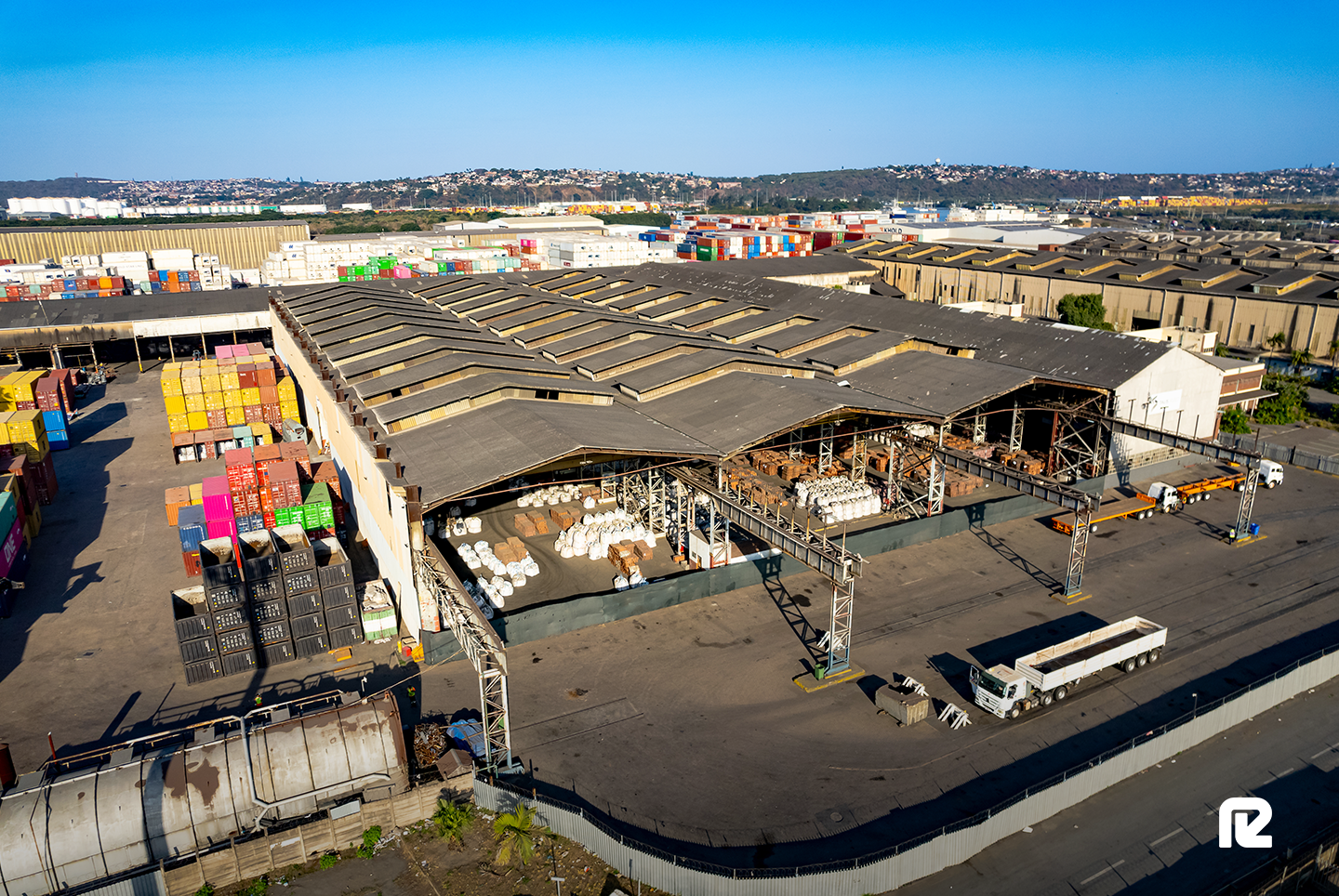

In August 2026, Durban Gateway Terminal (DGT) switched to a new terminal operating system, and severe congestion followed. Trucks waited up to 30 hours to deliver reefer containers at the height of the citrus export season, and vessels queued at outer anchorage. By late September, DGT reported that throughput inside the terminal had recovered, but transporters said getting a truck through the gate was still difficult.
The bottleneck is the truck appointment system, which controls when hauliers can deliver or collect a container. A container without a matching slot stays in the stack, and storage, demurrage and detention charges keep running for the cargo owner.
A group of transporters has asked DGT to publish how slots are allocated. The same group has also filed a complaint with the Competition Commission over who carries those charges.
This article covers what happened at DGT and how the slot system works. It then explains what the transparency dispute is about and what cargo owners can do while the backlog clears.
DGT is the former Durban Container Terminal Pier 2. Pier 1 operates separately, and the disruption described here applies to DGT. International Container Terminal Services Inc (ICTSI) took over operations on January 1, 2026, under a 25-year concession with Transnet. Transnet retains a 51% shareholding.
In August, DGT moved to a standalone Navis N4 operating system. According to the South African Association of Freight Forwarders (SAAFF), the terminal initially ran at about 70% of normal operating levels after the cutover. SAAFF said the problems went beyond the IT migration. Booking availability, yard flow, equipment reliability and landside evacuation all deteriorated, and the association declared a congestion crisis at the terminal.
The South African Freight and Logistics Association (SAFLA) and the Road Freight Association (RFA) reported that the time transporters spend in the port precinct per visit had risen by more than 50% over the previous three months.
By late September, DGT reported that total terminal moves were back at 7,000 to 7,500 a day, in line with its standard targets. Yard occupancy held at 63% to 64%. The anchorage queue stood at eight vessels in DGT's update, and at ten on September 25 by SAAFF's count. SAAFF estimated that affected supply chains were still running about 18 to 20 days behind.
Every truck delivering or collecting a container at DGT needs an appointment in the terminal's booking system. The terminal releases slots based on how many trucks it can process at the gates and serve in the stack in a given period. Since the disruption, DGT has released slots on a 24-hour window and reviewed allocations every four hours.
The slot system is the link between the yard and the road. A container can be cleared by customs and ready for release, but it leaves the terminal only when a truck holds a matching appointment. SAFLA's executive officer has said that when slots are unavailable, containers stay pinned in the yard however much yard space is free.
Transporters describe a cycle that can take several days per container. Positive Freight Solutions (PFS), which represents a group of container hauliers, says a typical cycle runs like this:
- Securing a booking takes one to two days.
- Being serviced at the terminal takes another day.
- Unpacking the container and returning the empty takes a further day.
PFS also reports that trucks with valid bookings have spent between four and 22 hours at the terminal.
This sequence is why the recovery inside the terminal and conditions at the gate have diverged. DGT cleared long-dwell containers from the stack in September, and transporters acknowledged that progress. The number of trucks that can get in and out each day depends on slot releases, gate processing and equipment availability. Transporters say these have improved more slowly.
Equipment is part of the constraint. DGT has bought new container-handling equipment, but delivery lead times run 12 to 18 months. Until it arrives, the terminal is keeping ageing machines running through an accelerated maintenance program.
The dispute centers on how DGT decides how many slots to release and who receives them. After a stakeholder meeting with DGT on September 9, PFS put forward three proposals:
- Publish the number of slots made available at each gate per hour.
- Publish data showing how many of those slots were allocated and used.
- Keep an audit trail of every slot released or withdrawn, with the reason for each change.
PFS says the existing booking system could produce this data, and that the gap is in how much of it reaches users. SAFLA and the RFA had earlier made similar calls. They asked for appointment releases matched to real capacity, published slot schedules, reasons for cancellations and disclosure of any preferential access.
DGT has committed to giving periodic operational updates to the stakeholder forum that attended the September meeting, before releasing the same information to the media. The terminal has also developed a revised slot-booking process, which it plans to share with stakeholders for comment before implementation.
The dispute widened in July. The PFS Container Division represents about 140 transporters, and it filed a complaint with the Competition Commission against DGT, Transnet and eight shipping lines. The transporters make two main allegations:
- Terminal delays are being turned into revenue through storage, demurrage and detention charges.
- Shipping lines' own haulage subsidiaries receive preferential access to slots.
These allegations are disputed, but DGT says it remains engaged with stakeholders. The Competition Commission has yet to comment publicly on the complaint.
For cargo owners, the slot backlog matters because charges keep accruing while a container waits. Three separate charges can apply:
- Terminal storage is charged by the terminal once free time expires. PFS data puts it at up to US$140 per container per day. DGT has waived terminal storage charges for containers affected by the disruption.
- Demurrage is charged by the shipping line when its container stays inside the terminal beyond the free period.
- Detention is charged by the shipping line when its container is kept outside the terminal beyond free time. PFS puts demurrage and detention combined at US80toUS100 per container per day. Some lines have reportedly cut detention-free periods to four days, down from five.
The waiver covers only the terminal's own charge. DGT has asked shipping lines to offer matching free-time and demurrage relief. SAAFF notes that any relief depends on each carrier's commercial arrangements, so exposure varies by line, cargo type and shipment.
Exporters face a different version of the problem. SAFLA reports compressed and unpredictable stack windows. It also says port congestion surcharges remain on Durban cargo across most major trade routes. Reefer cargo carries the most risk, since a truck waiting at the gate with a perishable load has limited time before the cargo itself is affected.
Rail offers limited relief for now. Equipment and locomotive shortages continue to constrain Transnet Freight Rail, which limits how much import cargo can leave the terminal by train. Transporters also say gate congestion is adding driver overtime and vehicle standing time. Both feed into haulage costs.
- Keep a record of failed slot attempts. Ask your haulier or forwarder for booking attempts, cancellations and gate times. A shipping line assessing a demurrage or detention waiver request will look for evidence that the delay originated at the terminal.
- Check free time with each line. Free-time allowances and waiver policies differ by carrier, and some lines have shortened detention-free periods. Confirm the terms on each booking before the vessel arrives.
- Negotiate extended free time at booking. For cargo due to arrive while congestion persists, agree additional free time before shipment. A cargo owner has more leverage then than after charges have started.
- Plan export deliveries early. Stack windows are compressed and can change at short notice. Allow extra time to deliver containers before stack closing.
- Move cargo out of the terminal quickly once released. Off-dock or bonded warehousing near the port can hold cargo while clearance or onward transport is arranged. The container can then be unpacked and the empty returned within free time.
- Review the gateway for transit cargo. For cargo bound for Zimbabwe, Zambia or the Democratic Republic of Congo, routes through Maputo, Beira or Walvis Bay may offer more predictable timelines while DGT recovers. Compare total landed cost and transit time across the regional corridors before switching.
A forwarder that manages clearance, haulage and storage together can book slots against cargo that is already cleared, with warehouse space waiting. That shortens the time between release from the stack and the empty return, which is the window in which detention accrues.
For background on how congestion builds at ports generally, see our guide to port congestion.
- DGT's August 2026 system migration triggered severe congestion. Throughput inside the terminal had returned to target levels by late September.
- Truck booking slots remain the main bottleneck, since a container leaves the terminal only when a truck holds a matching appointment.
- Transporters want DGT to publish data on slot releases, allocation and usage. A separate complaint before the Competition Commission alleges that delays are being turned into revenue, and the parties named dispute this.
- DGT has waived its own storage charges, and relief on demurrage and detention depends on each shipping line.
- Recording failed slot attempts, checking free time with each line and planning exports early all reduce exposure while the backlog clears.