Kazungula Bridge: What It Means for Zambia-Bound Freight
September 15, 2026
Read the story
Please submit your details below and one of our logistics experts will reach out within one business day. Thank you.
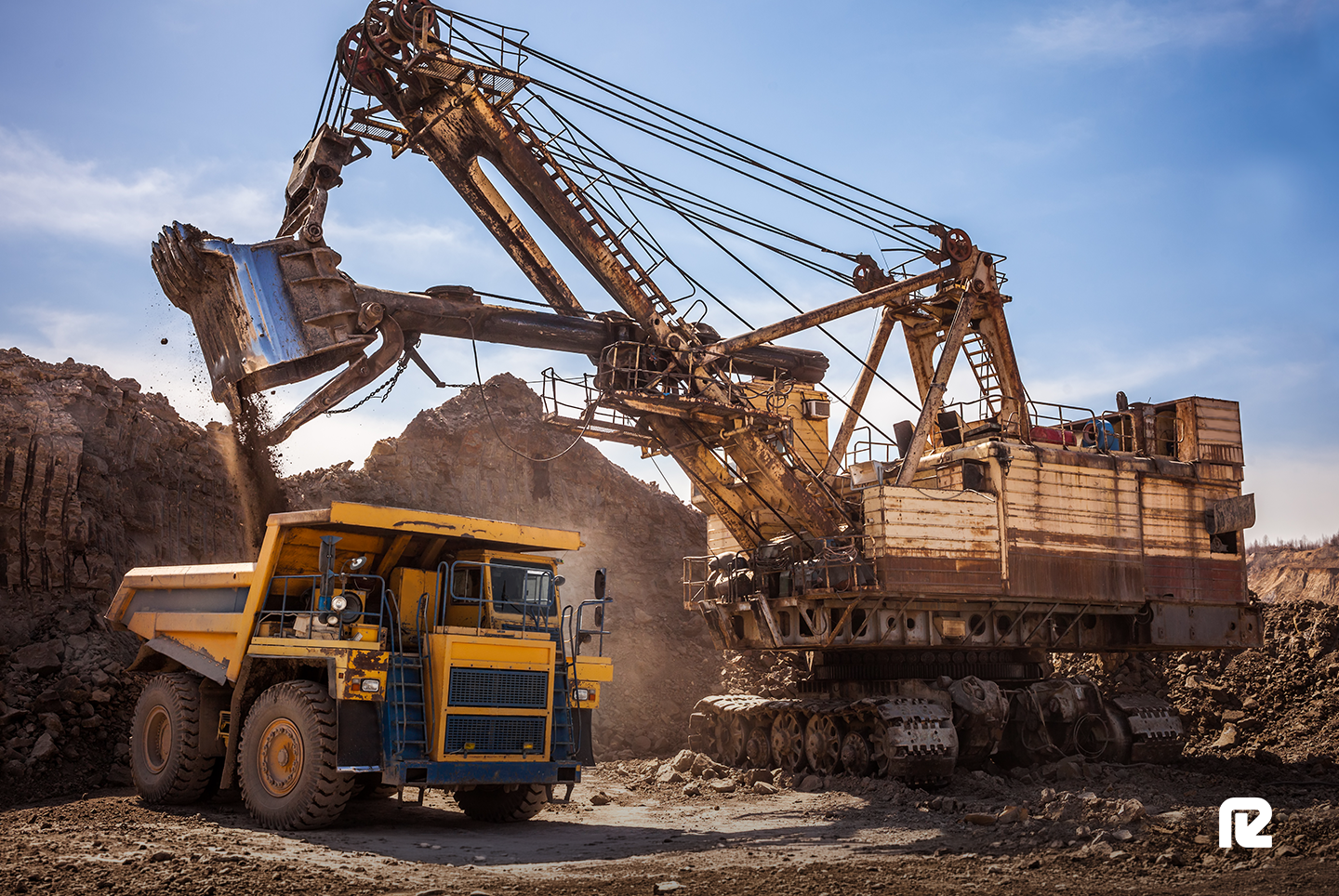

The Democratic Republic of Congo (DRC) accounts for more than 70% of global cobalt production and is Africa's largest copper producer, and that output depends on a continuous inbound supply chain of fuel, spare parts, and processing chemicals moving into the mines.
Copper and cobalt move out of the Copperbelt by the truckload, but every mine also needs a steady supply of fuel, spare parts, and processing chemicals moving in the other direction to keep running. That inbound cargo moves under different constraints than the commodities leaving the mine, from how it gets handled to what customs asks for once it reaches the border.
A truck that carries copper cathode or cobalt concentrate south to port has to return north again. If it returns empty, that capacity is wasted. Filling it with fuel, spares, or consumables on the way in is what makes the return trip pay for itself, which is one reason inbound freight planning stays tied to the outbound schedule rather than running as a separate operation.
Inbound cargo also faces its own tax treatment once it reaches the DRC. Mining consumables and fuel carry a separate import tax structure, distinct from the royalties applied to copper and cobalt leaving the country.
This piece covers what moves inbound, how it's routed, how fuel and chemicals differ from general cargo in handling, and what customs now requires once cargo crosses into the DRC.
Fuel and lubricants keep haul trucks, generators, and processing equipment running. Processing plants draw on a steady supply of grinding media, mill liner bolts, and flotation reagents, the chemicals used to separate valuable minerals from ore, along with spare parts covering everything from crusher liners to conveyor components.
Bulk processing chemicals move too, sulphuric acid chief among them for copper leaching, and this cargo arrives by tanker rather than container or flatbed.
Explosives are a partial exception to the inbound pattern. Rather than being shipped in from overseas, bulk emulsion explosives for the region's surface and underground mines are manufactured close to where they are used. AECI Mining Explosives runs its main regional plant in Kitwe, in the Zambian Copperbelt, and supplies mines across Zambia, the DRC, Malawi, and Tanzania from storage and distribution facilities near the border rather than trucking finished explosives the full length of the corridor.
Equipment and consumables also move on different rhythms. Capital equipment, a new crusher or a haul truck, arrives occasionally and in large individual shipments, sometimes as break bulk or heavy lift depending on its size.
Consumables and fuel move on a recurring cycle instead, smaller individual shipments arriving regularly enough to keep a mine supplied without building up excess stock on site. That difference in frequency is as important to planning as the difference in cargo type, since a schedule built around occasional equipment deliveries will not hold up against the steady, repeating demand consumables create.
Whatever combination of fuel, spares, and consumables a shipment carries, it still has to travel a specific route to reach the mine, and that route is chosen differently for inbound cargo than for outbound. Outbound cargo is routed toward whichever port suits the buyer and the shipping line, and Durban is the most common export route for DRC copper.
Inbound cargo is routed instead toward wherever the equipment, fuel, or consumables actually originate, which more often means Durban's container terminals for imported machinery and parts, Dar es Salaam and the TANZAM highway through Tunduma for cargo entering from the east, or the Beira and Nacala corridors through Mozambique.
Once inbound cargo reaches Zambia, it follows the same road network toward the Copperbelt as everything else on the corridor, converging on Kasumbalesa for the final crossing into the DRC.
The port and route chosen at the start of the journey still shapes total transit time and cost even though the last leg into Lubumbashi or Kolwezi looks the same regardless of where the cargo entered the region.
That first-leg routing choice also determines which trucks are available for the backhaul: a load entering via Durban can pair with a truck that just delivered export cargo to that port, while cargo entering via Dar es Salaam or Beira needs a different truck already working that side of the network.
Whichever route a shipment takes, how it gets handled from that point depends on what it actually is. Spare parts, grinding media, and general supplies move like any other containerized freight, with standard documentation, standard handling, and no special permits beyond what any commercial shipment needs.
Fuel and bulk chemicals are a different category. In South Africa, the National Road Traffic Act sets out a full regime for this cargo, from classifying the substance and approving its packaging through vehicle inspection, operational rules for the driver and operator, and placarding, all governed under the SANS 10228 series. These apply before a tanker carrying fuel or sulphuric acid ever reaches the border. Crossing into Zambia and then the DRC adds further documentation and inspection on top of that, so a shipment planned as if it were general cargo runs into requirements it was never set up to meet.
Explosives sit in their own regulatory category again here. Manufacturing near Kitwe makes more sense than importing finished product, as moving raw explosives across multiple borders multiplies the permitting and security requirements at every crossing, rather than confining them to one.
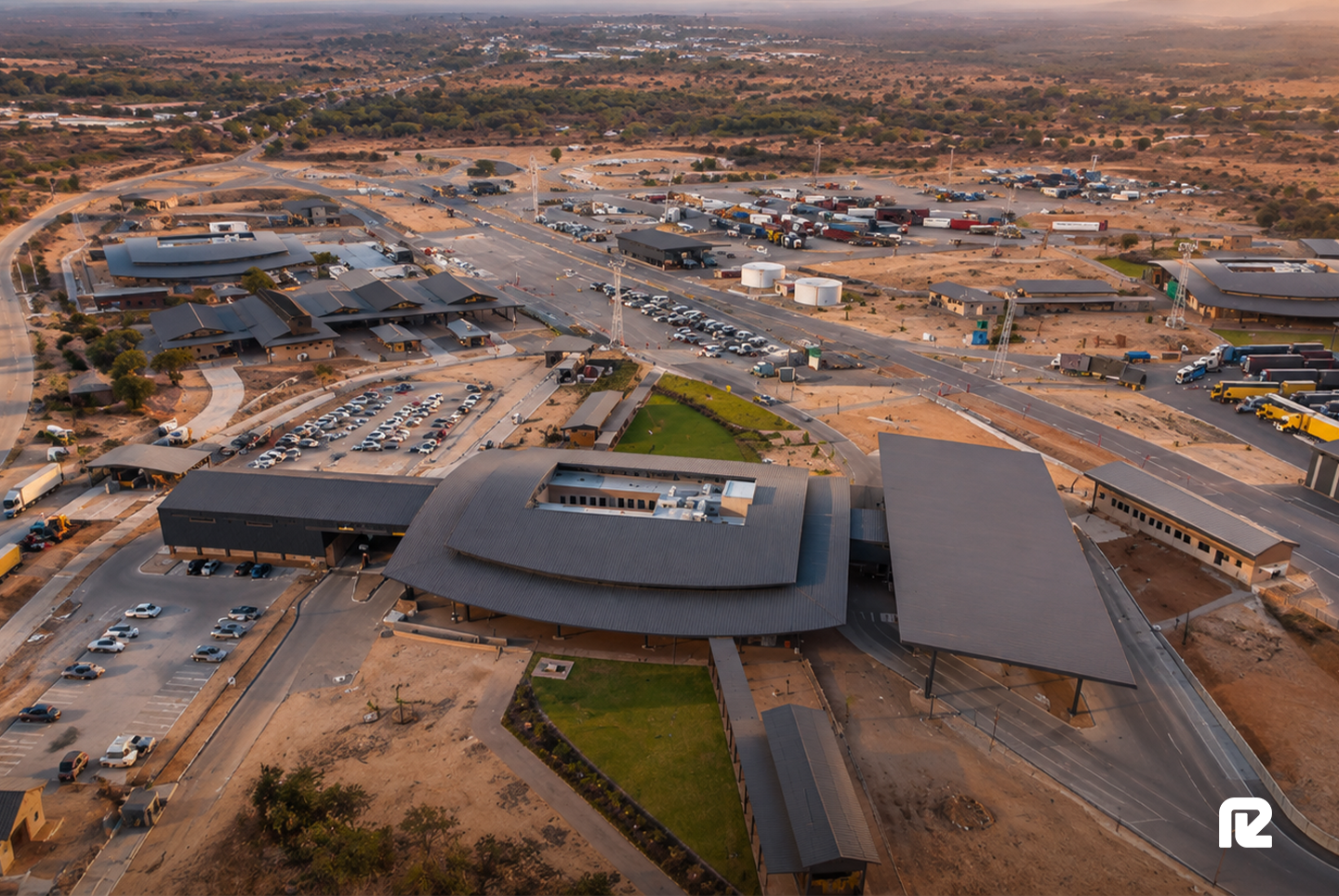
Kasumbalesa is the primary land crossing for the DRC's mining heartland, feeding Lubumbashi and Kolwezi directly. For cargo staying in the DRC rather than passing through in transit, that means full import clearance rather than the transit procedures that apply to bonded cargo moving toward the Copperbelt without stopping.
On the DRC side, that clearance runs through GUICE, the country's single window for foreign trade, which is mandatory for every import, export, and transit transaction regardless of transport mode. An importer opens a Shipper Import File in GUICE carrying the commercial invoice and supporting documents, and the appointed forwarder uses that file to complete the customs declaration in SYDONIA WORLD, the system DGDA uses to process and liquidate the entry.
That process changed in practice at the end of 2025. An interministerial circular dated December 17, 2025, made electronic transmission of the full document set between GUICE and SYDONIA WORLD mandatory rather than optional, replacing paper submission. The rollout reached Haut-Katanga and Lualaba, the two provinces covering the DRC Copperbelt, in the second half of January 2026, ahead of a full national mandate from mid-February. An import file for equipment or consumables headed to Lubumbashi or Kolwezi now has to go through this electronic process rather than the paper-based route that applied before.
A Kasumbalesa crossing guide reports that ZRA processing on the Zambian side moves faster than DGDA on the DRC side, often the slower and less predictable half of the crossing. Alongside the GUICE and SYDONIA WORLD filings, the crossing requires:
● A commercial invoice and packing list, declared in USD
● A waybill
● A ZRA declaration on the Zambian side
● A COMESA Certificate of Origin, where preferential tariff treatment applies
Even with clear route planning and a documented customs process, it’s still possible to run into problems. Several factors can disrupt inbound freight, and planning needs to take these into account.
• Kasumbalesa congestion. Wait times at the crossing run from a day or two on a quiet day up to a week during peak copper and cobalt export periods, and inbound cargo queues behind the same backlog as everything else moving through Kasumbalesa.
• Document errors. Mandatory electronic filing between GUICE and SYDONIA WORLD leaves less room for a mismatched invoice or an incomplete Shipper Import File to get corrected on the spot instead of rejected outright.
• Permit issues. Fuel and bulk chemical shipments need permits and inspections under South Africa's SANS 10228 series before they leave, on top of whatever the DRC requires at the crossing. A gap in either set of paperwork stops the tanker at the border.
• Truck availability. Inbound cargo paired with a truck's backhaul depends on that truck being free at the right port at the right time. When the timing slips, the shipment waits for a truck instead of a route.
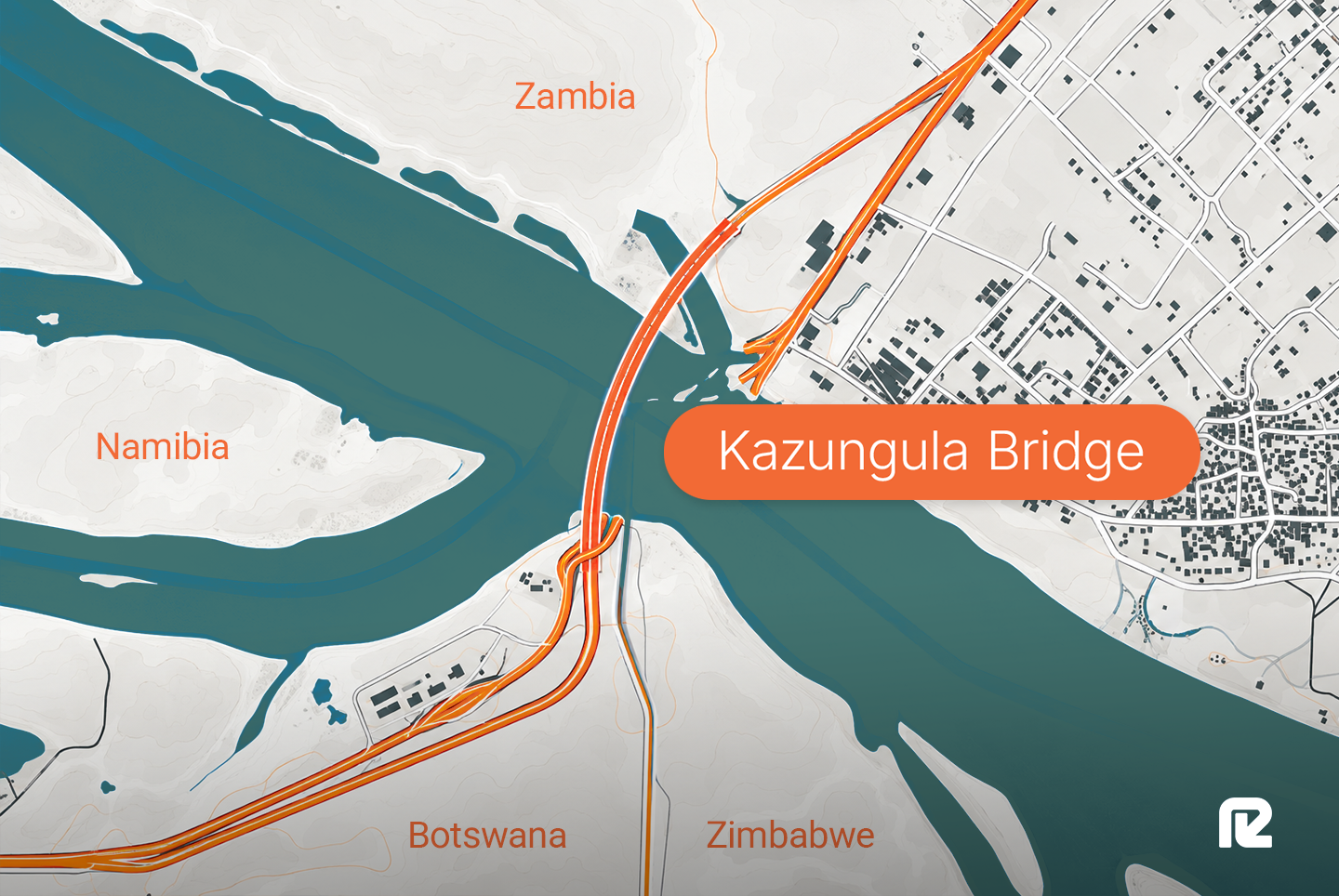
• Seasonal disruptions. Rain damage to bridges and roads along the corridor can cut off the route entirely. A bridge collapse south of Kasumbalesa in March 2026 forced transporters onto the Mokambo and Sakania crossings until repairs were made.
• Delayed customs clearance. DGDA processing volume fluctuates with the season, and a spike in import files during peak trade periods can leave cargo sitting well after ZRA has already cleared its side of the border.
• Fuel tanker constraints. Tankers and drivers certified to carry dangerous goods under SANS 10228 make up a smaller pool than general freight capacity, so a shortage of compliant vehicles can hold up fuel and chemical shipments even when the route itself is clear.
Delayed export cargo costs time and money, but a mine can often absorb a few days of schedule slip on an outbound shipment. Delayed fuel or processing consumables are different: a generator that runs out of fuel, a leach plant that runs short of acid, or a mill that runs out of grinding media or liner bolts stops production, not a delivery.
Substitution is harder on the inbound side too. A buyer of copper cathode can often accept a shipment a few days late without changing what they receive, but a processing plant specified around a particular reagent or grinding media grade cannot always switch to whatever is available locally on short notice, so a stockout does more damage than a comparable delay on the outbound side.
That changes how inbound freight gets scheduled. Coordinating it with trucks already running the corridor on their way back from an export delivery reduces the number of additional trips needed and keeps costs down, but it only works if that pairing is planned from the point cargo enters the region, not left until it reaches the Copperbelt.
Getting equipment and consumables to the Copperbelt is only the inbound half of this corridor. For cargo that clears through bond in Zambia before continuing across the border, Zambia's bonded warehousing rules and the choice between transit and import clearance cover the decisions that shape the Zambian side of the same route.
That difference between a stopped production line and a delayed delivery is what should drive Copperbelt inventory planning too. A few adjustments account for it:
• Safety stock. Reagents, grinding media, and fuel need a larger buffer than a straightforward reorder cycle would suggest, sized to cover the longest, realistic delay at Kasumbalesa rather than the average one.
• Reorder points. Triggering a new order based on average lead time works for cargo with a stable transit history. Inbound freight on this corridor needs a reorder point built around the worst transit time seen in recent months, not the median.
• Lead-time variability. Wait times at Kasumbalesa swing from a day or two to a week during peak export periods, and that range has to feed directly into how far ahead a mine places its inbound orders rather than getting treated as a rounding error.
• Critical spare parts. Crusher liners, mill liner bolts, and other parts that wear down during normal operation carry a different risk profile than general consumables, since a shortage stops a specific piece of equipment rather than just tightening the schedule. These typically warrant their own stocking policy, separate from bulk fuel and reagents.
• Consumable forecasting. Fuel and reagent usage tracks processing throughput closely enough that forecasts built on planned mill output tend to hold up better than forecasts based on past order history alone, particularly when throughput is changing.
The inventory management principles that apply across logistics generally still apply here, but what differs on this corridor is the consequence of getting it wrong. A stockout halts production rather than delaying a shipment, and a Copperbelt mine's planning numbers should be built around that risk.