Beitbridge: Southern Africa's Busiest Border Post
September 1, 2026
Read the story
Please submit your details below and one of our logistics experts will reach out within one business day. Thank you.

For companies moving cargo between South Africa and the rest of Southern Africa, few logistics chokepoints are as important as Beitbridge.
Every day, more than a thousand trucks carrying consumer goods, mining equipment, agricultural products, and industrial freight pass through this crossing. When congestion builds, it adds cost and delay across supply chains from Johannesburg to Lubumbashi.
In this article, we'll look at why the crossing carries so much traffic, what causes delays there, what a major infrastructure upgrade changed, and how to plan a crossing around current conditions.
Beitbridge sits on the North-South Corridor, the main road route connecting South African ports to the landlocked markets further north.
More trucks cross Beitbridge every day than at any other border post in the region. It is the only official road crossing between South Africa and Zimbabwe, which means it also carries onward traffic into Zambia, the DRC, and Malawi.
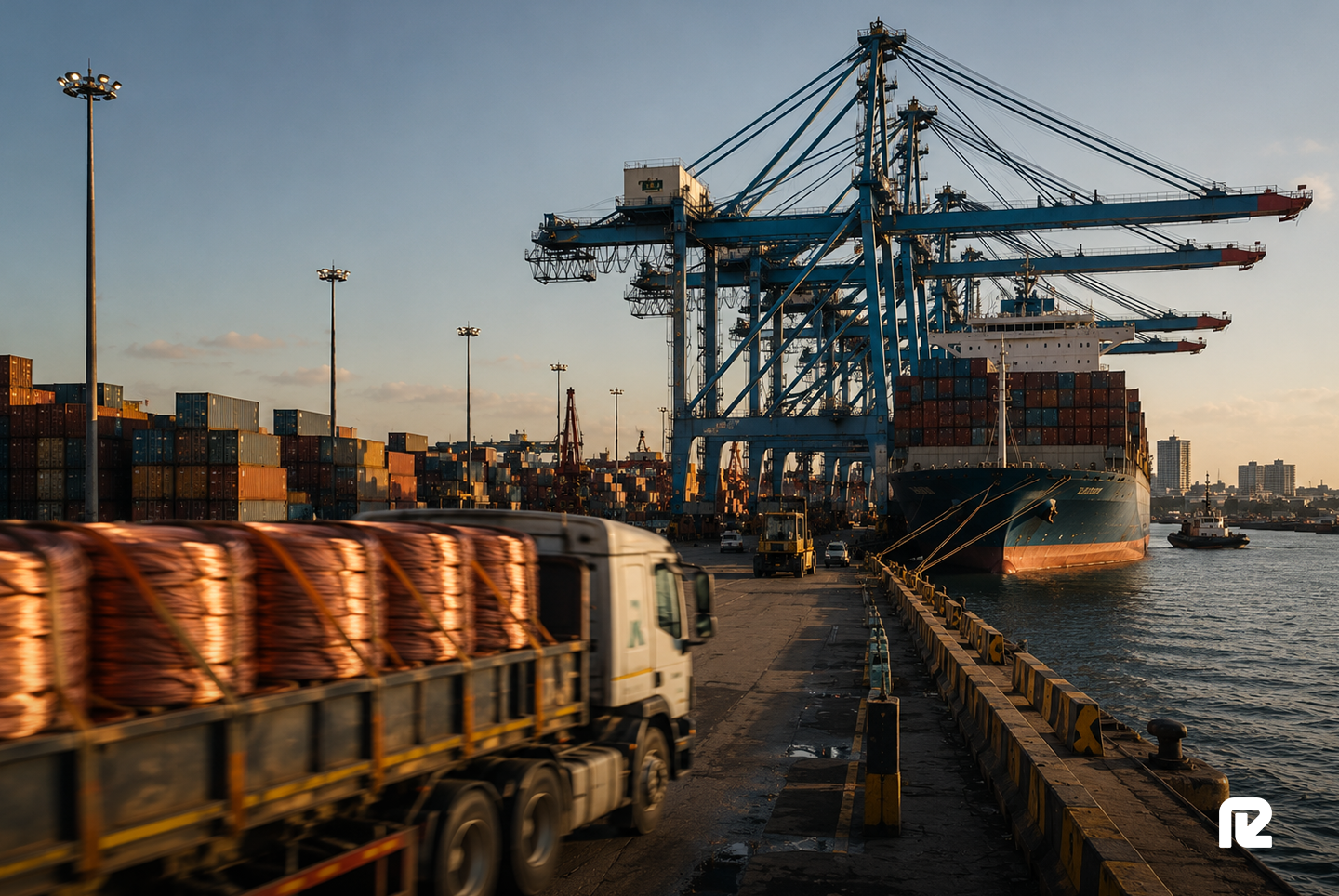
That includes a wide mix of cargo. Consumer goods, vehicles, and general freight move north into Zimbabwe and beyond, while copper from Zambia and the DRC and lithium from Zimbabwe's newer mines move south towards South African ports for export. Passenger traffic runs alongside all of it: travellers, cross-border traders, and commuters cross daily in numbers that regularly reach tens of thousands during peak periods.
No other border post in the region combines this volume with such a strategic role. Chirundu and Kasumbalesa each serve a single corridor further north, while Beitbridge is the gateway through which nearly all of that traffic must first pass.
That combination of scale and position means its performance has an impact well beyond the border itself. It has also made keeping the crossing running smoothly a persistent challenge.
Delays at Beitbridge are generally caused by a range of underlying structural problems that tend to surface together.
Institutional duplication is one of the longest-standing issues. Customs, immigration, and policing each run their own systems, and disparate processes operating in silos have historically meant that a shipment cleared by one authority must still work through the next process from scratch, rather than being handled through a single, coordinated clearance process.
Physical constraints add to the problem. A single bridge carries all traffic across the Limpopo; trucks and buses often share the same lanes; and parking on both sides has struggled to keep pace with traffic volumes.
When Zimbabwean authorities explained a recent backlog, they identified these exact issues: limited parking space, abnormal-load vehicles occupying bays intended for other trucks and clearing agents processing cargo more slowly than required by the volume of traffic.
Any delays caused by these issues carry a direct cost:
• Additional transport costs. Every extra hour at the border adds to the trip's cost, since the truck and driver are on the clock without moving additional cargo
• Fuel consumption. Fuel keeps burning while the truck sits, particularly for reefer units that must keep engines running to protect the load
• Driver detention. Once a truck exceeds the waiting period set out in its contract, detention charges apply and accumulate for as long as it sits at the border
• Inventory delays. Cargo scheduled to reach a warehouse or factory on a set date arrives late, disrupting production and stock planning on the receiving end
• Export scheduling issues. Bookings tied to a fixed vessel or rail departure can be missed outright, pushing the shipment onto the next available slot and adding storage costs while it waits
• Customer service impacts. Companies have to manage their own customers through the delay, explaining late deliveries and adjusting commitments made assuming the crossing would go as planned; repeated or severe delays also erode customer trust, which can push future business toward competitors or alternative routes
The most significant attempt to fix these underlying causes is a major infrastructure overhaul that has reshaped the crossing over the past several years.
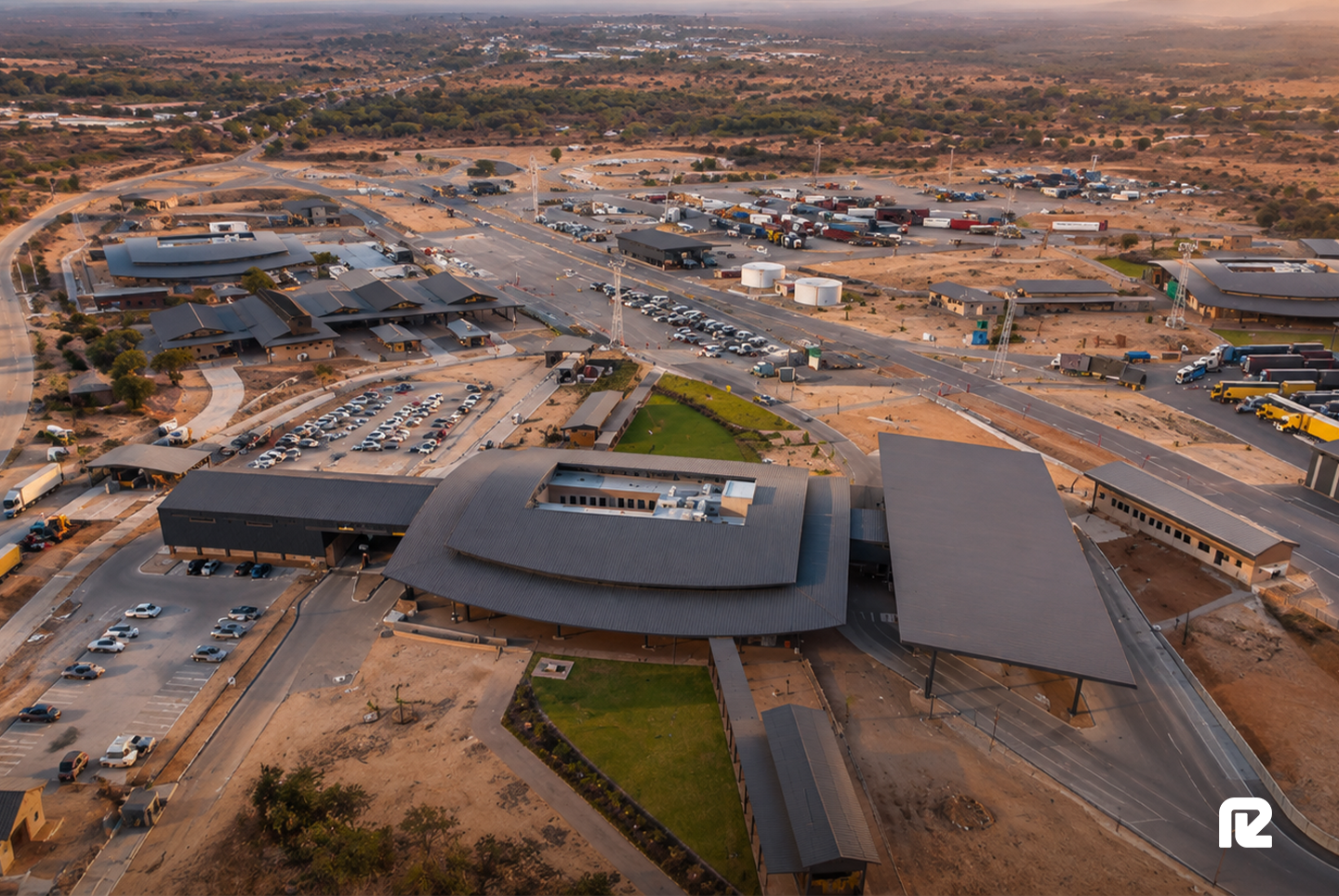
A $300 million redevelopment, structured as a 17.5-year public-private partnership between the Zimbabwean government and the Zimborders Consortium, rebuilt the crossing from the ground up.
Under the concession, Zimborders recovers its investment through border user fees over the life of the agreement and will transfer the completed infrastructure to the government when the concession ends. This model gives the operator a direct financial stake not only in building the border facilities, but also in keeping them running efficiently.
The results are tangible. Up to 60% of commercial cargo now clears in under three hours, at a crossing once known for queues stretching for kilometres and waits running into days. That represents a genuine improvement in the border's capabilities.
Capability and current performance aren't always the same thing, though, which is worth checking against recent data.
During the week of 20–26 July 2026, average crossing times at Beitbridge rose by 25% week on week, reaching 46 hours, according to the RSA Corridor Pulse Report. Worst-case waits approached four days, while congestion limited the amount of traffic that could be rerouted through Botswana.
Beitbridge's congestion didn't happen in isolation. Other crossings on the same corridor were dealing with their own constraints:
• Beitbridge: average crossing time rose 25% week on week to 46 hours during July 20–26, 2026, with worst-case waits near four days, according to the RSA Corridor Pulse Report
• Kasumbalesa (Zambia-DRC): average crossing times exceeded 100 hours around the same period, according to a TMA-commissioned corridor review from July 2026
• Chirundu: typical crossing times range from a few hours on a quiet day to up to 36 hours at month-end or during copper-export peaks.
Parking constraints, clearing-agent capacity, and coordination gaps between agencies continue to determine how long it takes to pass through Beitbridge.
Authorities attributed this spike specifically to parking constraints and the speed at which clearing agents processed cargo. This points to operational strain that can resurface at any time, rather than a predictable seasonal event tied to a fixed calendar.
That gap between best-case performance and current conditions is what a transport plan needs to account for.
Build in a timing buffer regardless of the border's reputation. A crossing capable of clearing cargo in three hours can still take much longer when congestion builds, and a schedule based on the best-case scenario will fail as soon as conditions change.
Ensure documentation is complete before the truck arrives. The speed of clearing agents has contributed to recent delays, and complete, accurate paperwork reduces the likelihood of queries or corrections. This is one of the few variables within a trader's control at a crossing where most other causes relate to infrastructure and agency coordination.
Beitbridge's condition changes enough from week to week that planning around it benefits from someone tracking it continuously, not just at the point a shipment is booked.
A transport partner with up-to-date visibility of border conditions can build a schedule that accounts for current conditions and adjusts when circumstances change.