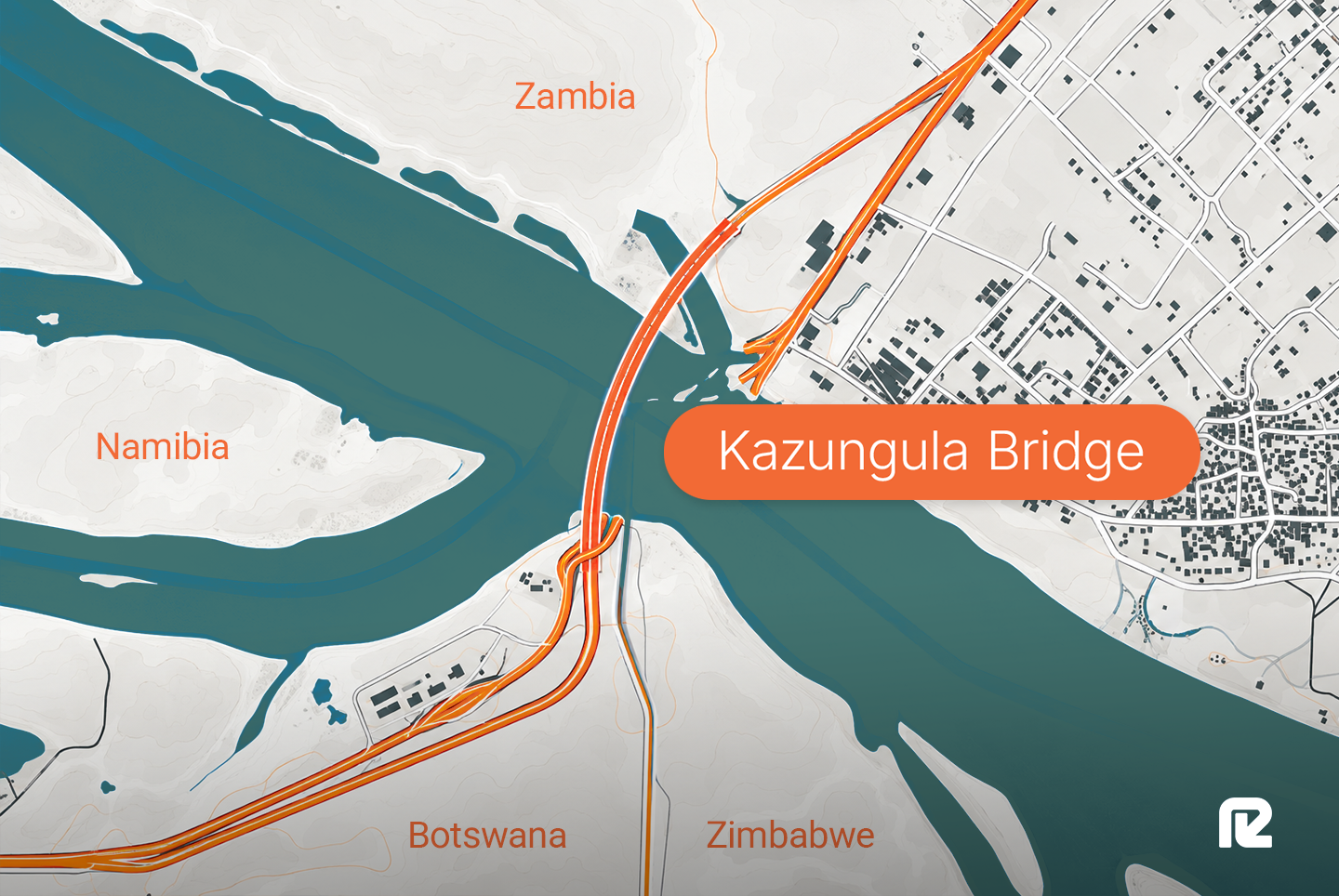
Kazungula Bridge: What It Means for Zambia-Bound Freight
September 15, 2026
Read the story
Please submit your details below and one of our logistics experts will reach out within one business day. Thank you.
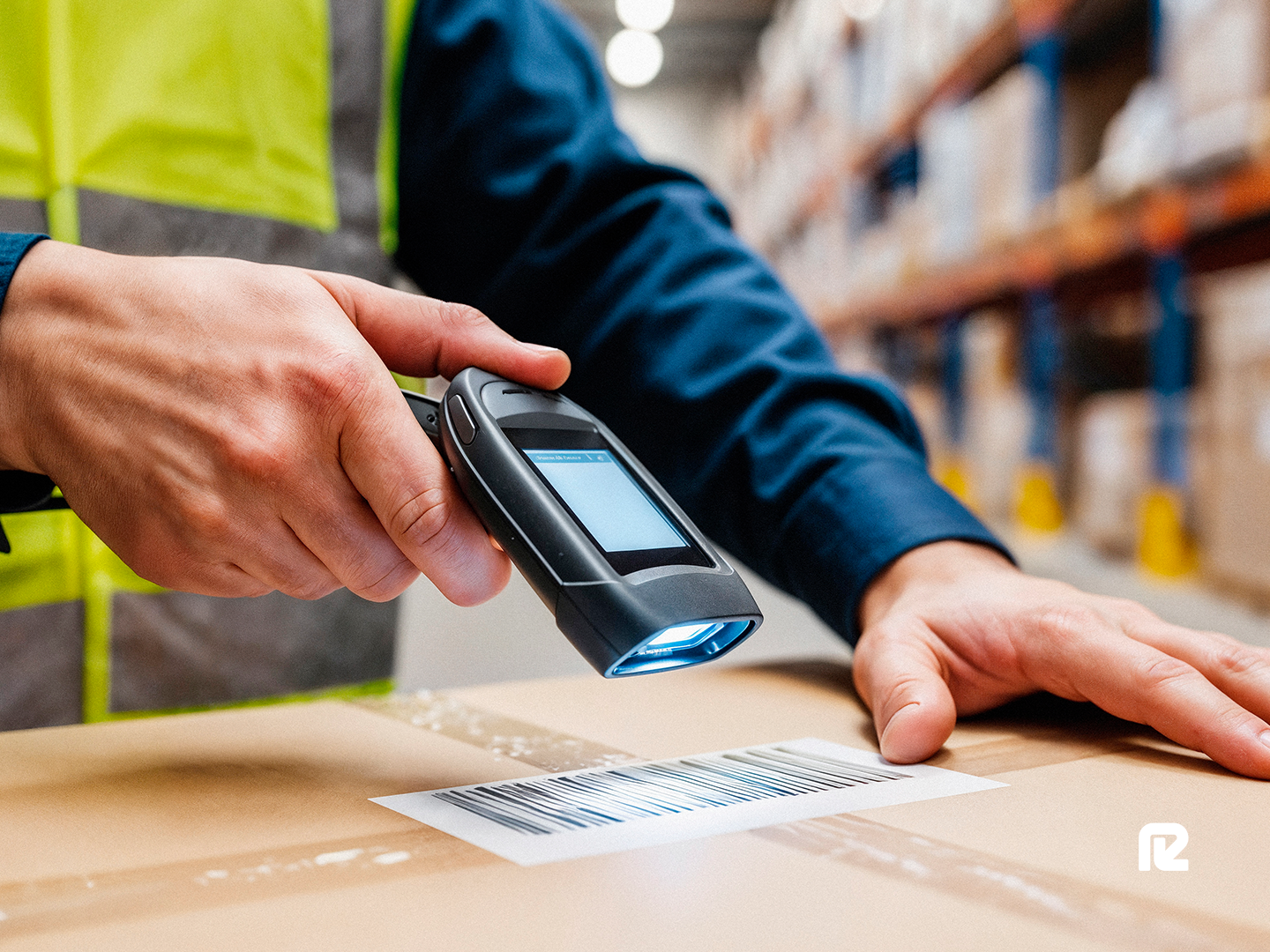

Harmonized System (HS) codes determine how goods are taxed, if they are subject to restrictions, how quickly they clear customs, and how much risk a shipment carries at the border. Despite the importance of HS codes, they are often overlooked and treated as a minor administrative step.
HS codes influence landed costs, affect eligibility for free trade agreements, trigger inspections, and shape how customs authorities assess risk. A single HS code classification error can delay cargo for days, result in duty payments, or expose a business to penalties and audits.
This article explores HS codes from a practical logistics perspective, explaining how they work and how businesses can manage them more effectively.
Harmonized System (HS) codes are standardized codes used to classify products and cargo in global trade and shipping. HS codes are all created and maintained by the World Customs Organization (WCO), providing a common and easy to understand international language for describing the types of goods being transported.
An HS code tells customs authorities exactly what a product is, so they are able to assess and apply duties, import and export controls, and enforce regulations consistently. If these codes were not applied internationally, and instead each country had an individual system, there would be constant confusion leading to delays.
Harmonized system codes also play an operational role, affecting:
• Duty and tax assessment, including preferential rates under free trade agreements.
• Customs clearance speed, since accurate codes reduce hold and inspections.
• Regulatory compliance, because some products require licensing, quotas, or special permits depending on code.
• Supply chain strategy, where misclassification can inadvertently forfeit tariff benefits or trigger additional controls.
An HS code essentially translates a product’s identity into a number recognized and enforceable by customs authorities worldwide.
HS codes determine whether goods require permits, inspections, certifications, or additional documentation. They also shape how customs authorities prioritize risk and enforcement.
From a shipper’s perspective, HS codes affect three critical areas: cost, speed, and compliance risk. A correct classification supports smooth clearance and predictable costs, whereas an incorrect one can cause delays, unexpected charges, and regulatory scrutiny.
- Customs authorities rely on HS codes to apply tariffs and enforce regulations.
- Freight forwarders use them to prepare declarations and advise clients on compliance. Importers and exporters depend on them to calculate landed costs and qualify for preferential trade agreements.
- Governments can use HS data to analyze trade flows and help set up policies.
Harmonized system codes depend on the cargo’s material, function, and intended use. Even small differences in design or application can lead to completely different classifications and duty outcomes.
Official customs tariff schedules, WCO explanatory notes, and national customs databases are the most reliable sources. While online HS lookup tools can be helpful, they should not replace proper classification analysis for commercial shipments.
For more complex and high-value goods, classifications often require technical specifications and supplier documentation. Businesses can also request advanced tariff rulings from customs authorities to get the right HS codes confirmed before the shipping journey starts. This reduces the risk of adding the wrong code to cargo and ending up with delays.
The table below includes just a few examples of how HS codes apply across some common cargo categories:

Note: The full list of harmonized system codes is much broader and more specific than what is included here. However, these reflect the global structure of HS codes.
The harmonized system is organized in a, well-structured way, starting with broader product chapters, and then becoming narrower when getting into subcategories. Let’s take an example classification of a smartphone:
The process begins at the Chapter level and smartphones fall under chapter 85 for electronics and electrical machinery.
From here, the process moves to the Heading level. Within Chapter 85, smartphones are classified under the Heading 8517. This has narrowed down the cargo type significantly, separating the smartphones from other electronic equipment that is part of the same Chapter.
The classification narrows further, adding a point to the heading level, for example 8517.12 identifies phones for cellular or wireless connections.
Some individual countries may add additional digits for applying local tariffs, controls, or tracking. While this will change depending on the specific country's code, the first 6 numbers discussed above always remain the same, ensuring international consistency.
While the first six digits are universal, countries often extend them to reflect those local requirements we briefly discussed. The table below shows how different jurisdictions modify HS codes for their own systems:

Certain products present classification challenges due to their complexity or composition:
Products sold as sets must be classified according to specific rules, often based on the component that gives the set its essential character.
Textiles are among the most complex categories due to variations in fibre content, fabric construction, and garment type.
Machinery, electronics, and chemicals often require expert classification because minor technical differences can shift classification entirely.
Customs authorities rely heavily on HS codes to determine how goods should be treated, when a classification does not align with the physical cargo, it typically triggers intervention.
When the declared HS code does not match the product’s characteristics, customs systems flag the shipment for manual review. This can include document checks, physical inspections, or requests for additional information. While these additional checks take place the cargo has to remain at the port or border facility and can then accrue storage, demurrage, or detention charges.
If it is decided that the cargo was misclassified, then the shipment needs to be redeclared under the correct HS code which then usually changed the duty rates or tax amount, leading to a change in the total landed cost.
These disruptions can affect the entire supply chain as delayed goods can miss production schedules or contractual delivery deadlines. Those indirect costs, which could include a loss in sales and rework costs, can even exceed the additional duties or penalties applied.
Most of the time, incorrect HS codes arise from incomplete product descriptions or minor changes to product functions which shift the correct code case. This is why it’s important to treat HS classification as a moving process that is liable to change quickly and should be reviewed when products are updated, suppliers change, or new markets are tested.
The HS system evolves to reflect changes in global trade, and major revisions are updated about every 5 years. When these codes are updated, businesses need to review the new classifications, update their systems, and retrain teams accordingly, so everyone stays on the same page and mistakes are avoided.
HS codes must appear accurately and consistently across all trade documentation to avoid delays and additional holding fees. Key documents requiring HS codes include:
Commercial Invoice: The HS code appears alongside each line item, linking the product description to its classification. This document serves as the primary reference for duty assessment, so the HS code must align precisely with the product characteristics described.
Packing List: Packing lists often include HS codes to help customs officers match physical goods to declared classifications during inspections.
Customs Declaration Forms: These forms require HS codes as mandatory fields. If there are missing or incorrect codes that will prevent submission or trigger immediate rejection.
Certificate of Origin: For shipments claiming preferential duty rates under free trade agreements, the HS code must match the specific product categories eligible for benefits under that agreement.
Bills of Lading and Air Waybills: Freight documents increasingly require HS code information, particularly for advance cargo screening and security programs.
Businesses that treat HS classification as a strategic function rather than an administrative task are better equipped to avoid delays, manage duty exposure, and maintain regulatory confidence.
Reload Logistics supports clients by helping them navigate HS code classification, documentation, and compliance requirements as part of a broader logistics strategy. By partnering with Reload Logistics for HS code classification, businesses gain a strategic advantage in managing cross-border trade efficiently, cost-effectively, and with confidence in regulatory compliance.
Contact Reload Logistics to discuss how our classification and compliance services can support your international shipping operations.
A standardized numerical code used to classify goods in international trade. It’s a globally recognized six-digit classification maintained by the WCO.
Through national customs tariff schedules, WCO tools, or expert consultation.
Yes, all trading nations use the HS system as a foundation.
Customs authorities, exporters, importers, freight forwarders, and regulators.