AfCFTA and Customs Reality: What Free Movement of Goods Requires at the Border
October 19, 2026
Read the story
Please submit your details below and one of our logistics experts will reach out within one business day. Thank you.
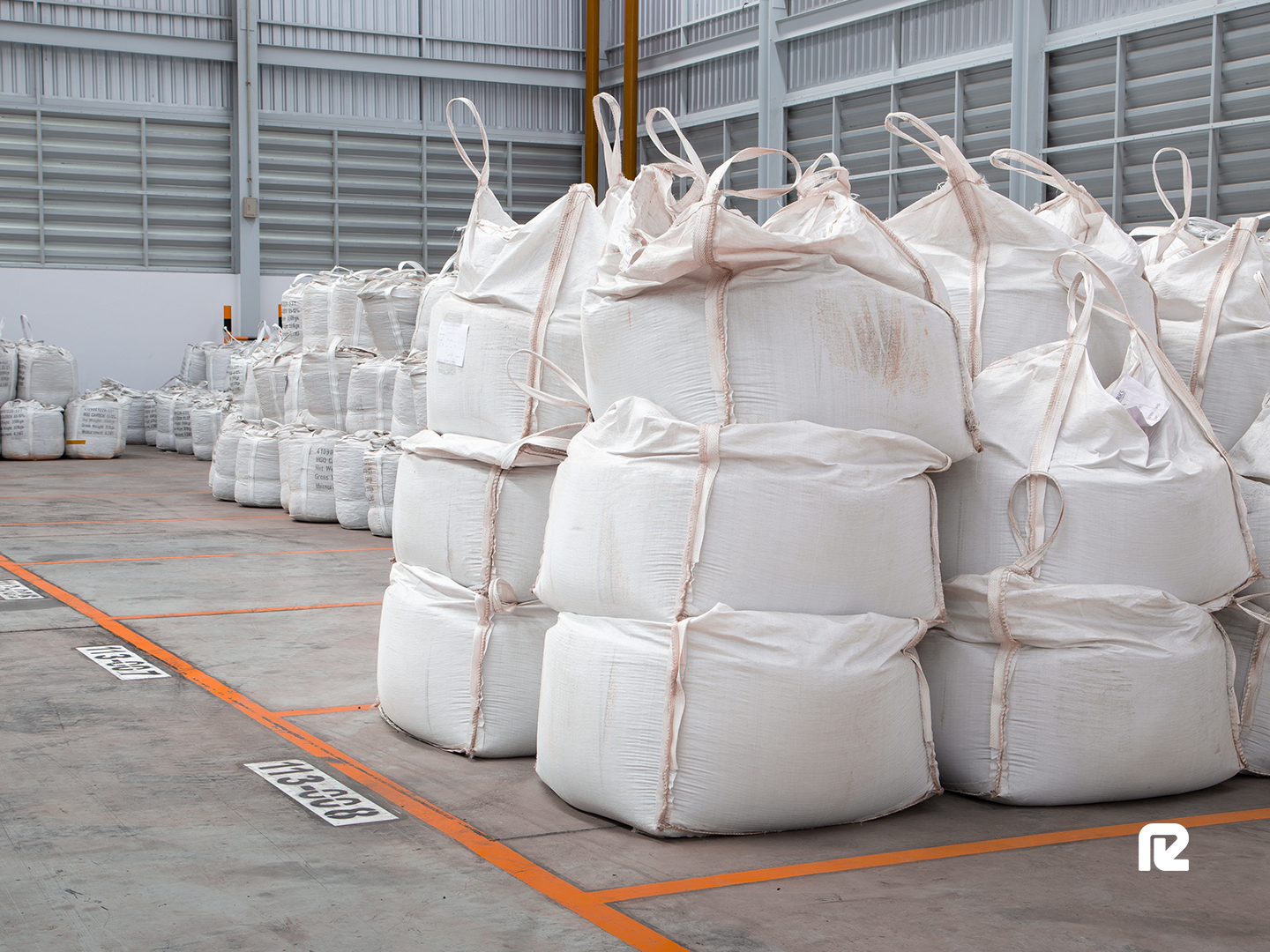

It’s common that people associate consolidation and deconsolidation with simple container loading and unloading, but the reality of this process can be far more strategic.
Consolidation and deconsolidation influence carrier relationships, scheduling, risk exposure, warehouse operations, and the long-term competitiveness of an entire supply chain. Understanding how these really work, as well as when to use them, helps manage operating costs and deliver a more resilient supply chain.
This article takes a look at freight consolidation and deconsolidation, types of models, and how businesses can use these practices to design more productive logistics flows.
Freight consolidation refers to the process of combining multiple individual shipments into a single, larger load so that they move together through the supply chain. This can include shipments that come from different suppliers, or the same. Usually consolidated shipments are destined for the same warehouse or distribution center.
Shipments ideal for consolidation are usually on the smaller side and on their own are too small to justify taking up an entire container or truckload. By combining these cargo shipments into one larger load, companies are able to share the cost of transportation across an optimized routing plan.
Consolidation is a carefully managed sequence of receiving cargo, inspecting and grouping it, selecting the right container type, planning the load, and organizing documentation. This process stabilizes shipment budgets and minimizes waste across the logistics chain.
As consolidation is the combination of shipments, freight deconsolidation is the opposite; the unpacking of a consolidated load into its individual parts to go onwards to individual consignments. Deconsolidation usually happens at ports, warehouses, container freight stations, or regional logistics hubs.
When a consolidated container arrives, warehouse teams break down the load, scan or enter each parcel into the warehouse management system, complete the necessary customs procedures, and prepare shipments for onward distribution.
This deconsolidation process typically happens when cargo from multiple shippers share a container, usually in less than container shipping, and determines which parcels need to be fasted tracked for delivery, and which need to remain in storage.
Deconsolidation speeds up distribution by allowing goods to be released to customers immediately after unpacking. It also reduces warehouse congestion by streamlining how cargo is sorted, labelled, and staged for dispatch. A well-run deconsolidation process prevents bottlenecks, supports faster border clearances, and ensures that each shipment follows the correct route to its destination.
Freight forwarders play a central role in both processes. Their responsibilities typically include:
• Coordinating cargo pickup from multiple suppliers
• Managing cut-offs, documentation, and compliance
• Packing freight optimally into containers or trucks
• Selecting suitable routes, carriers, and load plans
• Managing the transfer of cargo at consolidation and deconsolidation hubs
• Handling customs procedures at both origin and destination
In essence, freight forwarders orchestrate the entire consolidation shipment process, ensuring efficiency, security, and regulatory compliance at every step.
Businesses consolidate shipments for a combination of economic, operational, and strategic reasons, costs being the main driver. As fuel prices change and carriers adjust their pricing models , shipping partially filled containers becomes unsustainable. Consolidation allows companies to share costs with other shippers while still maintaining service quality.
Another positive of consolidating shipments is for better inventory management. When purchase orders are small, or suppliers operate on varying production timetables, consolidation helps keep shipments moving instead of waiting for full loads. This reduces lead times and creates a more predictable flow throughout the supply chain.
Freight consolidation takes several forms depending on transport mode, shipment size, and the logistics strategy employed by the shipper. Below are some of the most common types of freight consolidation:
Less than Container Loads are used when multiple shippers’ cargo is combined into one container because none of those shippers have enough volume to fill the container themselves. This is an especially common occurrence for:
• SMEs exporting to new markets
• Importers sourcing from multiple suppliers
• Businesses with small or irregular shipment volumes
Freight forwarders carefully plan loading based on cargo type, weight distribution, destination, and customs requirements to ensure that the container is both safe and compliant.
Less than truckloads apply to road transport. Instead of dedicating an entire truck to a partial shipment, multiple loads are consolidated onto one vehicle to save time and space.
This model is useful for:
• Regional distribution
• Inter-warehouse transfers
• Domestic deliveries requiring efficient scheduling
LTL optimization can significantly reduce inland freight costs and carbon emissions.
Even when a shipper fills the entire container or truck, consolidation principles still apply. Companies may consolidate:
• Multiple small orders into one large outbound shipment
• Goods from several manufacturing plants into one consolidated load
This ensures better planning, fewer touchpoints, and reduced transport spend across the supply chain.
Some supply chains require cargo to be balanced across different carriers to mitigate risk or optimize routing. Multi-carrier consolidation can involve:
• Using two or more carriers for reliability
• Combining road transport routes for faster cross-border movement
• Mixing air and sea shipments for time-sensitive cargo
Freight consolidation creates multiple strategic advantages, particularly when managed by an experienced logistics provider.
Transport is often the single largest component of supply chain spend. Consolidation reduces costs by minimizing empty space (dead freight), using optimized routing, and sharing container space across multiple shippers. In some regions, consolidation is one of the only ways to stay competitive with pricing because of high inland transportation costs.
Consolidation helps strengthen relationships with shipping lines and trucking partners, secure better bargaining power for future movements, and reduces last-minute bookings and urgent freight requests.
Although consolidation adds an initial step, the overall transit can often be faster as consolidated shipments move on fixed schedules and containers to avoid delays from under-utilized loads. Consolidation also reduces the need for multiple pickups or partial truckloads, speeding up the entire logistics process.
Businesses gain more predictability through regular consolidation cut-off schedules, timetabled and predictable departures, and clear tracking and documentation for all cargo.
Like any logistics strategy, consolidation also has some trade-offs and disadvantages. As there are more involved parties, there is more touch points, documentation, handling, higher risk of delay or miscommunication, and an increased need for coordination.
To mitigate these risks, logistics providers tend to implement strategies such as:
• Careful load planning, especially with incompatible cargo
• Surveillance and security monitoring in consolidation hubs
• Advanced cargo tracking systems
• Clear labelling and documentation
• Thorough vetting with carriers
LCL consolidation follows a structured flow. Firstly, cargo arrives at the warehouse from all the different shippers involved; this is where it is inspected, weighed, labelled, and enters into the system. Warehouse teams then group shipments by destination and route, ensuring that compatible cargo types are loaded together.
Load planners are responsible for designing the optimal container layout, balancing weight distribution, and making sure fragile goods are protected. Once the container is packed and sealed, the freight forwarder prepares the master bill of lading and any other documentation before dispatching the container to the port.
The quality of this process directly influences the speed and reliability of the entire supply chain.
Efficient consolidation reduces the number of unnecessary trips, provides stronger inventory flow, and increases customer satisfaction by improving lead times all while companies are able to maintain a flexible and resilient supply chain.
Partnering with an experienced logistics provider can transform how effectively consolidation works. Reload Logistics offers end-to-end consolidation and deconsolidation services across Southern Africa, supported by strategically located warehouses, strong cross-border capabilities, and decades of regional expertise.
Reload is dedicated to supporting their clients reduce costs and improve predictability, while improving the efficiency of their supply chains.
Speak to our team about a consolidation strategy tailored to your operational goals.
Deconsolidation means breaking down a consolidated, or combined, shipment into its individual consignments so each can move to its destination.
Consolidation combines multiple smaller shipments into one larger load, while deconsolidation separates that load back into individual shipments upon arrival.
Common methods include Less than Container Loads (LCL), Less Than Truck Load (LTL), and multi-carrier strategies.
To reduce transportation costs, improve route efficiency, and enhance scheduling and reliability across the supply chain.
Cargo receipt, inspection, grouping, load planning, container packing, documentation, and dispatch.
Combining goods from multiple suppliers into one container bound for a central distribution hub.