Beitbridge: Southern Africa's Busiest Border Post
September 1, 2026
Read the story
Please submit your details below and one of our logistics experts will reach out within one business day. Thank you.
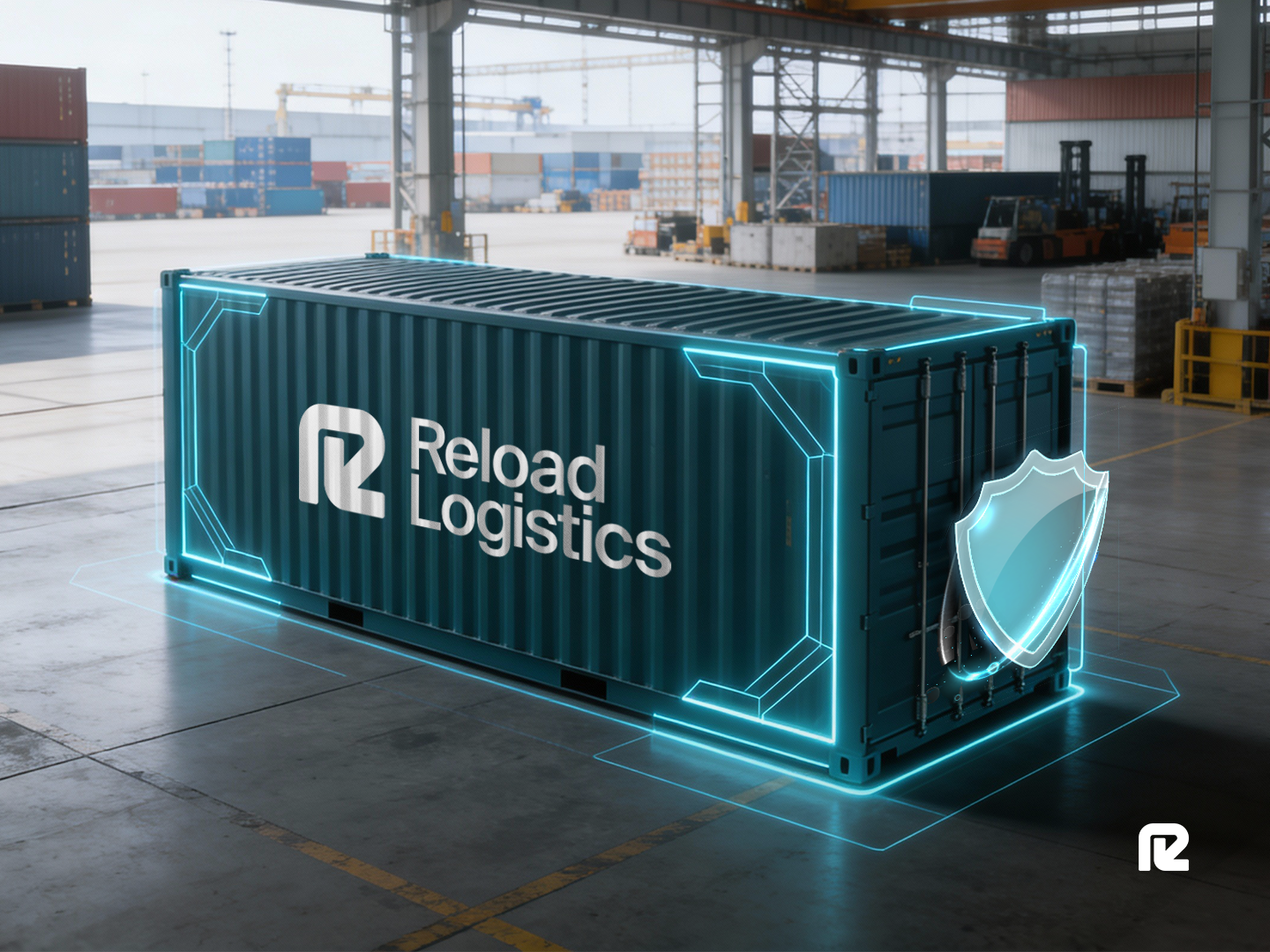

Cargo moves through a vast network of ports, warehouses, and border authorities long before reaching its final destination, with every step in that journey including a degree of risk. Cargo may be damaged, mishandled, or exposed to weather, making cargo insurance critical.
While many companies assume that carriers automatically protect their goods, the reality is very different. Carrier liability is limited, conditional, and often far below the actual value of the shipment. Comprehensive cargo insurance bridges that gap, giving businesses financial protection and peace of mind.
Having the right insurance coverage can mean the difference between a manageable setback and a significant financial loss. This article explores how cargo insurance works, what it covers and excludes, and how businesses can choose the right type of policy.
Cargo insurance compensates shippers or consignees financially when goods are lost or damaged during transit. While carriers have obligations under international conventions and transport laws, their liability is restricted to specific monetary limits per kilogram or per package, often far below the value of commercial goods. Cargo insurance shifts the financial risk away from shippers and importers by ensuring that if an incident occurs, they can recover the full insured value of the goods.
In global trade, cargo insurance often aligns with Incoterms. Under some Incoterms (such as CIF), the seller is obligated to arrange insurance, while under others (such as FOB or EXW), the buyer typically bears the responsibility. Regardless of who purchases the policy, the objective is to protect goods throughout their journey across sea, air, road, or rail.
Cargo insurance policies vary widely depending on the nature of the shipment, frequency of transport, and level of risk involved. The following are the most common categories used in international logistics.
This is the most comprehensive form of cargo insurance coverage. While it doesn’t literally cover against every possible event, it does offer a broad protection against most of the most common shipping related issues including damage from improper handling, impact, loss overboard, theft, non-delivery, and weather or environmental events.
Those shipping high-value or fragile goods mostly use all risks cargo insurance coverage as it provides the widest safety net. Many insurers that offer this type of coverage require goods to be new, properly packed, and shipped under standard conditions for the coverage to apply.
Named Perils coverage, also known as FPA (Free of Particular Average) or specific risk insurance, is more restrictive than All Risks, only covering events explicitly listed in the policy which can include fire, sinking vessel, collisions, or general average. Named Perils coverage often excludes a lot of other common risks like theft and rough handling and is usually chosen for lower-value shipments.
This is a one-off policy that has to be purchased for a specific shipment and is ideal for those businesses that ship infrequently, or for consignments that require more unique coverage, like for oversized project cargo.
Open Cover insurance allows businesses to operate under a continuous agreement that automatically covers all cargo movements within a specific time period, instead of having to arrange cargo insurance for each individual shipment. This reduces the amount of admin work and ensures uninterrupted protection as well as often providing more favorable pricing when compared to other insurance policies.
This is to insure all shipments being made within a 12-month period, best suited for companies with regular shipping patterns, allowing for stable insurance coverage and streamlined processes.
Depending on the type of cargo insurance being used by the shipper, it can cover a wide range of risks. Standard coverage generally includes loss or damage caused by:
• Accidental impacts, collisions, or overturning
• Theft
• Non-delivery
• Rough handling at ports or terminals
• Environmental factors
Coverage typically follows the goods from the start of the journey to the end, depending on the policy terms and the mode of transport. This ensures protection not only during the major ocean or air leg but also during trucking, warehousing, and transshipment.
Like all insurance products, it has exclusions. Common exclusions include:
• Inherent vice (damage arising from the nature of the goods themselves)
• Inadequate or improper packaging
• Temperature fluctuations not linked to equipment failure
• Wear and tear
• Intentional misconduct or negligence
• Strikes, and political risks unless added through separate endorsements
Understanding these exclusions helps companies plan for additional risk mitigation measures, especially for temperature-sensitive, hazardous, or high-value cargo.
The terms Carrier Liability and Cargo Insurance often get mixed up; carrier liability is a legal obligation defined by transport laws, and not a guarantee of full compensation, which cargo insurance covers.
The main difference between carrier liability and cargo insurance lies in purpose and payout. Carrier liability offers minimal compensation for damage caused by the carrier’s own actions or errors, whereas cargo insurance covers a broad range of risks, even when no one is technically at fault.
Cargo insurance ensures recovery of the shipments full insured value, but carrier liability rarely covers the complete loss.
Carrier liability is subject to strict limitations, for example, in aviation liability is capped unless special declarations are made, and road carriers may also restrict liability by elements like weight or package count. In most cases, carrier compensation doesn’t reflect the actual value of the goods.
The responsibility for cargo insurance depends on the Incoterms. Under FOB or EXW, it’s often the buyer that insures the cargo. Under Incoterms like CIF or CIP, the seller must purchase insurance on behalf of the buyer. No matter the scenario or Incoterm, businesses need to explicitly define the insurance responsibilities throughout any contracts.
Incoterms determine who arranges and pays for any cargo insurance and also define and influence when the risk transfers parties.
In air freight, losses are much less common, but typically more costly when they happen. Insurance is necessary for air freight due to high-value goods and strict time sensitivities.
Ocean freight exposes goods to many risks throughout longer journeys, weather events, port handling risks, and accidents such as container stack collapses.
Road and truck cargo face risks like accidents, theft, handling damage, and border delays, insurance polices help mitigate these common exposures during road transportation.
Rail transport is reliable, but can involve risks such as derailments, theft, exposure to weather events, and damage during loading and unloading.
The claims process is how business owners recover their financial losses through their insurance. This process is structured, time sensitive, and dependent on specific documentation.
The moment cargo is lost or damaged, the consignee must take immediate steps to document the state of the cargo at delivery. When there is visible damage, this must be noted on the delivery receipt or waybill before it’s signed.
Once the insurer has been notified of this, the claimant should begin gathering the necessary documents needed to support the claim. Early communication, ideally within hours of delivery, and not days, means the insurer can appoint a surveyor quickly, and reduce ambiguity about when or how the loss or damage occurred. On top of this, it also ensures that the claimant receives compensation faster.
The right documentation is essential for every cargo insurance claim, regardless of the insurance policy or cargo type. Insurers generally require the following:
• Commercial invoice and packing list, confirming value and shipment details
• Bill of Lading or Air Waybill, documenting transport conditions and custody
• Delivery receipts with damage notes, where applicable
• Photographs and videos, providing visual confirmation of the incident
• Survey or inspection reports, when prepared by a loss adjuster
• Correspondence with the carrier, especially for theft or non-delivery cases
These documents help insurers confirm the condition of the goods at origin, evaluate packaging adequacy, and determine whether the damage aligns with the described incident.
Submitting insurance claims for damage or loss to cargo depends on the mode of transport as well as the insurance policy, but they commonly follow the below:
• Sea freight: Timelines often follow Hague-Visby or Hamburg rules.
• Air freight: Damage must typically be reported within a fixed number of days, according to aviation conventions.
• Road or rail: Carriers may require written notice within days of receipt.
Because some damage like that caused by water or internal breakage may only be discovered after unpacking, businesses must implement internal procedures to inspect goods promptly and escalate those irregularities immediately.
Disputes can emerge when there are questions around the cause of loss, inconsistencies with the submitted documentation, or uncertainty around if the specific event is covered by the policy. In these cases insurers may wish to conduct additional investigations or request more records, in some cases they may also consult with external specialists.
Although disputes can extend the process, clear communication and good documentation throughout the entire transportation process will reduce the likelihood of prolonged contention.
Loss adjusters provide an objective, independent assessment of the damage and its cause. Their responsibilities typically include:
• Inspecting the goods and the packaging to determine how the damage occurred
• Reviewing transport documents and any notes made during handover
• Interviewing relevant parties such as warehouse personnel or carriers
• Calculating the extent of the financial loss, including salvage considerations
The adjuster’s report becomes a primary reference for the insurer’s decision. When the findings are clear and well-documented, the claims process tends to move swiftly toward resolution.
The right insurance coverage gives businesses the financial resilience to manage these uncertainties without jeopardizing operations or customer relationships.
Reload Logistics supports clients in building reliable, secure global supply chains. While Reload does not act as an insurance broker, its teams help businesses identify potential risks, understand the practical implications of coverage, and coordinate safe, efficient cargo movements across air, sea, road, and rail.
Contact Reload Logistics to discuss how they can support your business in building a more reliable supply chain.
There are several types, including All Risks, Named Perils, Single Shipment, Open Cover, and Annual cargo insurance policies.
To protect the financial value of goods during transport by compensating the insured party for any loss or damage.
Common exclusions include inadequate packaging, delays, normal wear and tear, and strike risks, unless specifically added.
Freight insurance protects transport providers, while cargo insurance protects the owners of the goods being shipped.
The Bill of Lading is a transport document required when filing an insurance claim.
It covers loss or damage to goods during transit by sea, air, road, or rail, depending on the policy.
This typically refers to insurance held by carriers for their own liability, not full coverage for cargo owners.