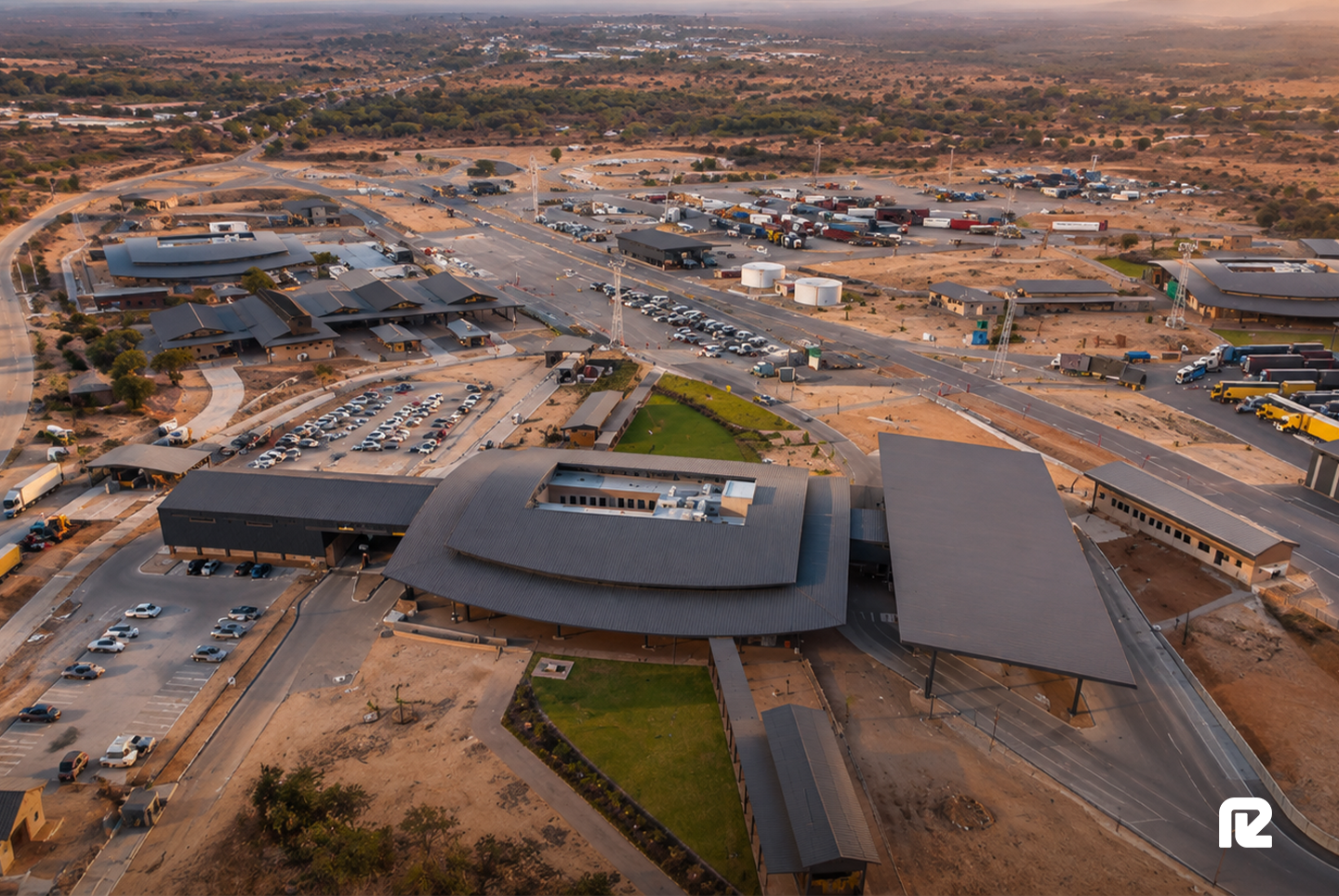
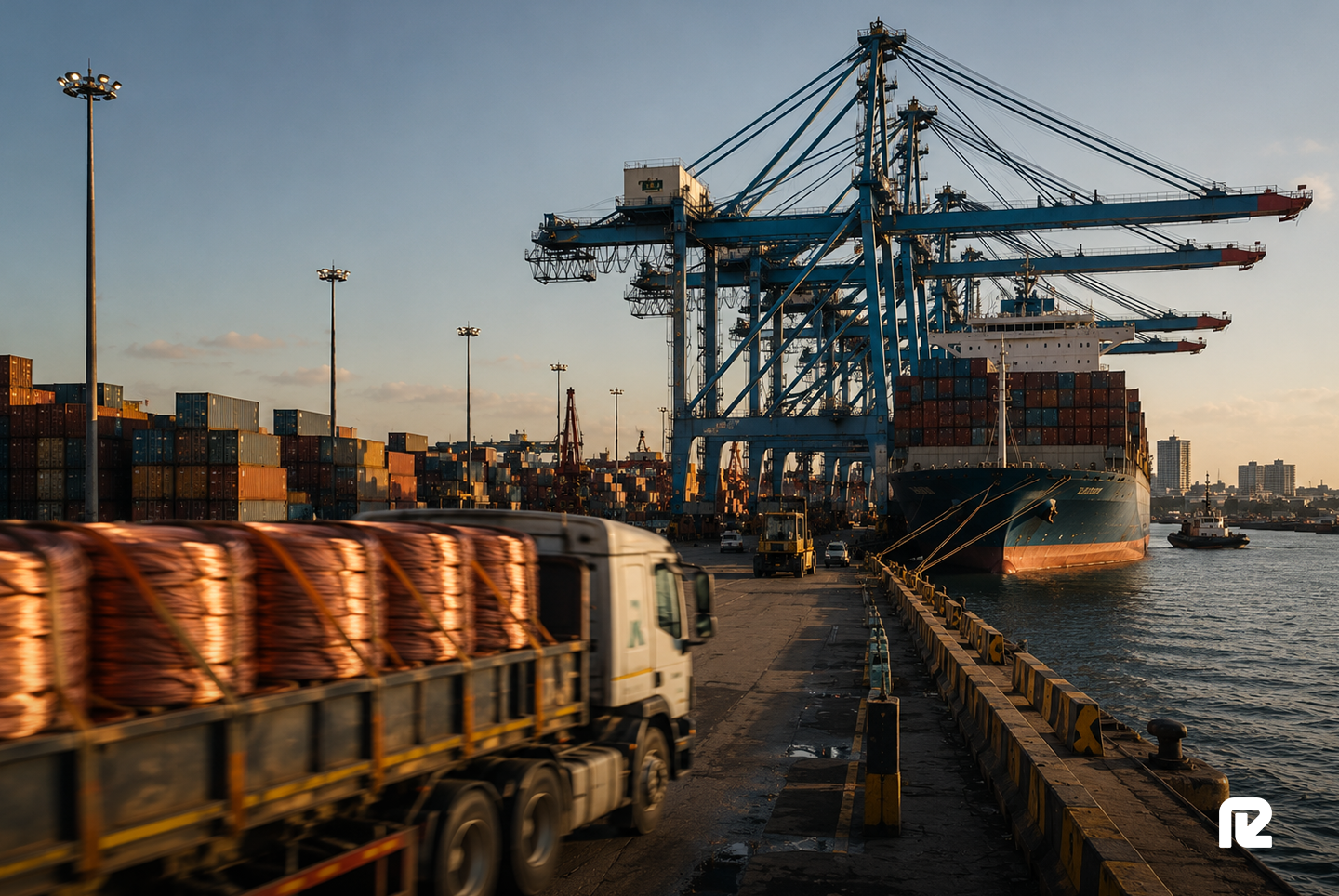
Beitbridge: Southern Africa's Busiest Border Post
September 1, 2026
Read the story
Please submit your details below and one of our logistics experts will reach out within one business day. Thank you.
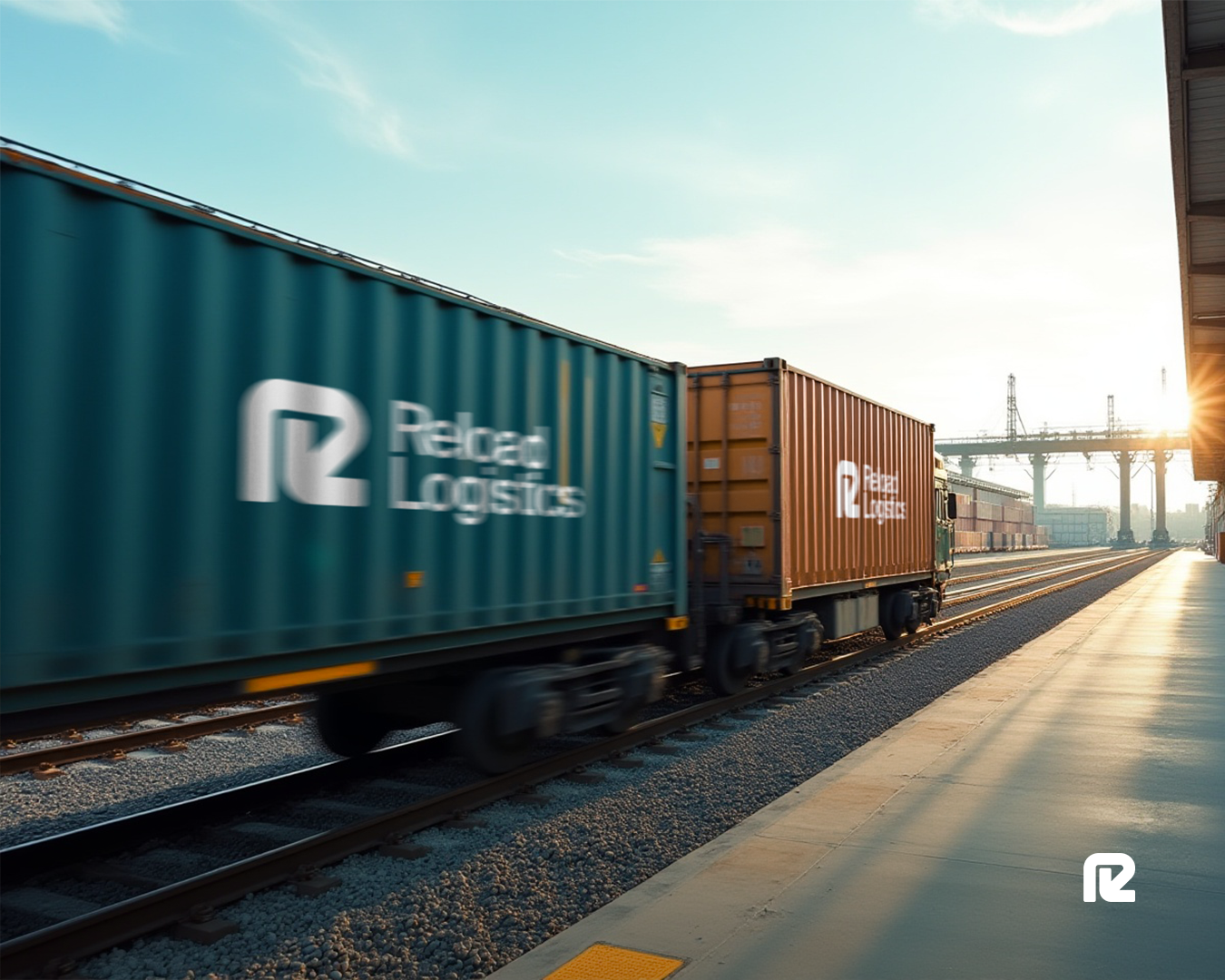

Against a backdrop of fast-moving markets and production cycles, and with growing customer expectations, expedited freight has become a critical tool for ensuring smooth operations and satisfied end users.
Expedited freight is a strategic approach prioritizing movement and reducing dwell time. When used correctly, it becomes one of the strongest levers for preventing disruptions, meeting strict deadlines, and keeping high-value supply chains on schedule.
This article explores how expedited freight works, when it should be used, the benefits it delivers, and how companies can integrate it into broader logistics strategies.
Expedited freight is a type of logistics service designed to move cargo faster and with fewer interruptions than standard shipping. Rather than following routine schedules, expedited shipments are prioritized at every stage including loading, dispatch, routing, and delivery, to ensure the fastest lead times.
With expedited freight cargo is handled, transferred, and stopped less, and monitored more closely. Expedited services are commonly used when:
• a delay would shut down production
• a missed vessel cut-off would create costly rollovers
• retailers or distributors have immovable delivery timelines
• high-value cargo requires secure, low-touch handling
• customers expect rapid replenishment
In all these cases, expedited freight becomes a continuity tool that prevents problems before they escalate.
Standard shipping focuses on cost efficiency and scheduled movement, whereas expedited shipping prioritizes speed and reduced handling.

Efficient expedited freight operations are all about maintaining momentum. The goal is to keep cargo moving “in flow,” with minimal interruptions, while managing disruptions in real time.
Instead of traditional multi-stop routes, expedited shipments follow a streamlined process:
1. Immediate booking and confirmation, often supported by 24/7 teams.
2. Rapid allocation of resources including dedicated vehicles, drivers, and handling staff.
3. Priority loading to reduce time spent at origin points.
4. Direct transport, with minimal or no intermediate stops.
5. Continuous movement, sometimes using driver swaps or night operations.
6. Real-time tracking and communication, often with heightened visibility.
The process focuses on flow discipline. Every minute saved at origin and along the route contributes to a shorter final delivery time.
Rather than simply taking the shortest path when optimizing routes, there are several elements that operators also must consider:
• congestion at borders or ports
• night-time vs daytime transit
• infrastructure reliability
• weather exposure
• security considerations
Just because a route appears to be the quickest or shortest on paper, doesn’t mean there won’t be additional delays to consider. For example, if there are long queues at a border post, rerouting to a longer, but faster-moving crossing may deliver quicker results in the long run.
Expedited freight relies on different transport modes depending on urgency, distance, and cargo type:
• Road transport is ideal for regional movements and rapid deployment
• Air freight is usually the fastest mode for long-distance urgency
• Dedicated express trucking for point-to-point shipments with no additional cargo
• Hot-shot vehicles are smaller, agile transport modes for immediate deliveries
In most cases, the mode is chosen not only based on time requirements but also on the cost-value relationship of avoiding a delay.
Expedited cargo receives priority within warehouses, yards, ports, and transport hubs. This includes:
• skipping standard queues
• receiving dedicated loading zones
• faster allocation of equipment
• accelerated documentation
• direct dispatch on arrival
This prioritization is essential for making expedited freight so effective, especially when working with tight vessel departure windows, or manufacturing cut-offs.
Expedited freight becomes an especially valuable option when timing, value, or operational risk make speed the most practical option. Expedited freight services act as a response when certain pressures arise in supply chains that either come up unexpectedly or can be planned for in advance.
Two of the most common scenarios involve:
Urgent orders typically arise when a business faces an unexpected requirement. Maybe a production line needs a replacement component, or a distributor needs a last-minute restock. These shipments often rely on immediate dispatch, 24/7 communication, and direct routing.
High-value cargo is another type of cargo that often benefits from expedited freight because there are much fewer touchpoints than with regular deliveries, reducing the risk, the utilization of real-time tracking of the cargo enhances security, and the fact that the cargo will travel within dedicated transport limits cargo contamination or mixing with other cargo types.
Some examples of high value cargo that commonly use expedited freight logistics include electronics, pharmaceuticals, mining equipment, and specialized machinery.
While urgent and high-value shipments are common triggers, expedited freight is ultimately a strategic decision. Expedited freight should be used when the cost of a delay is higher than the cost of the expedited service. This calculation is fundamental to the decision-making process. Typical scenarios include:
• Avoiding production downtime, where a single missing component can halt an entire manufacturing line.
• Meeting strict vessel or flight cut-offs, preventing rollovers, missed sailings, or extra storage fees.
• Protecting delivery commitments, especially where service-level agreements or customer contracts require guaranteed timing.
• Responding to disruptions such as border congestion, severe weather, or port delays often force companies to shift shipments into expedited mode to stabilize supply.
In these situations, expedited freight acts as a tool for stabilizing operations and protecting the wider supply chain.
Expedited freight offers a suite of operational and strategic advantages that reinforce supply chain reliability.
In a competitive market, speed is a differentiator. Companies that respond quickly to urgent needs build stronger customer relationships.
Expedited freight supports inventory resilience by ensuring that stock arrives precisely when needed. It is particularly valuable in:
• just-in-time manufacturing
• retail replenishment
• commodity distribution
• replacement part supply chains
By reducing the risk of stockouts, companies avoid lost revenue and production interruptions.
When businesses have access to reliable expedited freight, they can capture opportunities their competitors can’t and respond to last-minute orders, avoid long lead times, and provide flexible solutions during market volatility.
Expedited freight acts as a safety net that stabilizes operations when conditions change unexpectedly. It allows companies to absorb shocks without disrupting downstream commitments.
Although powerful, expedited freight presents unique challenges that require careful planning.
Expedited freight is more expensive due to:
• dedicated vehicles
• priority labor and equipment
• faster routing
• after-hours operations
Companies must analyze whether the cost of delay outweighs the cost of expediting.
Expedited logistics demands precise coordination. Any misstep like documentation errors, equipment shortages, or slow turnaround, can compromise delivery timelines. High levels of visibility and communication are essential.
When speed is prioritized, there must be strict protocols to ensure safety isn't sacrificed. This requires trained teams, secure routing, and controlled handling environments.
Expedited freight only delivers its full value when it’s supported by the right processes, decision-making, and operational structure. The following best practices help ensure expedited freight runs smoothly, consistently, and cost-effectively.
The organisations that manage expedited freight best are the ones that anticipate disruption. They build contingency buffers into their supply chains, understand their critical-path items, and identify which shipments could cause disproportionate impact if delayed.
Rather than relying on a single corridor or mode, high-performing logistics teams maintain multiple route options, understand seasonal and daily traffic patterns, and know which border posts, ports, or highways offer the fastest movement at a given time, reducing the risk that one bottleneck will disrupt an urgent shipment.
Real-time tracking, proactive updates, and immediate escalation procedures allow teams to respond quickly if something changes on the route.
The success of expedited freight depends less on the mode of transport and more on the capability of the logistics provider managing it. When timelines are tight and the consequences of delay are significant, businesses need a partner that can move quickly, make informed decisions under pressure, and maintain complete control of the shipment from origin to destination.
A strong freight partner should offer:
• Experience managing time-critical cargo
• Deep knowledge of regional corridors and fast-moving routes, understanding which border posts move most efficiently, which crossings become congested during peak hours, and which alternative route to use.
• 24/7 operational support as expedited shipments mostly move outside standard working hours and require constant coordination.
• Reliable communication and live tracking for all shipments, ensuring clients receive continuous updates.
This is where Reload Logistics brings particular strength. With on-the-ground teams across critical African corridors, Reload can mobilize quickly, reroute freight when conditions shift, and maintain visibility. Their understanding of regional transit behavior means anticipating delays before they occur and taking corrective action proactively.
Reach out to speak to a supply chain expert to discuss how Reload can support your logistics needs.
It’s a faster way of moving cargo when compared to standard freight using priority routing and reduced handling.
Yes, through dedicated transport, faster routes, and priority operations.
Yes, expedited services are specifically designed for shortened delivery times.
Production expediting, shipping expediting, and delivery expediting.
Timelines vary, but expedited shipments minimize stops and often run 24/7.
Higher costs and increased operational complexity if not managed well.