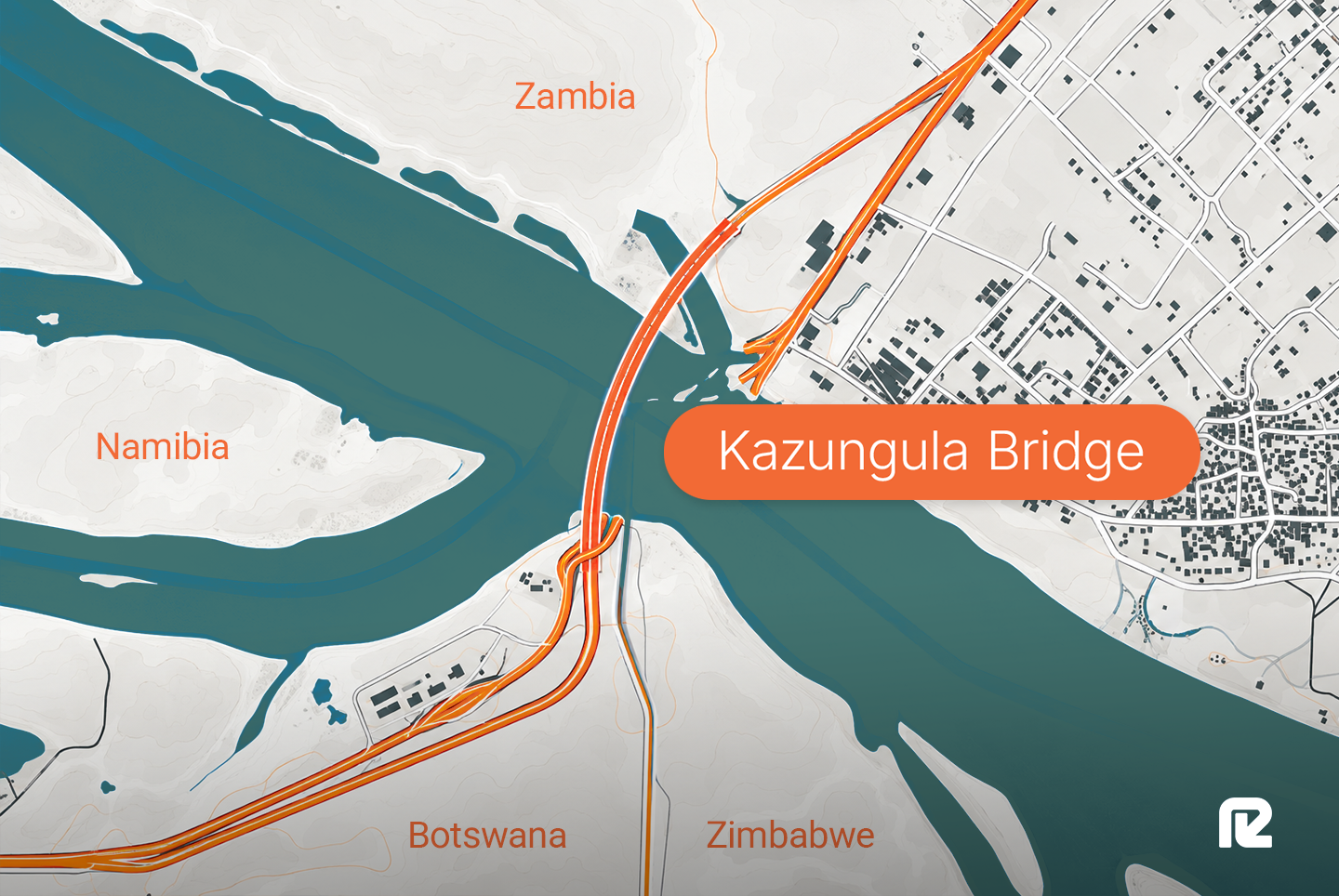
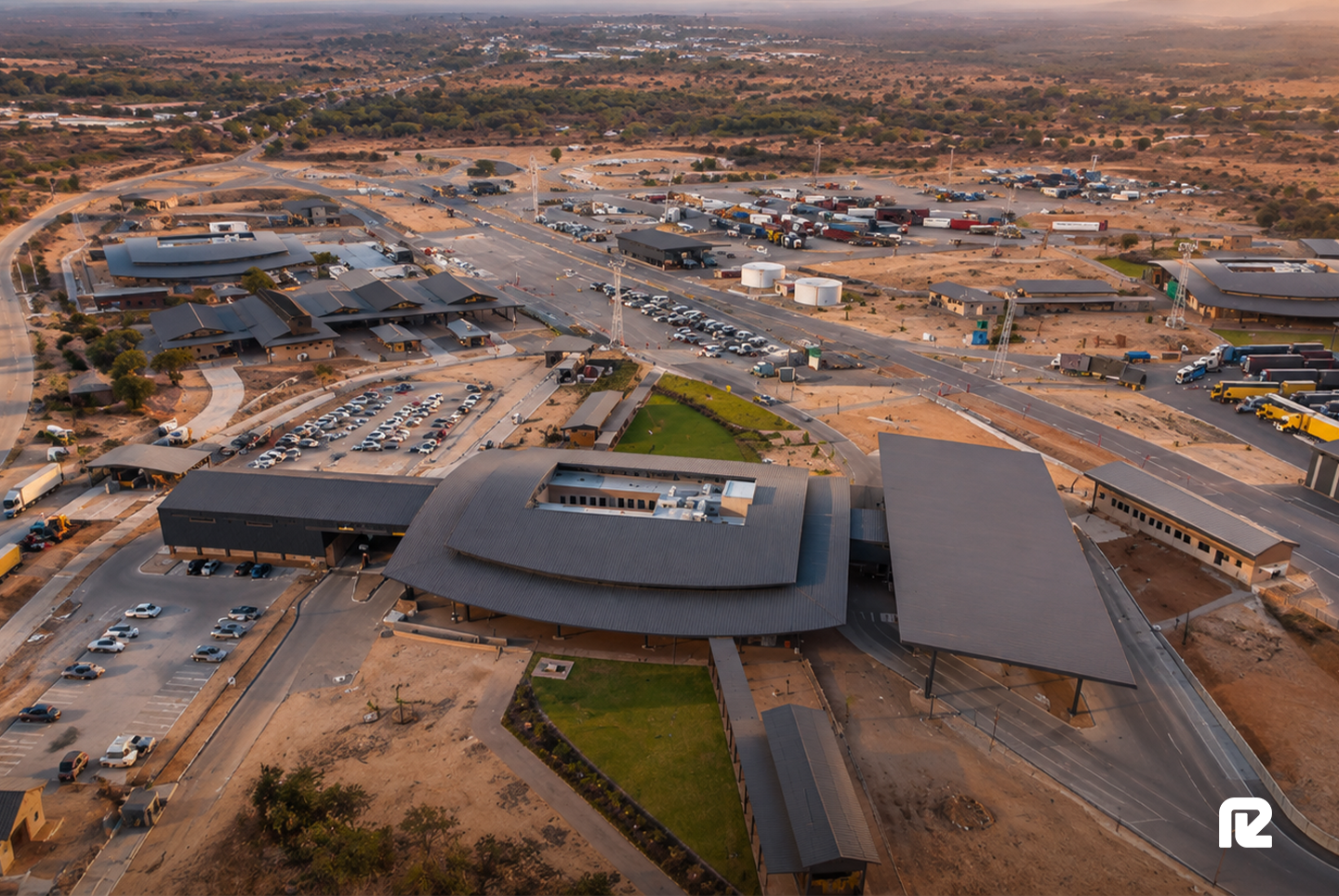
Kazungula Bridge: What It Means for Zambia-Bound Freight
September 15, 2026
Read the story
Please submit your details below and one of our logistics experts will reach out within one business day. Thank you.
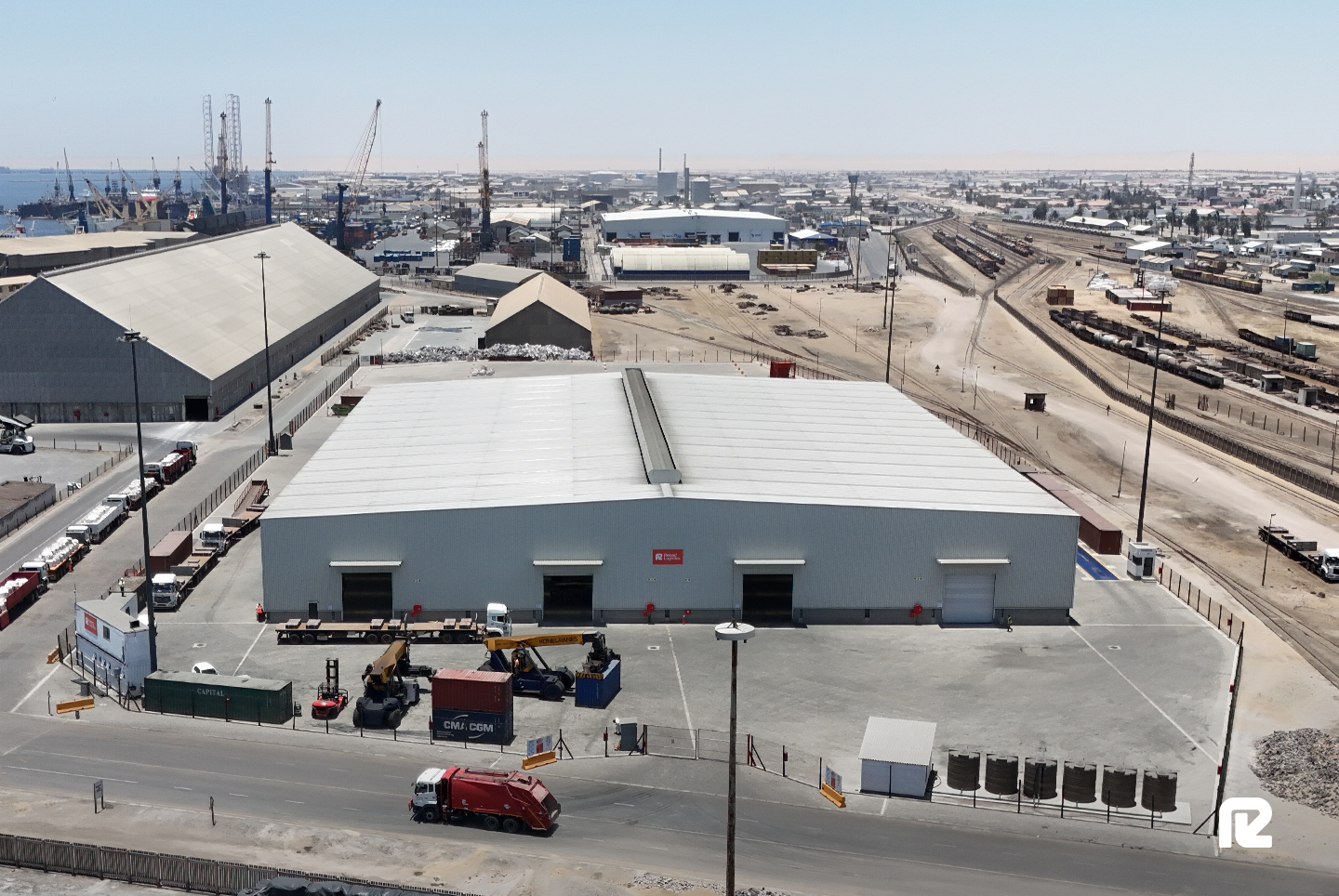

Walvis Bay has become one of Southern Africa's most strategically important logistics ports. Its deep-water harbor, efficient port operations, and growing role in the region's green energy transition set it apart from busier but more congested alternatives. Reload Logistics has now extended its footprint there with the launch of Reload Namport Terminal, a fully bonded facility located inside the port itself.
Reload has launched the Reload Namport Terminal, a fully bonded logistics facility located inside the Port of Walvis Bay. With a footprint of 28,100 sqm, the terminal adds significant bonded storage and cargo-handling capacity at a port that is increasingly central to trade flows between global shipping lanes and landlocked markets across Sub-Saharan Africa.
There is a difference between a bonded warehouse near a port and one inside it. Port-side positioning reduces the number of times cargo needs to be moved, simplifies the coordination between vessel discharge and onward transport, and keeps the logistics chain tighter at the point where it is most exposed to delay and complexity.
For cargo moving from Walvis Bay into Zambia, the DRC, Zimbabwe, or Botswana via the Trans-Kalahari and Trans-Caprivi corridors, those efficiencies have benefits across the full journey. Faster clearance and reduced handling complexity at the port lead to more predictable transit times inland. For businesses where working capital is tied up in goods in transit, that predictability has a direct financial value.
Walvis Bay's natural harbour depth of over 18 meters means it can accommodate larger vessels that cannot call at shallower ports, which is increasingly relevant as shipping lines deploy bigger vessels on African trade lanes.
The Reload Namport Terminal puts Reload's infrastructure at the point where those vessels discharge, with an unlimited bond that gives customers flexibility across imports, exports, and transit cargo.
The facility is designed for operationally demanding cargo flows, particularly in the metals, minerals, and dry bulk sectors, where handling efficiency, cargo security, and throughput matter most.
Key features include:
● Covered warehousing
● Open warehousing and bonded yard space
● Weighing capabilities
● Specialized cargo handling equipment
● Infrastructure suited to bulk and break-bulk cargo
The unlimited bond structure gives customers greater flexibility in managing cargo across different trade requirements, whether that is imports awaiting clearance, exports staged for vessel loading, or transit cargo moving through Namibia into regional markets.
The terminal's value is its status as part of a wider network of road, rail, warehousing, and corridor transport capabilities across Sub-Saharan Africa. Connecting port infrastructure directly to inland distribution routes is what turns a storage facility into a genuine supply chain asset; it’s more than just additional square footage.
Walvis Bay serves as the Atlantic anchor of the Trans-Kalahari and Trans-Caprivi corridors, offering landlocked markets an alternative to the longer routes through Indian Ocean ports.
For DRC and Zambian mining exporters looking to diversify their routing away from the heavily used southern and eastern corridors, the port's western positioning is a practical advantage. The Reload Namport Terminal strengthens Reload's ability to support those movements from end to end.
Walvis Bay is also a port in active development. Walvis Bay is not standing still. A green hydrogen plant began operations at the port in December 2025, and Namport has made a formal commitment to green port status. These developments reflect a port that is building for what comes next, and the Reload Namport Terminal is part of that same investment forward.
For businesses moving cargo through Walvis Bay, the terminal offers a combination of bonded infrastructure, port access, and multimodal reach that reduces complexity at one of the supply chain's most critical points.
For businesses looking for a bonded warehouse in Namibia with genuine connectivity into Southern African corridors, it offers something more specific: the ability to manage cargo from vessel discharge through to inland delivery within a single, integrated logistics framework.
As supply chain reliability becomes a more visible factor in procurement decisions, the ability to offer that level of control and visibility at a strategically positioned port is a commercial advantage that is difficult to replicate from outside the port fence.
To discuss how the Reload Namport Terminal can support your supply chain, contact the Reload Logistics team at reloadlogistics.com.