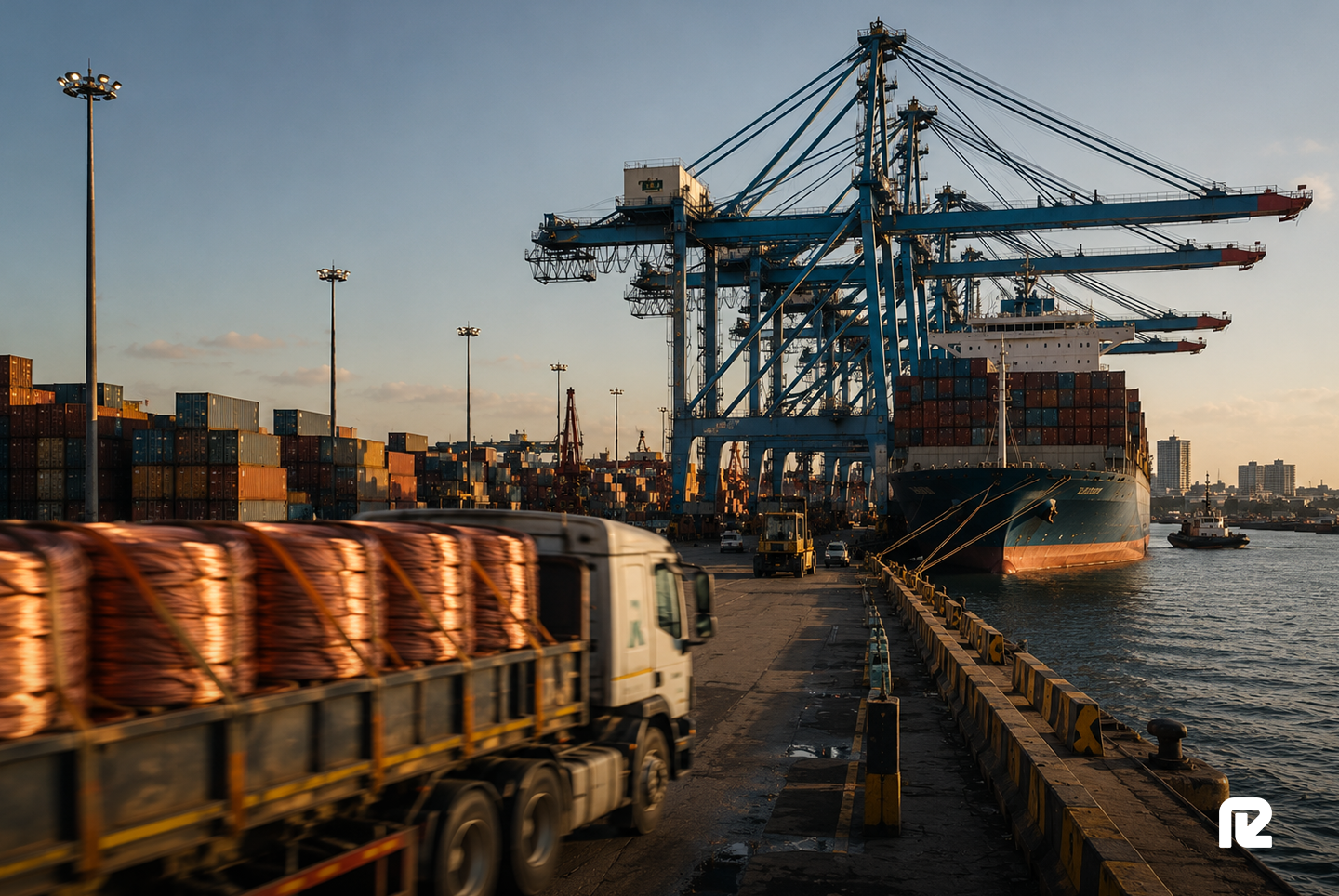
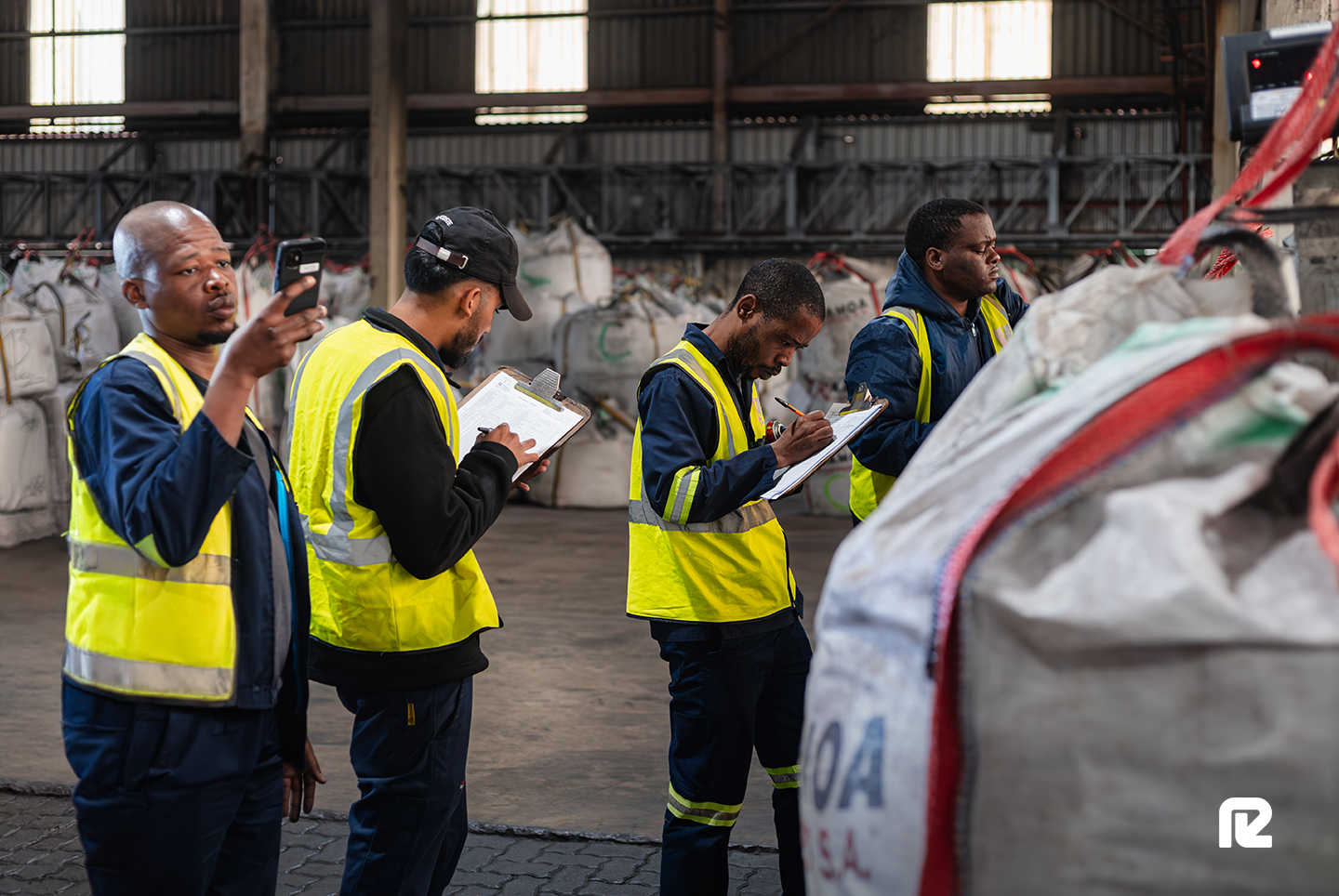
Dar es Salaam Port Delays: What They Mean for Cargo Moving to Zambia and the DRC
August 28, 2026
Read the story
Please submit your details below and one of our logistics experts will reach out within one business day. Thank you.
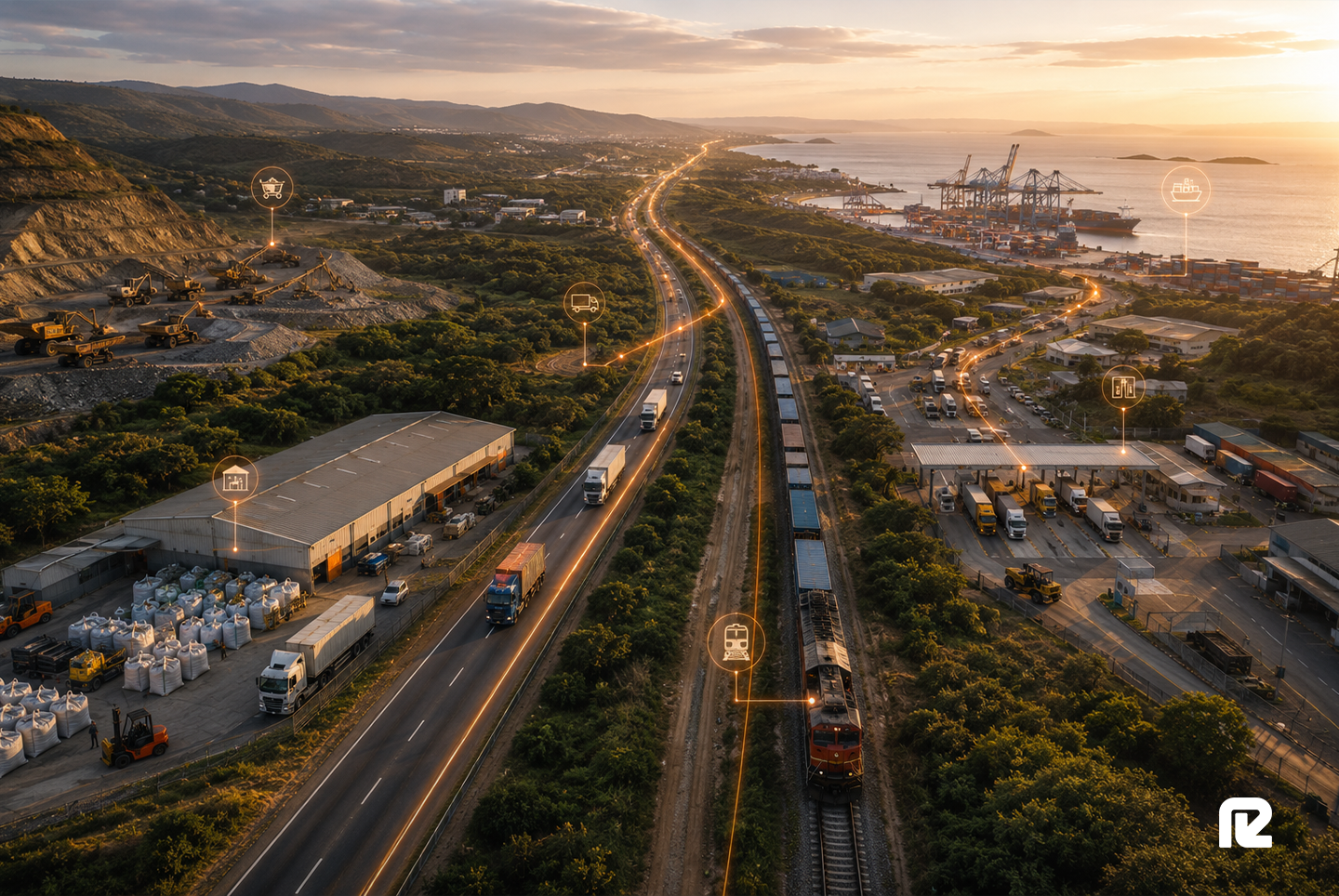

Southern Africa's trade runs along a handful of corridors, and two of them carry a large share of the region's cargo: the North-South Corridor and the Maputo Corridor. Both are seeing heavy investment right now in road, rail, ports, and border posts, and that work is changing how quickly and cheaply cargo moves between the interior and the coast.
This article looks at what corridor development means in practice, where each of these two corridors stands, and what the current round of upgrades changes for the businesses that ship along them. For a wider view of the region's corridor network, see our overview of Southern Africa's trade corridors.
A trade corridor is a defined route that links production and markets in the interior to a port, using road, rail, and the border posts and terminals along the way.
Corridor development is the work of upgrading those parts so cargo moves faster, at lower cost, and with fewer stoppages. It covers new and rehabilitated roads, rail rehabilitation, port expansion, and better border processing, usually paid for through a mix of government, development finance, and private concessions.
A corridor is only as good as its weakest link. A fast highway loses its value if the border post at the end of it takes two days to clear a truck. A deep port cannot help an exporter if the rail line feeding it is too run-down to carry the volume.
Corridor development tries to lift all four parts together: the road for flexibility, the rail for bulk volume, the port for capacity and vessel size, and the border for the speed of crossing. Progress on one part shifts the bottleneck to the next, which is why these programs run for years.
Much of the cargo on these corridors starts or ends in a landlocked country. Zambia, Zimbabwe, the DRC, Malawi, and Eswatini all depend on a neighbor's port to reach world markets. For a copper producer in the Copperbelt, the cost and time of reaching the coast is set almost entirely by the corridor it uses. When that corridor improves, the producer's landed cost falls, and its goods compete better abroad. Corridor development is, in effect, trade policy built in concrete and steel.
The North-South Corridor runs from the Copperbelt in the DRC and Zambia, down through Zimbabwe, and into South Africa, ending at the port of Durban. It is the busiest road freight corridor in the region.
Copper and cobalt move south for export, and fuel, machinery, and consumer goods move north to the interior. The route crosses several borders, with the Chirundu crossing between Zambia and Zimbabwe and the Beitbridge crossing between Zimbabwe and South Africa as the main pinch points.
Two problems shape the work on this corridor: the borders and the railway. Beitbridge has long been one of the most congested crossings in Africa, where trucks can wait hours or days, and upgrading the post and its processing has been a priority for both governments. The railway is the larger structural issue.
Most cargo on the corridor moves by road because the rail line is old and unreliable, and taking bulk volume off the highways depends on rehabilitating it. In South Africa, the freight operator has begun opening its mainline rail network to private train operating companies, several of which are expected to begin operations over the course of the year, a change that could bring fresh capacity and investment to the corridor's southern leg.
For a shipper, the corridor's condition shows up directly in transit time and cost. Border delays add days that turn into demurrage, detention, and missed slots, and the road-heavy freight mix keeps per-unit costs higher than rail would. As border processing improves and rail capacity returns, the expectation is shorter, more predictable transit and a lower cost per ton over time.
Progress is uneven, and security on parts of the rail network, including cable theft and vandalism, remains a live problem, so the gains arrive section by section rather than all at once.
The Maputo Corridor connects Gauteng, South Africa's industrial heartland, to the port of Maputo on the Mozambican coast, crossing at the Lebombo and Ressano Garcia border.
It is the shortest route to the sea for much of South Africa's northern interior, which makes it attractive for bulk minerals such as coal and chrome, with agriculture, including citrus and maize, a growing part of the trade. Almost all of the port's throughput is transit cargo to or from South Africa.
This corridor is the most developed in the region, and the current work is deepening that lead across all three parts. The N4 toll road between Pretoria and Maputo is maintained and upgraded under a long-running private concession, with rehabilitation, widening, and interchange projects ongoing along the route.
The Ressano Garcia rail line is being double-tracked in phases, backed by European development funding, to raise the volume it can carry and ease reliance on the road. At the coast, the port of Maputo is expanding its container terminal and deepening its draft to take larger vessels, with a new inland terminal on the South African side set to feed cargo to the port by rail.
For shippers in the northern interior, this investment is making Maputo a stronger alternative to Durban and Richards Bay, which carry heavy congestion. A deeper port that can handle larger ships tends to attract more shipping lines and more competitive rates, and more rail capacity lets bulk exporters shift tonnage off the road.
The open risk is reliability. Most cargo still moves by road while the rail catches up, and the corridor has seen disruption from border closures and from flooding that suspended a key rail line for months. Route choice here is a live calculation, weighed crossing by crossing.
The two corridors serve different cargo and geography, so the choice is usually settled by where the cargo starts and what it is.
● Origin and destination. Cargo from the Copperbelt and the DRC has a natural path down the North-South Corridor to Durban. Cargo from Gauteng and Mpumalanga often reaches the sea faster through Maputo.
● Cargo type. Bulk minerals suit whichever corridor has the rail and port capacity to handle them cheaply, which increasingly favors Maputo for South African bulk. Containerized and time-sensitive freight leans on the corridor with the more reliable border and the better port connection for its destination.
● Congestion and cost. When Durban and Richards Bay clog up, Maputo's spare capacity pulls cargo across. When Beitbridge flows well, the North-South Corridor holds its traffic. The balance shifts through the year, which is why shippers watch both.
For many businesses, the real answer is flexibility, the ability to use either corridor as conditions change, which depends on having transport and clearing set up on both.
Corridor development happens in stages, not all at once. A border post starts clearing trucks faster. A rail line carries more volume once a section of track is rebuilt. A port takes larger ships after its channel is deepened. Each change lands on its own timeline, so the corridor that works best for your cargo this year may not be the one that worked best last year. Plan for that and review the route regularly.
A few things follow from that:
● The bottleneck matters more than the headline. A new highway does little if the border at the end of it is still congested. Border performance and port congestion have a major impact on transit time.
● Keep more than one route open. A business tied to a single corridor is exposed when that corridor stalls. Access to a second route, through owned or partnered transport, turns a disruption into an inconvenience.
● Price the risk into the route. The shortest corridor can cost more once flooding, a border closure, or cargo theft is counted. Reliability belongs in the routing decision alongside time and cost.
The corridors carrying Southern Africa's trade are being rebuilt piece by piece, and the balance between them keeps moving as the work lands. The businesses that follow that change closely, and hold the flexibility to act on it, are the ones that turn corridor development into lower cost and steadier delivery.