Dar es Salaam Port Delays: What They Mean for Cargo Moving to Zambia and the DRC
August 28, 2026
Read the story
Please submit your details below and one of our logistics experts will reach out within one business day. Thank you.

For years, moving cargo across Africa meant hiring a different company for each leg. A freight forwarder booked the ocean carrier; a clearing agent handled customs, and a transporter took over at the port gate, while a warehouse operator held the goods somewhere in the middle. Every handover was a point where something could go wrong, and the company that owned the cargo carried the loss when it did.
Integrated logistics is the move away from that arrangement. One provider takes responsibility for the whole journey, coordinates each stage under a single system, and answers for the result. The model has been growing across African trade for practical reasons. This article explains what it covers, why demand is rising, and how it lowers cost and risk on long cross-border routes.
Integrated logistics is a model where a single provider plans and runs the full supply chain, coordinating clearance, warehousing, transport, and delivery as a connected operation. The provider is responsible for the schedule, cargo tracking across every stage, and carries accountability from beginning to end.
A traditional freight forwarder arranges transport and documentation, then hands the cargo on. Its responsibility ends where the next contractor's begins. An integrated provider keeps hold of the cargo past those boundaries. It clears the goods, stores them if needed, arranges the inland leg, and confirms delivery, so there is no gap where nobody owns the shipment. A forwarder books a service and steps back; an integrated provider stays with the cargo and runs the chain.
Under a single-provider model, one team plans the route, one system records where the cargo is, and one contact answers for problems. When a vessel arrives late, the same provider that booked it adjusts the customs slot, reschedules the truck, and tells the warehouse to expect the cargo later. The customer makes one call instead of chasing four contractors who each blame the others. That single line of accountability is the core of what integrated logistics sells.
Supply chains have taken a run of shocks in recent years: port congestion, container shortages, closed borders, sudden route changes. Each disruption is harder to manage when four companies handle four legs, and none of them sees the whole picture. Businesses have watched delays multiply at the handover points and started looking for a provider who can absorb the shock in one place.
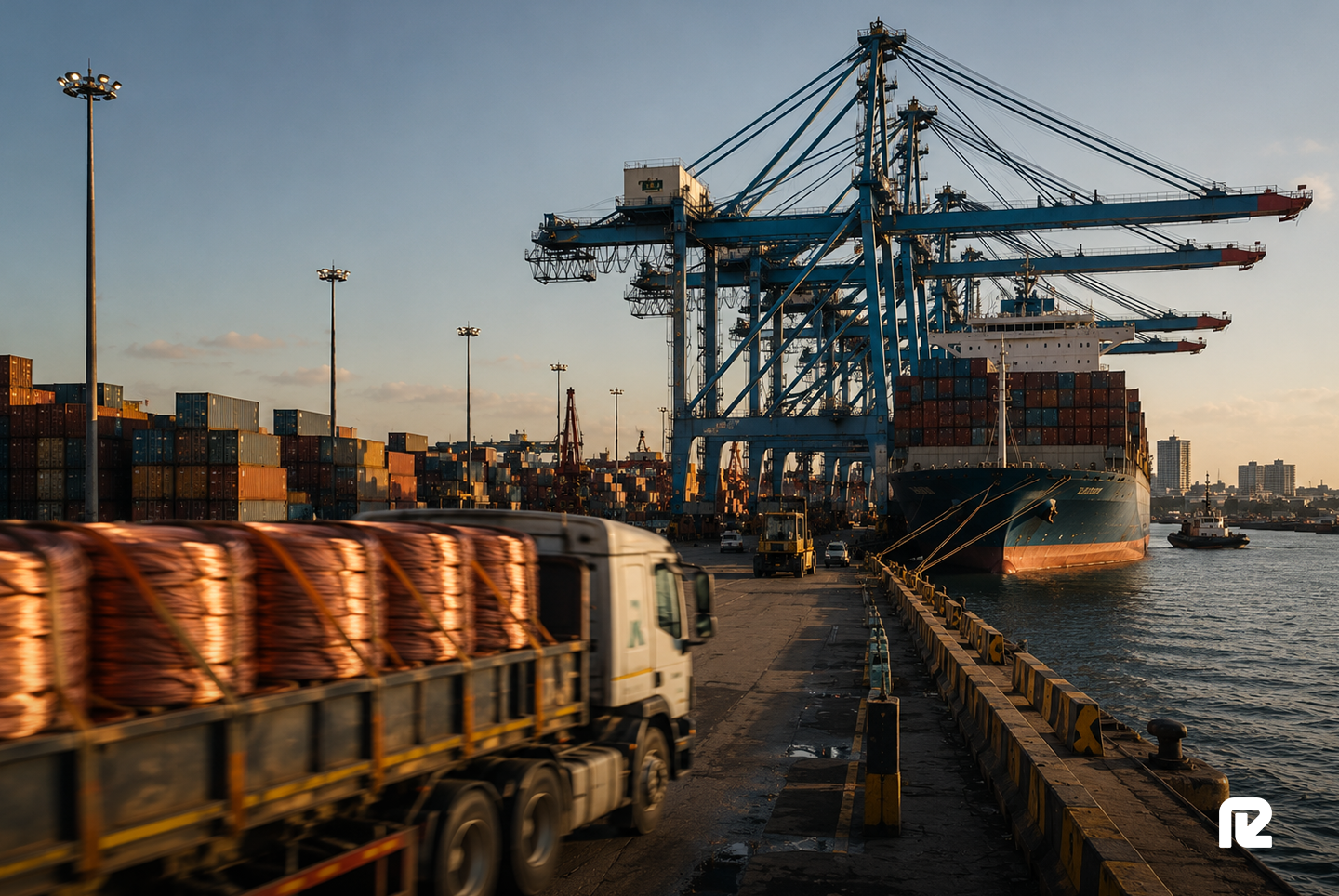
A company shipping copper from the DRC to a port wants to know where that cargo is on any given day, not just which contractor holds it this week. Cargo tracking across the full route only works when one system follows the shipment the whole way. A fragmented chain breaks that view every time the cargo changes hands, which is why visibility has become a reason to consolidate providers.
Every handover in a fragmented chain adds potential costs, a waiting period, and a chance of error. Demurrage costs can build while a clearing agent waits on paperwork the transporter needs. Detention runs while a truck sits for a warehouse slot nobody booked. Pulling those stages under one operator closes the seams where cost leaks out, which matters most on the long routes where margins are already thin.
The chain starts with booking the international leg and moving the cargo through customs. In an integrated model, these two sit together, so the team booking the vessel already knows the clearance requirements at the destination and has the paperwork ready when the ship arrives. That removes the common delay where cargo lands but sits at the port because the clearing agent was briefed too late.
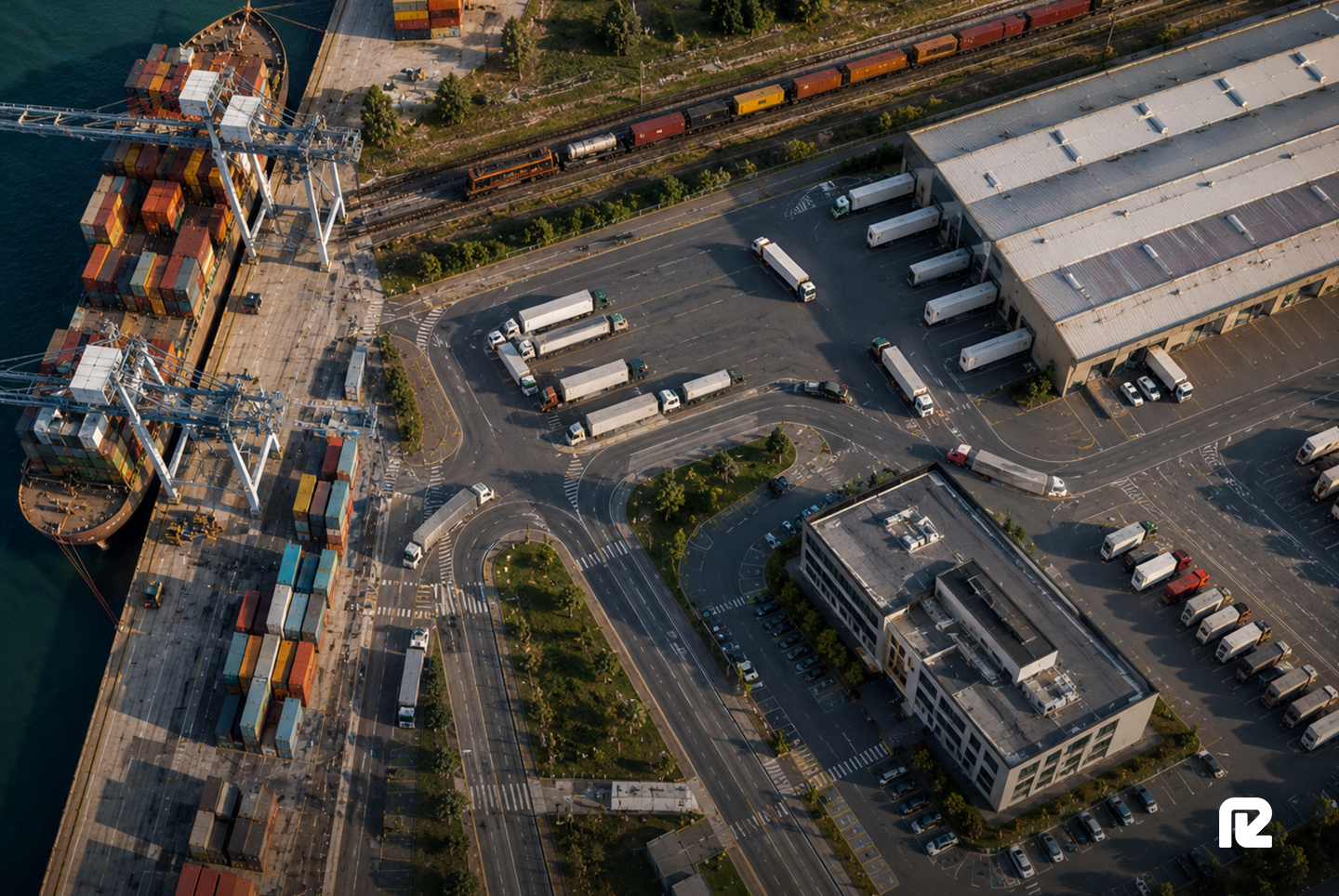
Between arrival and final delivery, cargo often needs storage, and it always needs inland movement. Warehousing and transport run better when the same operator schedules both, because the truck and the warehouse slot are booked against one timeline. A bonded facility near the port lets the provider hold cargo under customs control and release it in step with the onward leg, so nothing waits longer than it has to.
A shared system ties the stages together. It records each movement and gives the customer one current view of the cargo instead of four separate updates from four contractors. Behind that system sits the part customers tend to value most: one responsible contact who owns the shipment the whole way. When that accountability is real, the provider cannot pass a delay down the line, because there is no next contractor to pass it to.
Most cargo problems happen where one company's job ends and another's starts. A container may clear customs, but a transporter is given the wrong collection day, or perhaps a truck reaches a warehouse, but no slot was held. Each handover removed is one less place for that kind of failure, and an integrated chain runs into fewer of them.
Demurrage and detention charges come from cargo sitting where it should be moving: a box left at the port past its free days, a truck held while paperwork catches up. When one provider controls clearance, storage, and transport, it can line those stages up so the cargo keeps moving and the charges never start. On busy corridors, these fees are a high cost, and most of it is avoidable.
Cargo that moves without waiting at each handover reaches its destination sooner, and faster transit does more than save time. Goods in transit are working capital that has not yet been turned back into cash. A week cut from a trip is a week where capital is freed to be used again. For a business running many shipments a month, taking a few days off the average journey shifts the cash position across the whole year.
Africa's main trade corridors are where the integrated model earns its keep, because these are the routes with the most handovers to remove.
● North-South Corridor: copper and cobalt from the Copperbelt in Zambia and the DRC down to the port of Durban, across several borders.
● Beira and Nacala Corridors: landlocked Zambia, Malawi, and Zimbabwe connected to ports on the Mozambican coast.
● Lobito Corridor: the DRC and Zambia west to the Angolan coast, where recent rail investment is changing how cargo moves.
Each of these routes passes through several customs jurisdictions, and every border is a place where a fragmented chain stalls. A provider running the full corridor lines the clearance at each crossing up against the transport schedule, so cargo is not stuck on paperwork at one border while a booked truck idles at the next. That coordination is worth far more on a four-country route than on a single domestic move, which is a large part of why corridor trade has pushed the integrated model forward.
The real test of an integrated provider is whether the integration exists in practice or only on the website. A company can list forwarding, warehousing, and transport as separate departments that barely speak to each other, which leaves the customer with the same fragmentation under one logo. Ask how the stages actually connect. The signs of a chain that is properly joined up:
● One system tracks the cargo across every leg, so the view never breaks at a handover.
● One contact is accountable for the result and has no next contractor to pass a delay to.
● One schedule governs every stage, so the truck, the warehouse slot, and the vessel sit on the same timeline.
Reach counts as much as integration. A provider needs facilities and transport along the corridors the cargo travels, not only at its two ends, so it can manage the middle of the journey where most delay collects.
A track record on the specific route, whether that is mining cargo on the North-South Corridor or project cargo heading into an energy site, tells you more than a general capability statement. Ask who has moved cargo like yours, on your route, and what they did when something went wrong.
Integrated logistics has become more and more important because fragmented supply chains cost more and break more often than the businesses relying on them can afford. A single provider coordinating the whole route, working from one system and one schedule, turns a set of separate contracts into one managed journey. On Africa's long cross-border routes, that shift is where much of the cost and risk is now being taken out.