Dar es Salaam Port Delays: What They Mean for Cargo Moving to Zambia and the DRC
August 28, 2026
Read the story
Please submit your details below and one of our logistics experts will reach out within one business day. Thank you.
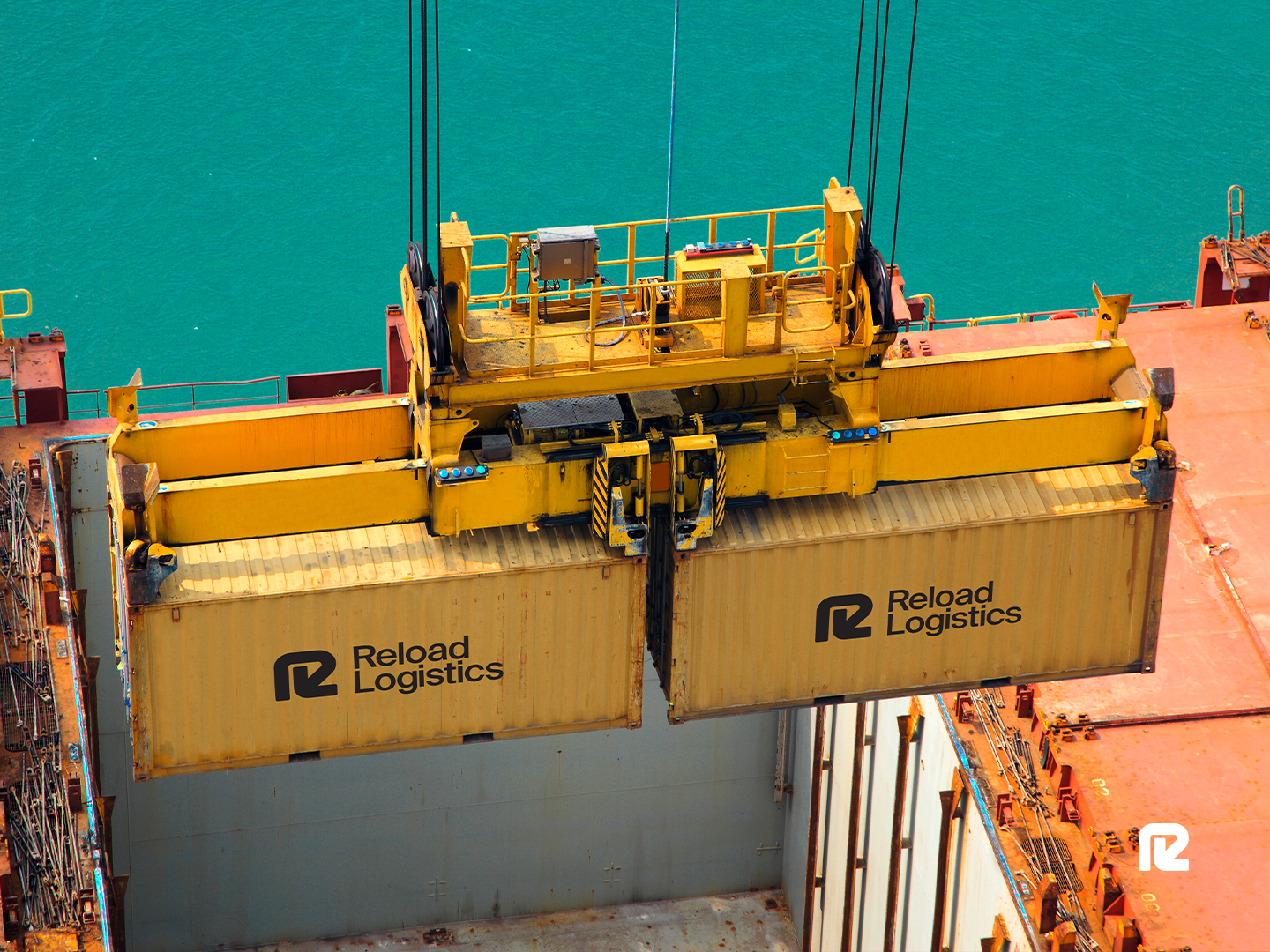

The Port of Loading and the Port of Discharge represent the start and end points of the ocean shipping journey. However, despite being common terminology in shipping documents, commercial invoices, and Incoterm agreements, many importers and exporters are unclear about what these terms really mean.
Supply chains rely heavily on ocean freight corridors with decisions made at the port of loading having an effect on costs, lead times, cargo handling requirements, and customs. Similarly, everything that happens at the port of discharge can have an effect on storage charges and last-mile transport.
This article breaks down the meaning of both ports clearly, what happens at each port, and takes a look at how they can influence decision making and timings across the entire supply chain.
The port of loading (POL) is where cargo is physically loaded onto a vessel. It’s at this point that responsibility for the cargo may shift from one party to another, depending on the agreed Incoterms.
Beyond the physical act of loading, the port of loading also acts as a crucial operational checkpoint that includes the following:
• Cargo receipt and verification
• Customs export processes
• Container handling
• Cut-off times for vessel departure
• Issuing of the Bill of Lading
Using specific ports of loading will have a direct impact on lead times and the overall cost throughout the supply chain as port efficiency, vessel frequency, and carrier availability can all change the final delivered price of goods.
In regions like Southern Africa, where inland transport often makes up a significant portion of the total logistics cost, selecting an optimal POL is very much a strategic decision rather than an afterthought.
The port of discharge (POD), also referred to the port of destination, port of unlading, or the discharging port, is where containers are removed from a vessel once it reaches its destination. This is typically where the ocean leg of the journey ends, and cargo transitions to regional transportation by road or train and logistics channels.
Activities that take place at the port of discharge include:
• Container stripping for onward movement
• Customs import clearance
• Terminal handling processes
• Local port storage and charges
Cargo then needs to be deconsolidated if necessary, cleared, collected, and handed over for onward transportation. If cargo is left at the port of discharge for longer than the allocated time, there may be costly demurrage or storage fees applied.
Selecting a port of discharge shouldn’t just be related to proximity to the final destination, but also because of the efficiency and reliability of the port operations.
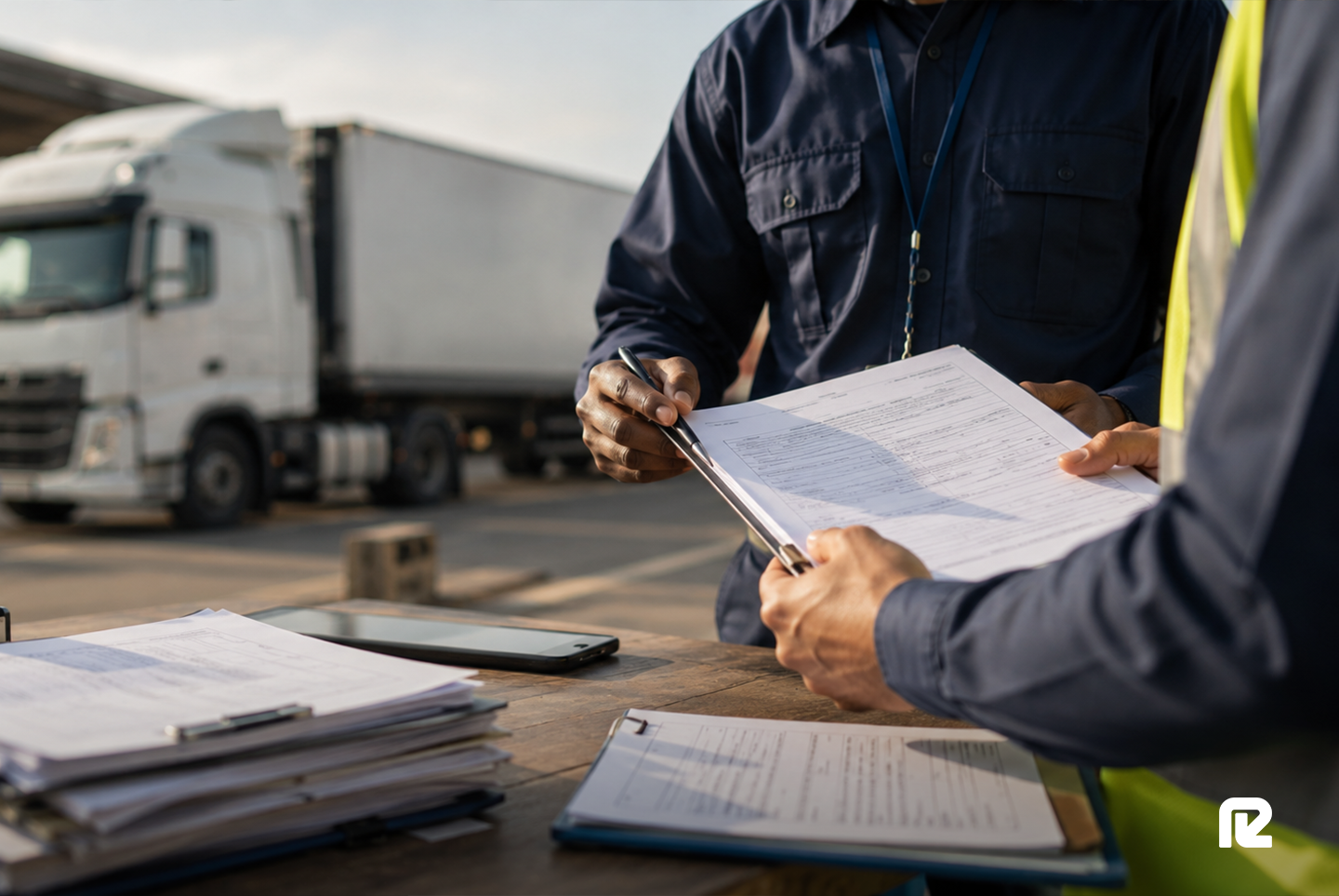
Common documentation requirements include the bill of lading, commercial invoice, packing list, import permits, and customs declarations. The accuracy of documents submitted at the port of discharge directly affects the speed of clearance; delays often stem from paperwork discrepancies rather than physical port constraints, so they need to be properly filled out.
Ports are complex areas of logistics ecosystems and integrate shipping lines, terminal operators, customs authorities, freight forwarders, and inland transport providers. In the container shipping process, ports perform several strategic roles, including:
• Cargo consolidation for international departures
• Customs processing
• Container handling, including stacking, scanning, and security
• Coordination with carriers
In regions such as Southern Africa, where inland infrastructure varies dramatically, ports also act as the central hubs linking global supply chains to domestic distribution networks.
Incoterms define who is responsible for costs, risks, and formalities at each stage of the shipping journey, which includes the port of loading and the port of discharge. Because incoterms influence so much throughout the shipping process, choosing the right incoterm can significantly impact landed costs. A few of the most common Incoterms are below:
Free on board is one of the most commonly used terms, making the seller responsible for getting the cargo to the port of loading, completing export customs, and loading the container onto the vessel. Risk then transfers to the buyer once the cargo has been loaded onto the vessel.
Within these terms the seller covers the cost responsibility of ocean freight and insurance up to the port of discharge, with the risk responsibility transferring to the buyer once the goods are loaded at the port of loading. CIF is often used when the buyer lacks access to competitive shipping rates.
Cost, insurance, and freight can be a fairly complex incoterm, to read up more about it, visit our dedicated article.
When the buyer would like more control over inland and ocean freight, but would prefer that the seller manages export formalities, FCA is commonly used. This is when the seller hands over goods at an agreed upon location; this can sometimes be before the cargo reaches the port of loading.
Under DAP, the seller delivers goods to a named location in the importing country—often beyond the port of discharge.
Under DDP, the seller covers everything including duties and taxes. In both cases, the port of discharge is no longer the risk-transfer or cost-transfer point.
Ex works is the opposite of DDP where the buyer manages everything from factory pickup, all the way to the port of loading and port of discharge, making them responsible for all port processes on the cargo journey.
Port-to-Port shipping is a transport model where the carrier is only responsible for moving a container from the port of loading to the port of discharge. Before this, the shipper handles everything up to the port of loading, and the consignee is responsible for managing everything after the port of discharge.
There are a few reasons this model might be chosen:
• Cost control: Shippers can negotiate their own trucking rates rather than relying on inland transport that’s been arranged by the carrier.
• Flexibility: Businesses with established relationships with local haulers often prefer managing inland legs themselves.
• Customs control: Importers handling their own clearance procedures may find port-to-port arrangements simpler.
Port-to-port shipping requires strict coordination as missed cut-offs at the port of loading, or delayed container collection at the port of discharge can result in expensive penalties. This transport model is most effective when the shipper or importer has a strong logistics partner overseeing both ends of the chain.
Choosing the right port of loading and port of discharge has a financial effect on the total cost of the logistics journey. These ports influence freight rates, terminal fees, customs costs, and even affect demurrage risk.
At the port of loading, exporters face costs such as:
• Export documentation fees
• Terminal handling charges
• Security fees
• Potential congestion surcharges
At the port of discharge, importers typically incur:
• Terminal handling charges
• Port storage after free days
• Customs inspection fees
• Container cleaning or repair charges
On top of this, when ports experience congestion, or when a container is not collected within the agreed timeframe, demurrage and detention fees can occur and escalate quickly.
When shippers are partnered with a well-chosen port of loading and port of discharge, it can translate to large savings for every shipment, as well as reduce delays and improve the reliability of the supply chain.
Ports operate under strict safety frameworks because container handling involves heavy machinery, hazardous goods, and the continuous movement of people and equipment.
At the port of loading, safety protocols include:
• Container weight verification
• Inspection for structural damage
• Segregation of hazardous cargo and ensuring compliance with the International Maritime Dangerous Goods
• Proper lashing and securing of containers
At the port of discharge, safety measures ensure that:
• Containers are lifted and placed in yards safely
• Hazardous goods are handled correctly
• Security procedures detect tampering
• Trucks collecting cargo follow controlled access routes
Workforce safety is equally critical. Having a well-trained team of crane operators and stevedores reduces the likelihood of accidents that can disrupt entire terminal operations.
Throughout this article, we have discussed how important choosing the right port is to the efficiency of the entire supply chain. While the strategic placement of both the port of loading and the port of discharge is a major factor, there are some other considerations that should be included in the decision-making process:
• Vessel frequencies and carrier availability: Some ports offer more direct sailings than others.
• Customs efficiency: Lengthy clearance processes can add days or weeks to transit times.
• Inland connectivity: Road quality, rail access, and border crossing times.
• Port fees and tariffs: Charges vary widely across ports, affecting landed cost.
• Risk of congestion: Seasonal or chronic congestion patterns influence supply chain predictability.
• Specialization: Certain ports handle specific cargo types better, such as project cargo, reefers, or dangerous goods.
Throughout Southern Africa, factors like border procedures, trucking capacity, and the availability of bonded warehousing often shape this choice more than vessel routing alone.
Understanding the roles of the Port of Loading and Port of Discharge is essential for cost control, planning, and supply chain efficiency.
Reload Logistics provides end-to-end support across major Southern African ports, combining local expertise, cross-border capabilities, and strong relationships with carriers and port authorities.
Speak to our team for tailored guidance on port selection and integrated logistics solutions across the continent.
The port of loading is where cargo is loaded onto the vessel and the port of discharge is where it is unloaded and prepared for onward transport to the final destination.
Sea ports, dry ports (inland terminals), and river/lake ports.
Typically yes, these terms are used interchangeably.
This information will be listed on the Bill of Lading and shipping documents. It can also be confirmed through carrier tracking systems.
Yes, although this requires carrier approval and can incur additional fees. Changing the port of discharge can affect the Bill of Lading, routing, tariffs, and delivery timelines.